




المعلومات القانونية

What Should a Corporation Know about Economic Sanctions Compliance?
Economic sanctions are government-imposed restrictions on trade, financial transactions, and business dealings with specified countries, entities, and individuals, and corporate compliance failures carry severe civil and criminal penalties. The Office of Foreign Assets Control (OFAC), a Treasury Department bureau, administers most U.S. .anctions programs. Corporations face liability for transactions with sanctioned parties even if the violation occurs inadvertently or through intermediaries. Understanding the legal framework, enforcement mechanisms, and internal control expectations is essential for managing operational and reputational risk in a complex, evolving sanctions landscape.
اقرأ المزيد

Telegram Scam
The rise of the Telegram Scam in Washington D.C. .as shown how digital anonymity can turn a secure messenger into a hotspot for financial fraud. From impersonation schemes to illicit investment groups, this article examines how these specific Telegram Scams operate and outlines the immediate steps you should take if you become a victim.
اقرأ المزيد

What Are the Core Legal Issues in Contract Disputes?
Contract disputes arise when parties disagree about the meaning, performance, or enforceability of a binding agreement, and resolution often turns on how courts interpret the language and apply statutory law. For corporations, contract disputes carry operational and financial consequences that extend beyond the immediate transaction. The legal framework governing these disputes varies depending on whether the contract involves goods, services, real property, or specialized commercial relationships. Understanding the structural elements of a dispute, what constitutes a breach, what defenses exist, and how courts weigh evidence, helps businesses assess risk and make informed decisions about litigation, settlement, or alternative resolution.
اقرأ المزيد

Bribery Penalties
Bribing a public official in New York constitutes a serious felony offense resulting in statutory bribery penalties. Offering any benefit to a public servant with the intent to influence official action can lead to criminal charges under New York law. This article explains how the crime is established, detailing the specific bribery penalties involved, and outlining strategic responses when accused.
اقرأ المزيد
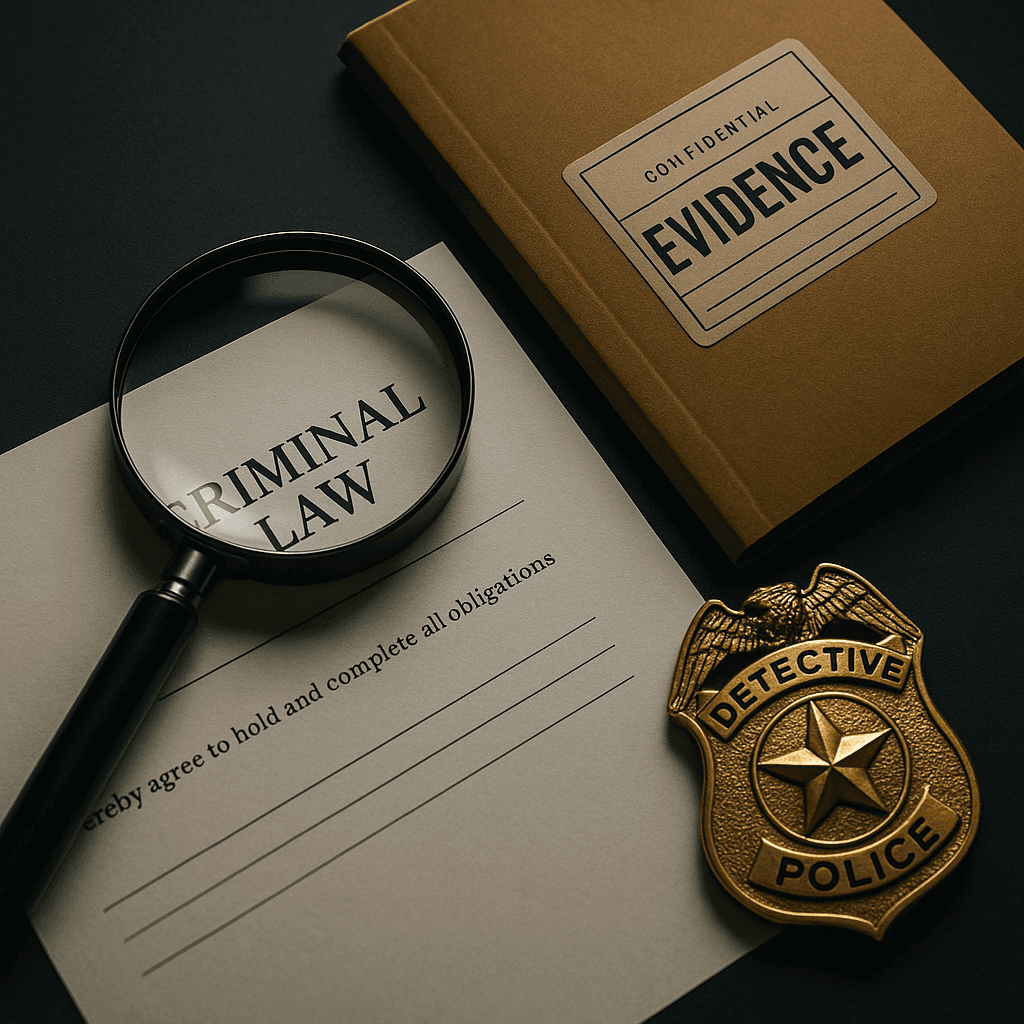
What Are the Core Standards in a Corporate Human Rights Litigation?
Human rights litigation in the United States operates under a distinct legal framework that balances constitutional protections, statutory remedies, and international law principles, creating multiple procedural pathways and evidentiary burdens that corporations must understand to assess exposure and manage defense strategy effectively. Unlike traditional contract or tort disputes, human rights claims often involve claims of systemic harm, discrimination, or violation of fundamental freedoms that trigger heightened scrutiny and specialized remedies. These cases frequently proceed on parallel tracks, combining constitutional claims under 42 U.S.C. Section 1983, federal civil rights statutes, state law causes of action, and sometimes administrative remedies before judicial resolution. Understanding the statutory standards, burden of proof requirements, and how courts weigh intent versus impact is critical for corporate defendants evaluating litigation risk and settlement posture early in the process.
اقرأ المزيد

What Is Bribery Crime and Bribery Crime Punishment
Bribery crime is a serious offense in Washington D.C., where merely offering a benefit to a public official can result in prosecution, irrespective of acceptance. This bribery crime can arise from various interactions: personal, business, or social. To avoid legal pitfalls, it is essential to understand the exact legal boundaries of the bribery crime offense under D.C. .aw. This article outlines the essential legal elements, sentencing standards, and defense strategies in cases involving the Washington D.C. Bribery Crime.
اقرأ المزيد
