Informations juridiques

NYC Housing Lawyer : Foreclosure Law Guide
3 key insights on Foreclosure Law from a NYC Housing Lawyer:Process Type: Judicial Foreclosure OnlyAverage Timeline: 12 to 24 MonthsStanding: Lender Must Prove Note Ownership Foreclosure law in New York follows a strict judicial process requiring lenders to obtain a court judgment before any property sale can occur. This legal framework provides homeowners with substantial protections and a 12 to 24 month timeline to explore defensive strategies. Consulting a NYC housing lawyer early in the process is critical to identifying procedural defects or missing lender documentation. Professional representation ensures that you receive proper notice and allows you to negotiate effective alternatives like loan modifications or short sales in local courts.
Lire la suite

Family Court Divorce Forms: Complete Guide for Us Filers
Family court divorce forms require precise completion of petitions, financial disclosures, and custody filings in New York. Understanding state court jurisdictional rules ensures strict legal compliance, preventing administrative delays and safeguarding marital rights throughout legal proceedings.
Lire la suite

Permanent Residence Guide by Attorney
Navigating the complex path to lawful permanent residence in New York requires a precise understanding of the available visa options and their specific eligibility criteria. This guide provides a comprehensive overview of the key visa categories, legal documentation, and procedural steps required under federal immigration law. By understanding the requirements for employment, family, and investment based visas, applicants can better prepare for a successful transition to life in the United States.
Lire la suite

How Startup Exit Legal Counsel Reduces Seller Liability
Retaining startup exit legal counsel minimizes founder exposure by structuring sale terms and establishing liability caps. Targeted deal structures safeguard personal assets when transitioning company ownership. Early legal review resolves working capital disputes and prevents post-closing claims.
Lire la suite

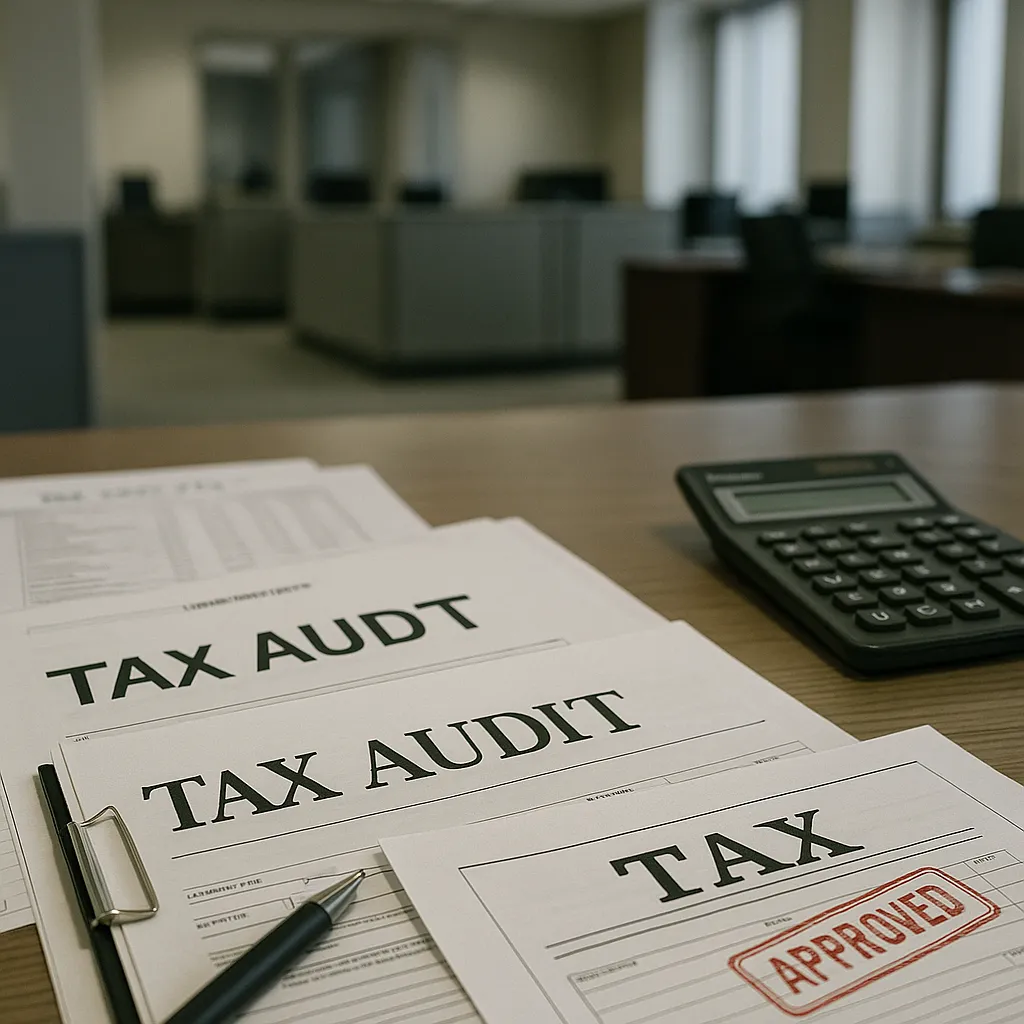
What Are the Common Pitfalls in Government Regulatory Audits?
Government regulatory compliance refers to the legal obligation of organizations and individuals to adhere to laws, rules, standards, and guidance issued by federal, state, and local agencies that govern their industry, operations, or conduct. Regulatory frameworks establish minimum performance standards, disclosure requirements, and operational procedures that entities must follow to lawfully operate in their field. Failure to comply with regulatory mandates can result in civil penalties, license revocation, criminal prosecution, or injunctive orders that halt business activity. This article examines the foundational concepts of government regulatory compliance, how regulatory agencies enforce standards, the procedural mechanisms available to petitioners challenging regulatory action, and the practical documentation and timing issues that affect compliance posture.
Lire la suite

How the Tax Cuts and Jobs Act Defines Your Rights and Obligations
The Tax Cuts and Jobs Act (TCJA), enacted in December 2017, fundamentally reshaped U.S. .ederal income tax law by lowering corporate and individual tax rates, modifying deductions, and introducing temporary provisions set to expire at the end of 2025. The statute altered the tax landscape for both individual and business taxpayers through changes to rate structures, the standard deduction, and the treatment of pass-through entities. Understanding which provisions apply to your situation and which will sunset requires careful attention to the statute's effective dates and phase-out schedules. This article covers the TCJA's core structural changes, how they affect different taxpayer categories, and the strategic considerations that arise as key provisions approach expiration.
Lire la suite