Informations juridiques

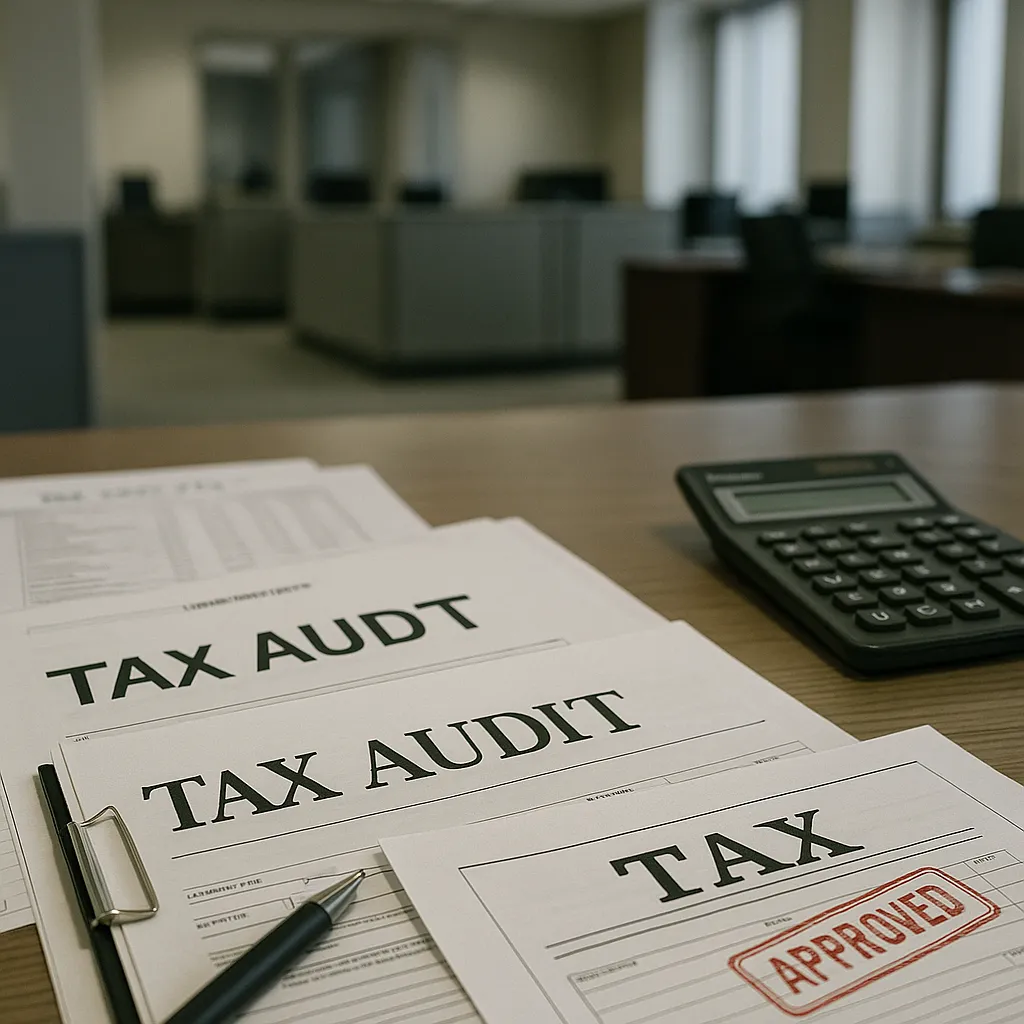
What Are the Common Pitfalls in Government Regulatory Audits?
Government regulatory compliance refers to the legal obligation of organizations and individuals to adhere to laws, rules, standards, and guidance issued by federal, state, and local agencies that govern their industry, operations, or conduct. Regulatory frameworks establish minimum performance standards, disclosure requirements, and operational procedures that entities must follow to lawfully operate in their field. Failure to comply with regulatory mandates can result in civil penalties, license revocation, criminal prosecution, or injunctive orders that halt business activity. This article examines the foundational concepts of government regulatory compliance, how regulatory agencies enforce standards, the procedural mechanisms available to petitioners challenging regulatory action, and the practical documentation and timing issues that affect compliance posture.
Lire la suite

How the Tax Cuts and Jobs Act Defines Your Rights and Obligations
The Tax Cuts and Jobs Act (TCJA), enacted in December 2017, fundamentally reshaped U.S. .ederal income tax law by lowering corporate and individual tax rates, modifying deductions, and introducing temporary provisions set to expire at the end of 2025. The statute altered the tax landscape for both individual and business taxpayers through changes to rate structures, the standard deduction, and the treatment of pass-through entities. Understanding which provisions apply to your situation and which will sunset requires careful attention to the statute's effective dates and phase-out schedules. This article covers the TCJA's core structural changes, how they affect different taxpayer categories, and the strategic considerations that arise as key provisions approach expiration.
Lire la suite
Assault Offense: New York Charges, Penalties, and Defense
An assault offense in New York ranges from a misdemeanor to a felony punishable by up to 25 years, and the degree charged shapes everything that follows. If you are facing an assault charge, New York grades the offense by injury, intent, and weapon use, and those factors decide whether you land in local court or state prison. It covers how the state classifies each assault offense, the penalties and mandatory minimums, how domestic violence and police cases differ, and the defenses that hold up.
Lire la suite

What Legal Risks Should Employers Prioritize in Today’S Employment Environment
3 Questions Decision-Makers Raise About Employment: Wage and hour compliance, termination liability, discrimination exposure.Business leaders and in-house counsel face a landscape where employment decisions carry real legal consequence. Missteps in hiring, compensation, discipline, or separation can trigger costly litigation, regulatory penalties, and reputational harm. This article examines the legal risks that most frequently create exposure for employers and the strategic decisions that should be evaluated early.
Lire la suite

Why Is Intellectual Property Due Diligence Essential before Business Transactions?
Understand how intellectual property due diligence identifies ownership risks, verifies IP assets, and supports licensing, investment, acquisitions, and business transactions. Intellectual property due diligence is the process of reviewing patents, trademarks, copyrights, trade secrets, and related agreements before significant business transactions. Effective intellectual property due diligence verifies ownership, identifies infringement risks, and uncovers licensing or registration issues that may affect business value. By conducting intellectual property due diligence early, businesses can make informed decisions, reduce legal uncertainty, and strengthen future commercial strategies.
Lire la suite

NYC Dmv Lawyers Guide to Pedestrian Crosswalk Accident Rights
NYC DMV lawyers explain pedestrian right-of-way laws, driver liability, comparative negligence rules, and how to recover injury damages. Crosswalk collisions in New York trigger distinct administrative rules.
Lire la suite