法律情報

Individual Reorganization
In New York, individual reorganization offers a critical debt relief pathway for high-debt individuals who cannot use Chapter 13 bankruptcy due to statutory debt limits. This detailed guide outlines the nuances of individual Chapter 11 Subchapter V reorganization, detailing who qualifies, the application process, and the specific legal procedures involved. This specialized process allows financially distressed individuals to restructure significant obligations.
続きを読む

Corporate Trade Secrets Protection under New York Law
Learn how corporate trade secrets protection helps businesses safeguard confidential information through reasonable measures recognized under New York law. Corporate trade secrets protection begins with identifying confidential business information and implementing reasonable safeguards before disputes arise. Trade secrets protection depends on confidentiality agreements, access controls, employee training, and documented security practices. Effective trade secrets protection supports enforcement under New York law and the Defend Trade Secrets Act. These measures strengthen long-term trade secrets protection.
続きを読む

Understanding the Grounds for License Revocation and Professional Discipline in New York
Grounds for License Revocation Legal Guide: Professional misconduct and ethical violations, criminal convictions and felonies, and failure to meet regulatory or continuing education requirements.License revocation is one of the most serious consequences a professional can face in New York. Understanding the grounds for license revocation helps professionals protect their credentials and comply with regulatory requirements. The New York State Education Department enforces strict standards for architects, engineers, contractors, and other licensed professionals. Grounds for license revocation include violations of professional conduct, failure to meet continuing education requirements, criminal convictions, and disciplinary infractions. This guide explains the primary reasons why licenses are revoked and what professionals should know about protecting their professional standing.
続きを読む

Marijuana Penalties
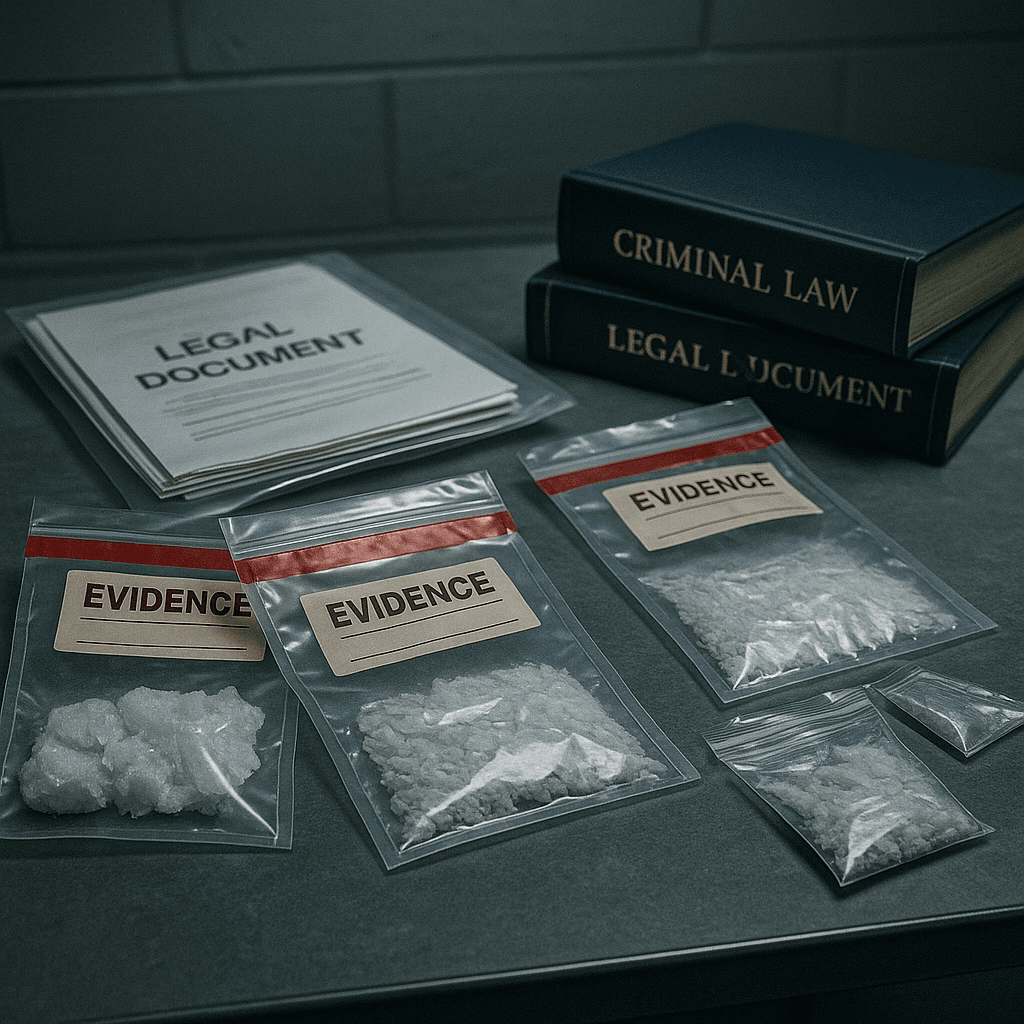
In Washington D.C., the legal landscape surrounding marijuana has shifted significantly in recent years, making it crucial for residents and visitors to understand the current regulations. While personal possession and cultivation of marijuana for recreational use is legal under specific conditions set forth by Initiative 71, violations beyond those limits, including public consumption and unauthorized sale, may result in serious criminal penalties. This comprehensive article outlines the specific marijuana laws in Washington D.C., including the distinctions between legal and illegal cannabis, the penalties for unlawful cultivation or possession, and key legal defense strategies for those facing charges.
続きを読む
General Reorganization Bankruptcy: Eligibility and Filing Procedures
General reorganization bankruptcy in Washington D.C. .ffers a legal framework for individuals and small business owners who cannot access simplified debt adjustment but seek to restructure overwhelming debts while continuing business operations. This critical procedure, primarily governed by Chapter 11 of the U.S. Bankruptcy Code, provides a path for debtors to stabilize their financial situation, often resulting in a stronger, more viable entity post-reorganization. This type of bankruptcy is essential for those whose complex financial obligations exceed the limits set for less formal consumer options.
続きを読む

Understanding the Corporate Dissolution Process and Liquidation
The corporate dissolution process legally ends a corporation, while liquidation settles debts and distributes assets. Learn how both procedures work together. The corporate dissolution process formally ends a corporation's legal existence, while liquidation focuses on paying debts and distributing remaining assets. Although these procedures often occur together, the corporate dissolution process and liquidation serve different legal functions and must satisfy separate legal requirements. Understanding the corporate dissolution process helps businesses complete an orderly and legally compliant wind-down.
続きを読む