法律情報

Which Consumer Class Action Steps Require Immediate Attention?
3 Bottom-Line Points on Consumer Class Action from Counsel: Certification window closes fast, settlement approval requires court scrutiny, individual noticeConsumer class action litigation presents distinct procedural and strategic challenges whether you are a defendant facing exposure, a class member evaluating claim value, or in-house counsel managing litigation risk. The rules governing class certification, settlement procedures, and notice requirements under Federal Rule of Civil Procedure 23 create compressed timelines and high stakes. Understanding the critical junctures in a consumer class action, from pleading through settlement approval, is essential for informed decision-making and risk mitigation.
続きを読む
Navigating Report Unpaid Wages Procedures and Defense Tactics
3 Questions Decision-Makers Raise About Report Unpaid Wages: Wage claim filing deadlines, employer retaliation risk, documentation requirements.Employees and business owners often face confusion about when and how to report unpaid wages. From a practitioner's perspective, the most critical issue is timing. Wage claims are subject to strict statutes of limitation, and the window for recovery narrows quickly. Understanding the procedural requirements, available remedies, and potential defenses will help you assess whether immediate action is necessary and what evidence to preserve now.
続きを読む
Certificate of Origin: Compliance Risks and Legal Strategy
Certificate of origin filings determine tariff rates and FTA eligibility. In New York, errors expose importers to CBP penalties and federal court review. Certificate of origin filings determine tariff rates and FTA eligibility. In New York, errors expose importers to CBP penalties and federal court review. Each certificate of origin is a legal commitment, not a formality. Errors can trigger retroactive duty assessments, cargo seizure, and federal court claims. I have seen these situations escalate quickly. Before certifying a certificate of origin, understand the penalty exposure, documentation requirements, and legal strategy that your business needs.
続きを読む
How Does a Purchase Agreement Work in New York Real Estate?
A purchase agreement sets the binding terms for a New York real estate sale, including price, contingencies, title requirements, and closing obligations. New York General Obligations Law § 5-703 requires contracts for the sale of real property to satisfy statutory writing requirements to be enforceable. The agreement addresses financing, inspections, property condition disclosures, title clearance, defaults, and contractual remedies. These provisions determine when the parties must perform, when termination may be permitted, and what remedies may follow a default.
続きを読む

Mergers and Acquisitions Law through Regulatory Compliance
Learn how mergers and acquisitions law addresses regulatory compliance, antitrust review, corporate governance, and legal obligations throughout an M&A transaction. Mergers and acquisitions are governed by a broad legal framework that extends beyond the transaction itself. Effective mergers and acquisitions require regulatory compliance with corporate, antitrust, securities, and contractual obligations before and after closing. From my experience, businesses that understand these legal requirements early are better positioned to avoid delays and unexpected liabilities. A clear understanding of mergers and acquisitions law supports smoother transactions and stronger legal protection.
続きを読む
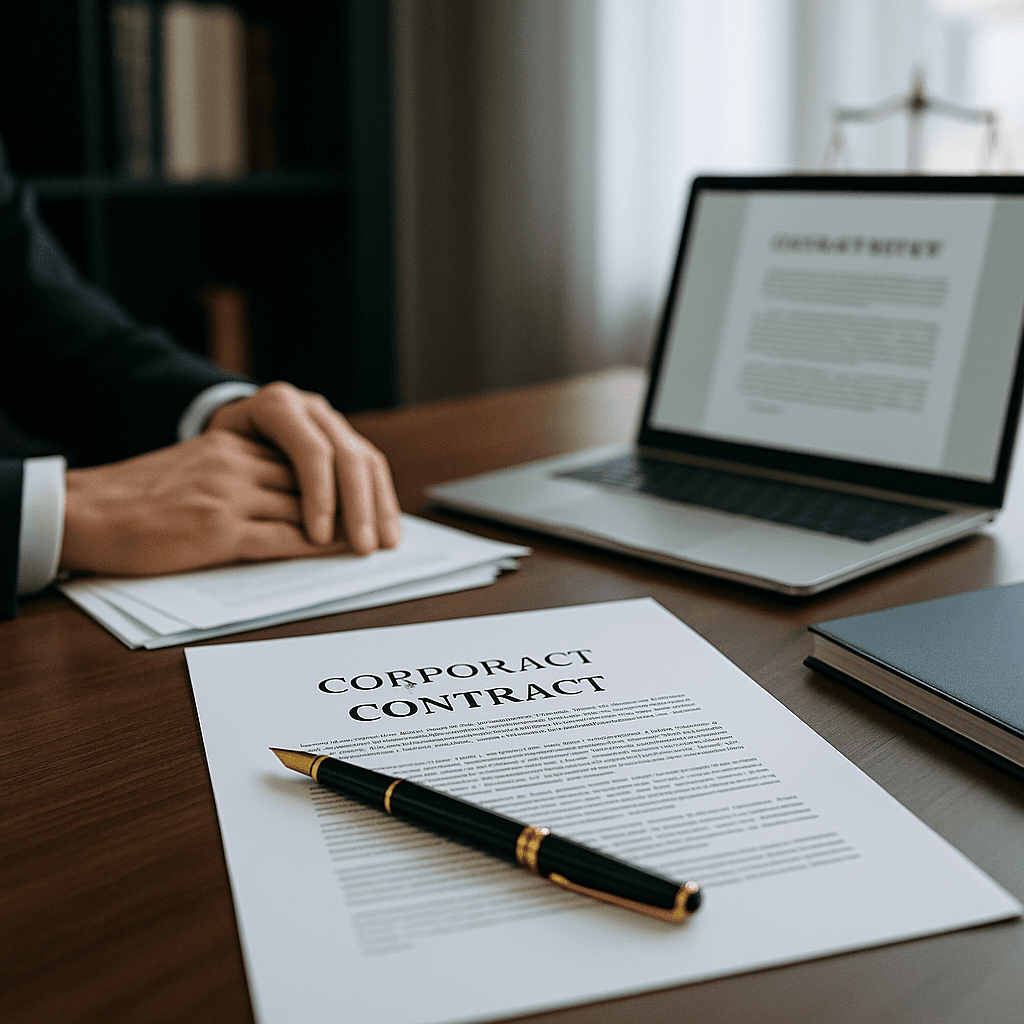
How to Select the Best Corporate Law Firm for Your Business?
3 Bottom-Line Points on Best Corporate Law Firm Selection from Counsel: Regulatory compliance exposure, transaction structure timing, and ongoing governance requirements.Selecting the right corporate law firm is one of the most consequential decisions a business owner or in-house counsel can make. The stakes extend far beyond hourly rates. Your choice determines whether your company navigates complex transactions, regulatory frameworks, and governance obligations efficiently, or stumbles into costly disputes, missed deadlines, and structural vulnerabilities. This article examines what distinguishes a best corporate law firm from a generalist shop, and how to evaluate counsel before you need them most.Risk CategoryPractical ImpactWhy Firm Selection MattersEntity Formation & BylawsImproper structure creates tax exposure and liability leakageSpecialized firms draft corporate bylaws and articles that anticipate shareholder disputes and governance gapsM&A Due DiligenceUndisclosed liabilities surface post-closing; indemnification disputes followExperienced counsel identifies red flags during underwriting and structures protective mechanismsRegulatory ComplianceMissed filings trigger penalties, director liability, and operational suspensionBest firms maintain compliance calendars and proactive monitoring systemsSecurities & FinancingImproper disclosure or structure violates federal and state lawCounsel navigates SEC rules, state blue-sky requirements, and investor protections
続きを読む