法律情報

The Critical Value of Accident Medical Documentation
Three Key Accident Medical Documentation Points From a New York Attorney: Medical records establish injury causation, strengthen liability claims, statute of limitations runs from discovery of injury, and preserve evidence before it degrades.Accident medical documentation forms the backbone of any personal injury or workers' compensation claim. Without contemporaneous, detailed medical records, even a clear-cut case can collapse under the weight of skepticism or delay. Courts in New York rely heavily on the medical timeline to determine whether injuries stem from the accident in question, and insurers scrutinize gaps in treatment to argue pre-existing conditions or lack of severity. This article examines why thorough documentation matters, how courts evaluate it, and what clients should do immediately after an injury.
続きを読む

How Much Is Child Support in New York under the Cssa?
In New York, the CSSA sets child support as a percentage of combined parental income, so the amount depends on each parent's income and the number of children. Because the formula runs on income, the hard part is knowing what counts as income, how to treat self-employment or bonuses, and what happens once combined income passes the cap. This guide walks through each step of the CSSA calculation, from defining income to adding childcare and medical costs.
続きを読む

How a Transportation Agreement Allocates Risk and Liability
A transportation agreement is a contract that governs the movement of goods, services, or personnel and allocates risk, liability, and operational responsibility between the parties involved.Corporate parties must address liability caps, indemnification, insurance thresholds, payment terms, and dispute resolution mechanisms to avoid operational disruption and uninsured losses. This article covers the core structural elements corporations should evaluate and practical enforcement pitfalls that affect dispute resolution if performance fails. The guidance applies to domestic and international transportation arrangements subject to New York law or federal commercial standards.
続きを読む

Understanding Securities Defense Across Sec Investigations and Court Proceedings
Securities violations involve complex federal and state regulations that can expose individuals and businesses to both criminal prosecution and civil liability. Understanding the distinction between intentional fraud, negligent misrepresentation, and strict liability offenses is critical because the legal standard, burden of proof, and available defenses differ significantly across these categories. Securities law operates on multiple enforcement tracks: the Securities and Exchange Commission (SEC) may pursue civil enforcement, state regulators may initiate administrative actions, and federal prosecutors may bring criminal charges, sometimes in parallel. The interplay between these proceedings, combined with the technical nature of securities statutes and the volume of documentation involved, creates procedural and strategic complexities that require early attention to how evidence is preserved, disclosed, and framed.
続きを読む

What Should Healthcare Providers Know about Mental Health Law in New York City?
Mental health law in New York City intersects clinical practice, patient rights, regulatory compliance, and potential liability in ways that require proactive legal awareness from healthcare providers. Healthcare providers operating in New York City face a complex regulatory landscape where mental health treatment intersects with confidentiality obligations, mandatory reporting duties, and evolving standards of care. State law and federal frameworks impose distinct requirements on documentation, consent, and disclosure that differ significantly from general medical practice. Understanding these boundaries early helps providers avoid unintended violations and protects both patient welfare and organizational integrity.
続きを読む

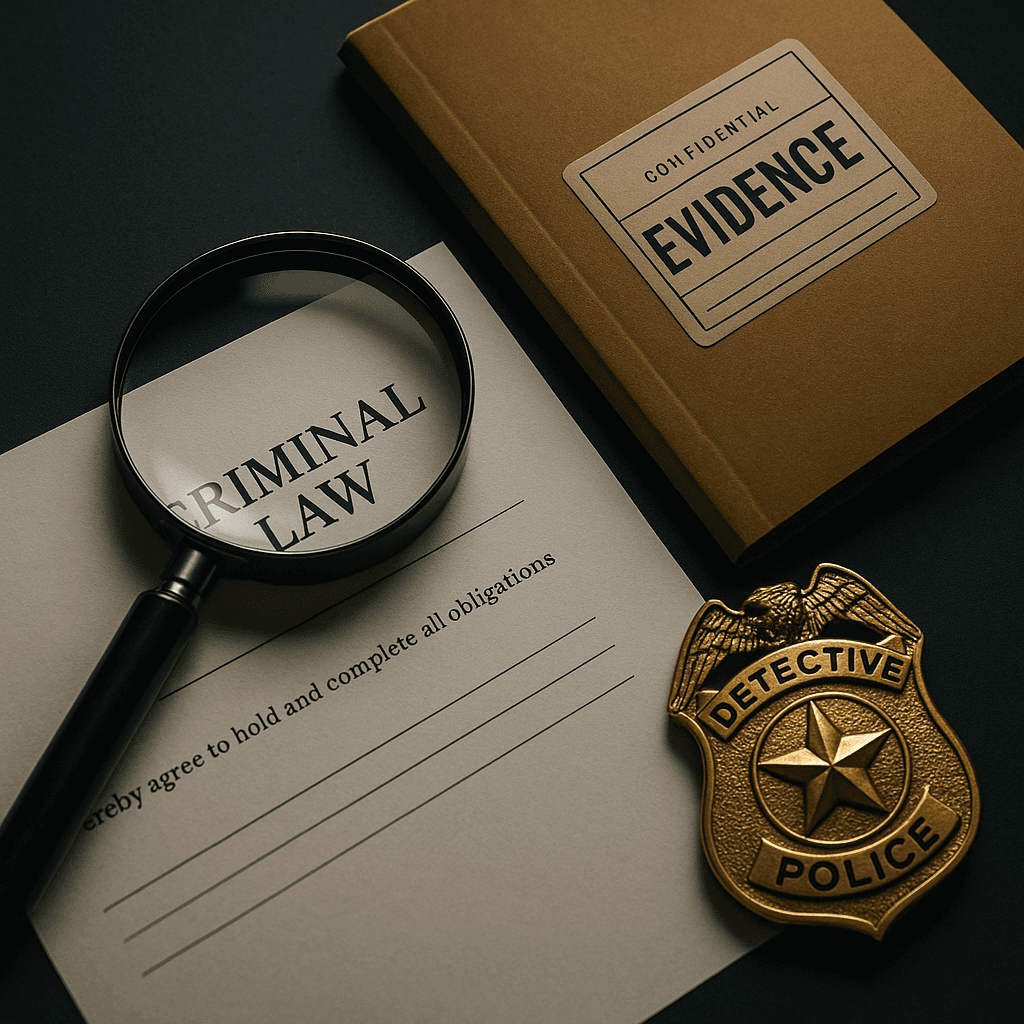
How Does a Criminal Defense Law Firm New York Protect You?
3 Questions Clients Ask About Local Criminal Defense Attorney Services: Arrest procedures and your constitutional protections, bail and release options, and plea versus trial strategy.When you face criminal charges in New York, the stakes are immediate and high. A criminal defense law firm in New York operates within a complex procedural landscape where early decisions shape your entire case trajectory. The role of a criminal defense attorney extends far beyond courtroom advocacy; it encompasses protecting your constitutional rights from the moment of arrest, evaluating the prosecution's evidence, negotiating with prosecutors, and preparing for trial if necessary. Understanding when and how to engage counsel can mean the difference between a favorable outcome and one that carries lasting consequences for your employment, housing, and personal liberty.
続きを読む