




Юридическая информация

New York State Labor Lawyers Provide 3 Key Insights into Construction Labor Management
New York State Labor Lawyers' 3 Key Insights: Strict Regulatory Compliance, Accurate Worker Classification, and Rigorous Safety StandardsConstruction labor management involves complex regulatory compliance, worker classification, wage and hour disputes, and safety standards that require specialized legal expertise. New York State labor lawyers help construction companies navigate these challenges while protecting their business interests and ensuring employee rights are upheld. Understanding the intersection of federal and state labor law is essential for construction employers operating in New York.
Читать далее

Build Brand Authority with Intellectual Property Registration in New York
Three Key Intellectual Property Registration Points From a New York Attorney: Federal trademark registration protects brand nationwide, copyright ownership vests automatically, and patent filing requires rigorous examination.Intellectual property registration in New York establishes legal ownership and creates enforceable rights that deter infringement. Whether you are launching a startup, expanding a product line, or protecting creative work, understanding when and how to register is critical to building sustainable brand value. Registration transforms informal ownership into documented legal authority that courts will enforce.
Читать далее

Judicial Divorce Reasons and Divorce Law Standards
A judicial divorce in New York is a formal legal proceeding where the court dissolves a marriage based on specific statutory grounds. This process requires the petitioning spouse to establish one of the seven recognized Judicial Divorce Reasons to justify the state intervention. Understanding these legal standards is the first step for any individual navigating the complexities of New York Divorce Law to ensure their rights and future interests are fully protected during the matrimonial action.
Читать далее

A Cross-Border Fto Attorney Assesses Global Patent Risk
A cross-border IP freedom to operate FTO legal review attorney assesses patent risks and supports safer global market entry. For companies expanding internationally, the practical question is not whether every possible patent risk can be eliminated. The goal is to identify material exposure in the markets that matter, determine how existing patent claims affect commercialization, and decide whether licensing, design changes, contractual protection, or a different market-entry strategy is appropriate.
Читать далее

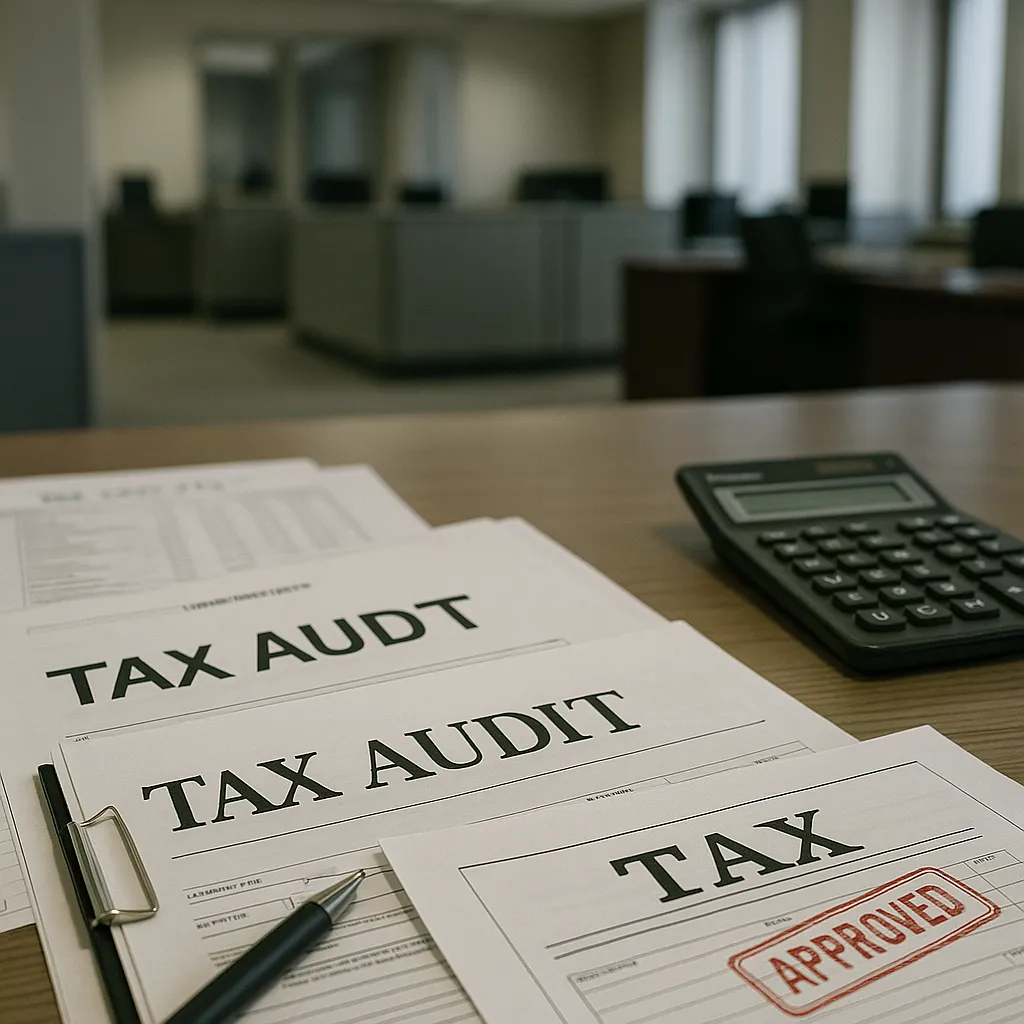
What Are the Key Tax Credit Qualifications You Should Understand?
Tax credits are direct reductions in the amount of tax you owe, and eligibility hinges on meeting precise statutory requirements that vary by credit type, income threshold, filing status, and other factors defined in the Internal Revenue Code. The Internal Revenue Service enforces these qualifications strictly, and claiming a credit you do not qualify for can trigger audit, penalty, and interest charges. Procedural defects in substantiation or timing can also result in credit disallowance even if you meet the underlying eligibility criteria. This article will explore the foundational concepts behind tax credit qualifications, how courts and the IRS evaluate eligibility, and what documentation and strategic considerations matter most when evaluating whether a credit applies to your situation.
Читать далее
What Is Civil Law and How Does It Protect Your Rights in New York?
Learn how civil law in New York resolves legal disputes, protects rights, and differs from criminal law in legal remedies and standards of proof. Civil law provides structured legal mechanisms to compensate victims of contract breaches or negligence under the New York State Constitution. Understanding these rules helps individuals protect their financial interests and assert their rights effectively in court.
Читать далее
