Юридическая информация

Global Technology Patent Dispute Attorney for Infringement Litigation
Global technology patent dispute attorney services cover patent litigation, evidence holds, PTAB strategy, and foreign enforcement. When patent litigation begins, deadlines and evidence duties can move quickly across parallel proceedings. Companies may need to coordinate federal discovery, PTAB challenges, interim relief, and foreign enforcement. A focused plan helps contain risk across jurisdictions.
Читать далее

What Are the Key Tax Credit Qualifications You Should Understand?
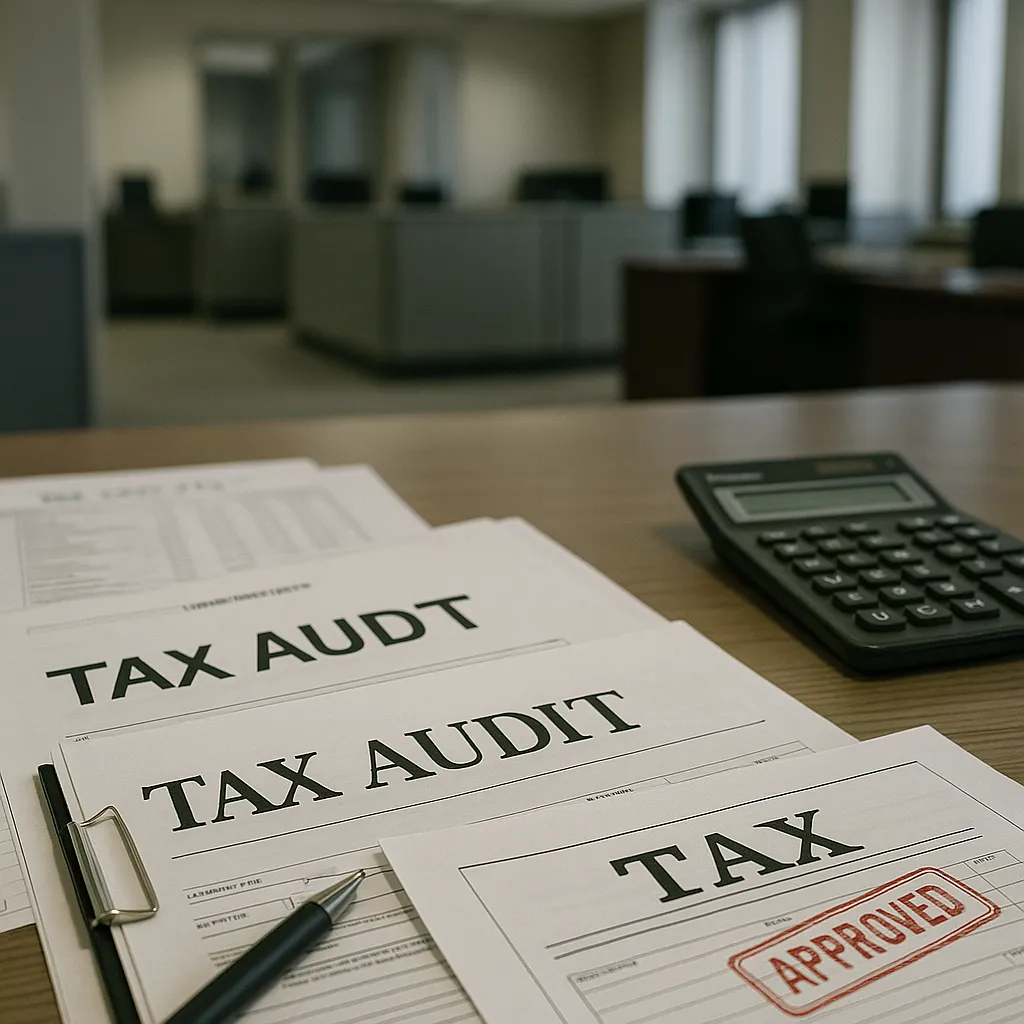
Tax credits are direct reductions in the amount of tax you owe, and eligibility hinges on meeting precise statutory requirements that vary by credit type, income threshold, filing status, and other factors defined in the Internal Revenue Code. The Internal Revenue Service enforces these qualifications strictly, and claiming a credit you do not qualify for can trigger audit, penalty, and interest charges. Procedural defects in substantiation or timing can also result in credit disallowance even if you meet the underlying eligibility criteria. This article will explore the foundational concepts behind tax credit qualifications, how courts and the IRS evaluate eligibility, and what documentation and strategic considerations matter most when evaluating whether a credit applies to your situation.
Читать далее
What Is Advertising and Marketing Law? Key Legal Risks Businesses Miss
Advertising and marketing law governs the legal obligations, restrictions, and remedies that apply when businesses promote goods, services, or ideas to consumers, competitors, or the public. The regulatory framework combines federal statutes (primarily the Federal Trade Commission Act), state consumer protection laws, and common law doctrines that impose duties of truthfulness, substantiation, and fair dealing. Violations can result in injunctions, civil penalties, consumer refunds, corrective advertising orders, and private lawsuits for damages or unjust enrichment. This article addresses the core legal standards, key enforcement mechanisms, the distinction between permissible puffery and unlawful deception, and the procedural postures that arise when disputes over advertising claims reach litigation or administrative review.
Читать далее

What Is a Defamation Lawsuit in New York and How Does It Work?
Understand how a defamation lawsuit works in New York, including legal elements, fault standards, available defenses, damages, and litigation procedures. A defamation lawsuit is a civil claim seeking compensation for reputational harm caused by a false statement of fact. In New York, a defamation lawsuit depends on proving publication, falsity, fault, and legally recognized damages, while available defenses may defeat liability before trial. From my experience, evaluating the evidence and applicable legal standards early often shapes the outcome of a defamation lawsuit.
Читать далее

Real Estate in NYC Requires Checks on Ownership and Use
Real estate in NYC requires reviewing ownership records, liens, and permitted property uses before buying, leasing, or making changes to a building. Property owners, landlords, and tenants should confirm that recorded rights and building approvals match their intended use. Deeds, title reports, zoning records, and occupancy documents may reveal restrictions or unresolved issues. Those findings can help determine whether an agency application or ownership dispute needs further review.
Читать далее

How Is Car Accident Compensation Calculated and Settled?
Car accident compensation claims in New York allow injured victims to seek financial recovery for economic losses, non-economic damages, and severe suffering after collisions. Under New York Civil Practice Law and Rules (CPLR) Section 1411, comparative fault rules apply to personal injury claims, meaning your recoverable amount is reduced in proportion to your percentage of fault. Navigating insurance policy limits and documenting long-term medical care are essential steps to secure fair financial recovery after a collision. Injured parties who understand how insurance adjusters calculate lost earnings and medical expenses can better protect their legal rights.
Читать далее