




What’s next for South Korean doctors who face license suspensions because of walkouts

2024-03-05
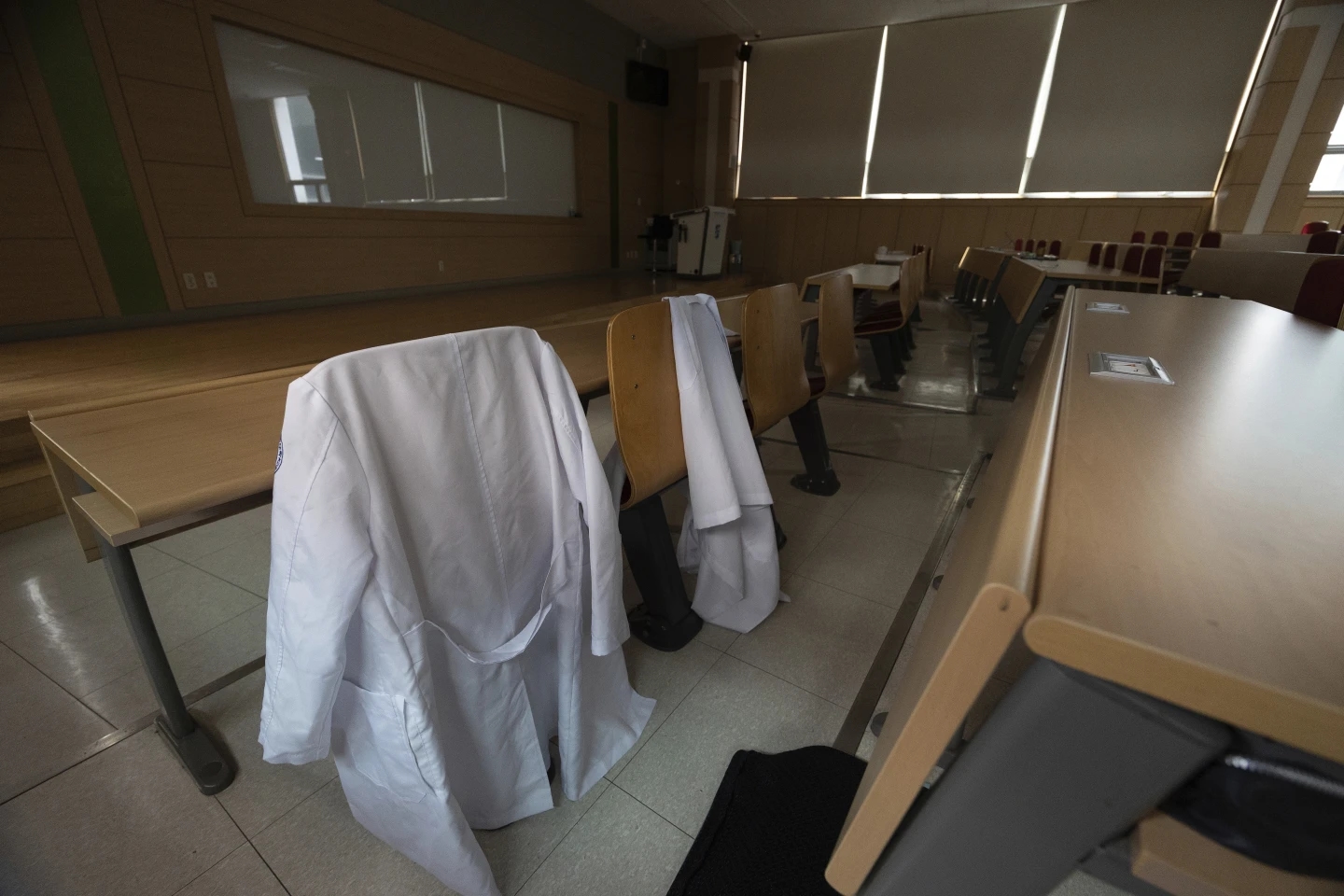
SEOUL, South Korea (AP) — South Korea’s government is pressing ahead with its vow to suspend the licenses of thousands of junior doctors who ignore its repeated demands to end their collective walkouts.
Nearly 9,000 out of the country’s 13,000 medical interns and residents have been refusing to work for about two weeks to protest a government plan to increase South Korea’s medical school admission quota by about two thirds.
Here are some questions and answers about what’s next in the strike:
HOW DOES THE SUSPENSION WORK?
After their walkouts caused hundreds of surgeries and other treatments to be canceled, the government ordered the junior doctors to return to work by Feb. 29 or face license suspensions and possible legal charges. Most of them missed the deadline.
On Monday, the government dispatched officials to about 50 hospitals to formally confirm the absence of striking doctors, before informing them of their license suspensions and giving them a chance to respond.
Vice Health Minister Park Min-soo said the doctors face a minimum three-month suspension. Suspension records will leave them facing more than one year of delay in getting licenses for specialists and further barriers in landing jobs, Park said.
Park suggested it would take weeks to complete procedures for suspending licenses. Once it’s done, some striking doctors will likely respond with legal action.
Hyeondeok Choi, partner at the law firm Daeryun that specializes in medical law, said it would be “impossible” for the government to suspend the licenses of all the 9,000 doctors. He said the government would likely target less than 100 of the leading strikers.
The Korea Medical Association, which represents 140,000 doctors in South Korea, said it supports the junior doctors’ walkouts. Joo Sooho, a spokesperson at the KMA’s emergency committee, said Monday that senior doctors are considering economic support for the strikers if their licenses are suspended.
WHAT OTHER STEPS THE STRIKERS CAN FACE?
South Korea’s medical law says doctors who refuse the government’s back-to-work order can face up to three years in prison or a 30 million won ($22,480) fine, as well as up to one year of license suspensions. Those sent to prison or given even suspended prison sentences automatically lose their licenses.
The Health Ministry can file complaints with police, who then investigate and hand the case to prosecutors for a possible indictment, according to Choi, the law firm partner.
Joo said the Korea Medical Association will provide lawyers to the striking doctors if they are summoned by police or prosecutors.
South Korean police said they are investigating five senior members of the Korea Medical Association, after the Health Ministry filed complaints against them for allegedly inciting and abetting the junior doctors’ walkouts.
WHAT DO PEOPLE SAY?
The doctors’ strikes have so far failed to generate public support, with a survey showing about 80% backing the government’s school enrollment plan.
The government says South Korea urgently needs more doctors to deal with a rapidly aging population. Many doctors say a too-steep increase in the number of students would eventually result in undermining medical service. Some critics say doctors, one of the highest-paid professions in South Korea, worry about losing their income.
Lee Yeonha, 40, said the striking doctors were “too selfish” and a three-month license suspension is too little.
“I wish the government would take more powerful legal action to get the doctors to fear that they may not be able to work as doctors in this country,” Lee said.
Another Seoul resident, Sunny Shin, supports the arguments by doctors that the government must first resolve fundamental problems such as a lack of medical liability protection and a shortage of physicians in key yet low-paying specialties such as pediatrics and emergency departments.
“As long as the crucial sector doctors are likely to be embroiled in lawsuits and still not highly paid, I cannot blame them for protesting against the government labeling them as privileged people neglecting their duties as doctors,” Shin said.
[translation]
SEOUL, South Korea (AP) — South Korea's government is going ahead with its pledge to suspend the licenses of thousands of junior doctors who defy repeated calls to end mass strikes.
About 9,000 of the 13,000 medical school residents in Korea have refused to go to work for about two weeks to protest the government's plan to increase the number of students admitted to Korea's medical schools by about two-thirds.
Here are some questions and answers about the next steps in the strike.
How does suspension work?
The government ordered junior doctors to return to work by February 29 after hundreds of surgeries and other treatments were canceled due to the strike. Failure to do so may result in your license being suspended and legal charges being filed. Most missed the deadline.
The government dispatched civil servants to about 50 hospitals on Monday to officially confirm that there was no intention to strike, notified them of the suspension of their licenses, and gave them an opportunity to respond.
Vice Minister of Health and Welfare Park Min-soo said the doctors would be suspended for at least three months. A record of suspension would delay obtaining professional certification by more than a year and create further barriers to employment, Park said.
Park suggested it would take several weeks to complete the license suspension process. Once completed, some striking doctors will likely respond with legal action.
Choi Hyeon-deok, a partner at Daeryun, a law firm specializing in medical law, said it was “impossible” for the government to suspend the licenses of all 9,000 doctors. He said the government would likely target fewer than 100 of the main strikers.
The Korean Medical Association, which represents 140,000 doctors in Korea, said it supports the strike by junior doctors. Joo Su-ho, spokesman for the Korean Medical Association's emergency response headquarters, said Monday that senior doctors were considering providing financial support to strikers if their licenses are suspended.
What are the different stages a striker might face?
According to Korean medical law, doctors who refuse government orders to return to work can be jailed for up to three years, fined 30 million won ($22,480), and have their licenses suspended for up to one year. Anyone who is incarcerated or even sentenced to probation automatically loses their license.
According to lawyer Choi of the law firm, the Ministry of Health can file a complaint with the police and then the police can investigate the case and then hand it over to the prosecution for possible prosecution.
Joo said the Korean Medical Association will provide lawyers to striking doctors if they are summoned by police or prosecutors.
The police announced that they are investigating five high-ranking executives of the Korean Medical Association who were accused by the Ministry of Health and Welfare of inciting and abetting a strike by junior doctors.
What do people say?
The doctors' strike has so far failed to gain public support, with surveys showing around 80% support the government's school enrollment plan.
The government said the country urgently needs more doctors to cope with its rapidly aging population. Many doctors say that increasing student numbers too steeply could ultimately undermine health care. Some critics say doctors, one of the country's highest-paid professions, are worried about loss of income.
Yeonha Lee (40) said that the striking doctors were “too selfish” and that the three-month license suspension was too little.
Mr. Lee said, “I wish the government would take stronger legal measures so that doctors can feel the fear that they may not be able to practice as doctors in this country.”
Sunny Shin, another Seoul resident, supports the doctors' argument that the government must first address fundamental problems, including lack of medical liability protection and a shortage of doctors in key but low-paying specialties such as pediatrics and emergency rooms.
Professor Shin said, “As long as doctors in important fields are likely to be embroiled in lawsuits and still do not receive high salaries, we cannot criticize them for protesting against the government’s stigmatization of doctors as a privileged class who neglect their duties.”
[View full article] - What’s next for South Korean doctors who face license suspensions because of walkouts


Do you have more questions?






In-Person Consultation Booking
If you have legal concerns, consult with a specialist attorney at the nearest office.
