




Jobs disappearing due to AI... The United States is strengthening 'worker protection', but what about Korea?

2025-07-01
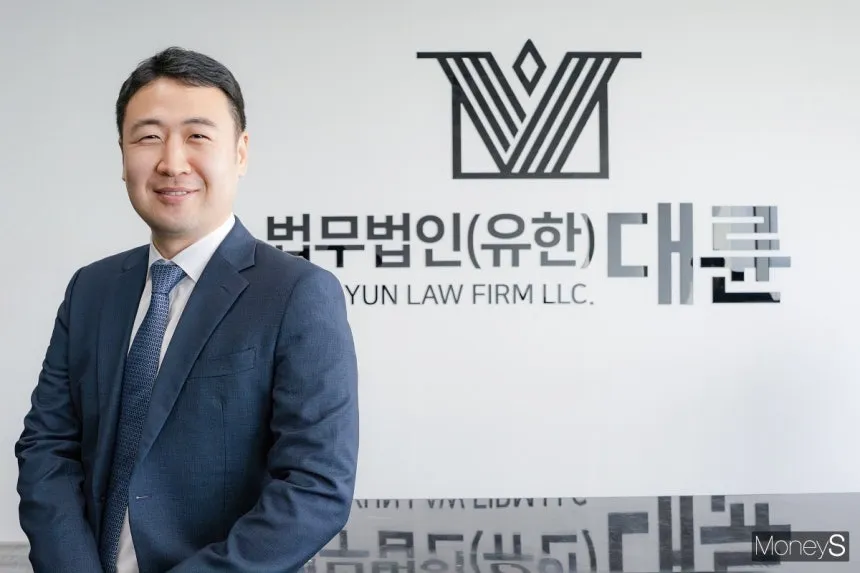
[Interview] Intae Bang, lawyer specializing in labor law at Daeryun Law Firm
Artificial intelligence (AI) and automation technologies are rapidly changing the entire industry, from manufacturing to the service industry, but laws and systems that should protect workers' rights are not keeping up with the pace of technological development. There are criticisms that workers are being left in a legal blind spot in the employment ecosystem transformed by AI.
The restructuring of the labor market has already begun. According to the Korea Employment Information Service's 'Digital-based technological innovation and changes in human resource demand structure' report, 6 out of 10 jobs, including facilities and production, that are greatly affected by automation were analyzed to have a high possibility of technological substitution. Technological advancements are threatening existing jobs and creating new forms of employment.
The problem is that the current labor law does not properly reflect these changes. Bang In-tae, a lawyer at Daeryun Law Firm, predicted, “Our labor laws are still based on ‘old-style jobs’ and are unable to keep up with changes,” and added, “When repetitive tasks are automated with AI technology, companies will process work through platforms, and the number of self-employed workers or short-term contract workers will increase further.”
He pointed out, "The current Labor Standards Act basically assumes 'dependent workers employed by a company for a long period of time,' so protection for new forms of labor such as freelancers, platform workers, and one-person businesses is insufficient."
The argument that the legal concept of 'worker' should be expanded as a solution to this is gaining ground. Attorney Bang added, “Voices are growing that platform workers and specially employed workers should be included in social security systems such as industrial accident insurance and unemployment benefits,” adding, “Government discussions to strengthen workers’ right to participate in management are also actively taking place to reduce inequality caused by technological change.”
Overseas countries, including the U.S., are introducing AI-related personnel regulations one after another.
Overseas countries, including the United States, which began digital transformation ahead of us, are already taking institutional responses. California this year restricted AI from replacing teachers, and New York introduced regulations on AI-based publications. States such as California, New York, and Illinois prohibit discrimination that may occur when companies use AI in decision-making, such as hiring or personnel evaluation.
Attorney Bang In-tae said, "New York State has even introduced a system that requires companies to disclose if mass layoffs are linked to the introduction of AI," and added, "Our country also needs to make it mandatory for companies to notify and disclose to stakeholders how AI has affected the process from hiring to firing."
He continued, “The core of labor policy in the AI era is ‘balance,’” and argued, “There is an urgent need to establish legal and institutional measures to protect workers’ rights without hindering technological innovation.”
Specific measures include ▲establishing a retraining and job change support system for occupations that are likely to be replaced by AI, ▲expanding livelihood support for the unemployed through revision of the Employment Insurance Act and mandating customized job training, and ▲reviewing the application of social insurance (employment and industrial accident) and the minimum wage system for non-traditional employment types. In order to ease the burden on companies, it was deemed necessary to review ▲converting the seniority-based wage system to one centered on job and performance ▲introducing an hourly wage system linked to the flexible work system.
He finally emphasized, “In the coming AI era, national competitiveness will be determined by how successful we are in protecting workers’ rights and reforming a sustainable wage system.”
Reporter Hwang Jeong-won (jwhwang@mt.co.kr)
[View full article]
Jobs disappearing due to AI... The United States is strengthening 'worker protection', but what about Korea? (Shortcut)

Do you have more questions?






In-Person Consultation Booking
If you have legal concerns, consult with a specialist attorney at the nearest office.
