




Q&A on inherited property disputes and foreclosure lawsuits from a Seocho family law lawyer

2021-07-30
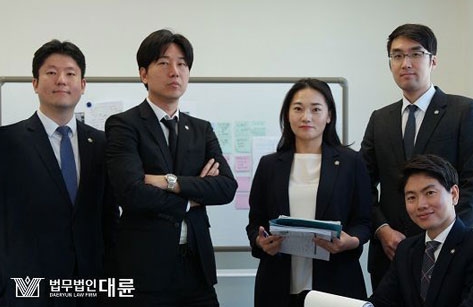
As the generation of industrial workers comes to an end, legal disputes surrounding inheritance are steadily increasing.
According to the National Court Administration, the number of lawsuits for the return of oil reserves filed in family courts across the country last year increased significantly from 452 cases based on the first trial filing at the National District Court in 2010 to 1,511 cases last year. Experts believe that this is because the generation of industrial workers who built their wealth in the 1960s to 1980s died of old age, and the absolute level of wealth that their children could compete for was met. In relation to this, we heard about a lawsuit requesting the return of oil reserves through the Daeryun Inheritance Team at Law Firm.
Q. Please explain the amount of oil.
A. Reserved portion refers to a part of inherited property legally reserved for the heir. If there is a gift or bequest that violates this, the right to one's inheritance is claimed against the donee (another heir who inherited the property). For example, when a father writes a will saying, “I will pass on all my property to my eldest son,” this is a legal inheritance share that the remaining children can be guaranteed. At this time, the claim for return of the reserved portion must be made within 10 years from the date of commencement of inheritance (death) and within 1 year from the time the fact of the returned bequest became known.
Q. What happens to the person with the right to claim the return of the reserved portion?
A. The rights holders of the reserve system are the existing legal inheritance rights, excluding collateral blood relatives within the 4th degree of consanguinity, and are in that order: lineal descendants, spouse, lineal ascendants, and siblings. The reserved portion also has rights only if there is no priority inheritance right, so if there are lineal descendants and spouses, the lineal ascendants and siblings are not recognized as having the right to claim return of the reserved portion.
Q. In the case of a fetus, can reserves be recognized?
A. The fetus is considered already born in terms of inheritance under civil law. Therefore, the fetus also has the status of an heir in inheritance. If the presumptive heir who died before the start of inheritance has direct descendants, the fetus is also recognized as the 'right to succession by inheritance' or the right to a bequest or reserved portion to receive the inheritance on behalf of the deceased heir. However, these rights recognized by the fetus can only be acquired when the fetus is born alive, and the rights that the fetus had only when born alive are retroactively recognized as having been acquired from the time when the rights arose.
Q. How are the oil percentage and amount calculated?
A. For lineal descendants and spouses, it is 1/2 of the legal inheritance, and for lineal ascendants and siblings, it is 1/3 of the legal inheritance. To calculate the reserved portion, the deceased's inherited property must first be determined. The method of calculating the amount of inherited property is to add the value of property gifted to a third party within one year before the start of inheritance to the combined value of the property and debts owned by the deceased. Based on this, the reserved portion of the legal heirs can be obtained and the corresponding amount can be claimed from the bequeathed person.
Q. What should be done if inherited property is distributed unequally?
A. In order to guarantee legal inheritance, a legal approach must be taken and the individual concerned must step forward. Since many dispute elements are involved in the division of inherited property, such as retention, contribution, limited approval, and renunciation of inheritance, it is necessary to carefully check what needs to be prepared before the statute of limitations under the relevant laws. In particular, in the case of reserved portions, it is necessary to have sufficient discussions with a family law attorney before filing a lawsuit requesting return, confirm whether there is any benefit to the lawsuit, and then settle the dispute as soon as possible.
Daeryun Law Firm's Inheritance Promotion Team operates a nationwide network with offices in Seoul, Busan, Daegu, Incheon, Gwangju, Daejeon, Ulsan, Suwon, Changwon, Cheongju, Jeonju, Uijeongbu, Chuncheon, Jinju, and Jeju. We provide legal assistance in the field of inheritance, including division of inherited assets and contributions, claims for return of retained shares, claims for inheritance recovery, limited approval, and inheritance relinquishment issues, focusing on family affairs lawyers certified by the Korean Bar Association.
View article text - https://news.naver.com/main/read.nhn?mode=LSD&mid=sec&sid1=101&oid=016&aid=0001678916


Do you have more questions?






In-Person Consultation Booking
If you have legal concerns, consult with a specialist attorney at the nearest office.
