
CONTENTS
- 1. Clinical Trials | Definition

- - Main Purposes
- 2. Clinical Trials | New Drug and Medical Device Development Process
- - Nonclinical Studies
- - IND Approval
- - Phase 1 (Clinical Pharmacology Studies, etc.)
- - Phase 2 (Therapeutic Exploratory Trials, etc.)
- - Phase 3 (Therapeutic Confirmatory Clinical Trials, etc.)
- - Application for Product Approval
- 3. Clinical Trials | Changes in the Organoid-Based New Drug Development Environment
- - Changes in the Global Regulatory Environment and the Expansion of Alternative Test Methods
- - The Actual Impact on IND Approval Strategy
- - Limitations of Animal Testing Alternative Technologies and Complementary Strategies
- 4. Clinical Trials | Tailored Response Strategy
- - Legal Advisory and Procedural Support for Product Approval
- - Regulatory Compliance Support for Clinical Trial Plan (IND) Approval
- - Stage-by-Stage Legal Advisory for New Drug and Medical Device Development
- - Review of Regulations on Organoids and Advanced Regenerative Medicine
- - Review of Clinical Trial Contracts and Dispute Response

1. Clinical Trials | Definition
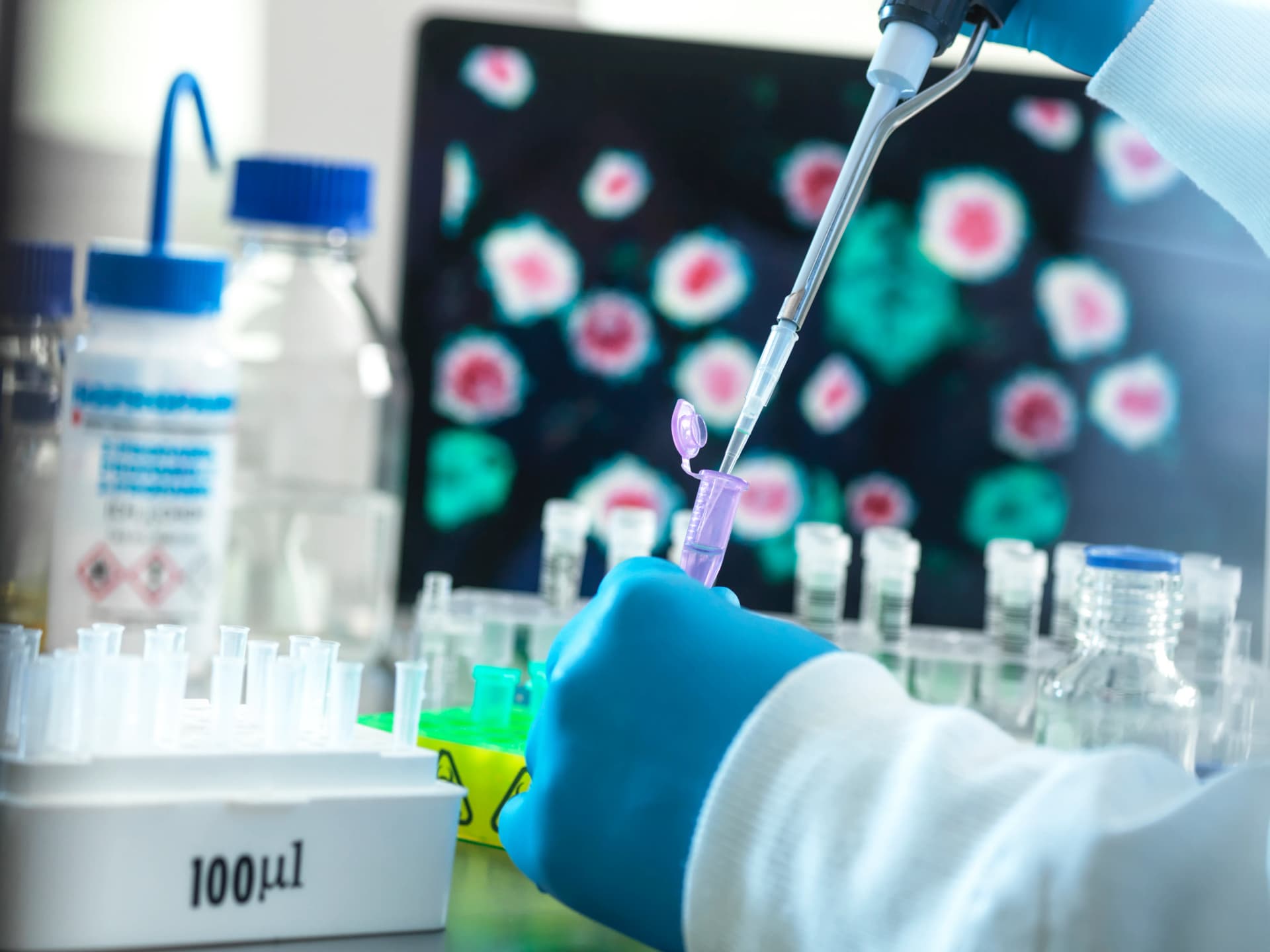
A clinical trial refers to a research procedure carried out to scientifically verify the safety and therapeutic effects of a new drug or a drug under development when it is used in the human body.
It comprehensively examines the drug's process of action within the body, the clinical response, and the presence of side effects, and it is performed in human subjects according to strict standards and procedures.
 Main Purposes
The main purposes of a clinical trial are as follows.
Category | Main Purpose |
Confirming Safety | Verifying potential risk factors and the presence of side effects that may arise from use of the drug |
Proving Efficacy | Scientifically demonstrating the therapeutic effect on a disease |
Setting the Appropriate Dose and Method | Deriving the most effective and safe dosage and method of administration |
Comparison with Existing Treatments | Evaluating clinical efficacy and improvement relative to standard treatments |


2. Clinical Trials | New Drug and Medical Device Development Process
A clinical trial is a core procedure that scientifically verifies safety and efficacy during the development of a new drug or medical device.
Once a candidate substance or prototype is identified through research, basic safety is confirmed in the nonclinical phase, after which an Investigational New Drug (IND) application is submitted.
After approval, Phase 1, Phase 2, and Phase 3 clinical trials are conducted in sequence, and once all procedures are complete, a New Drug Application (NDA) is filed for review by regulatory authorities such as the MFDS and the FDA.
After final approval, the product is applied in actual medical practice through market release.
Nonclinical Studies
A nonclinical study is a phase carried out before clinical trials involving human subjects.
In this phase, it is confirmed whether the developed candidate substance or medical device prototype has a level of safety and basic efficacy suitable for application in the human body.
Such nonclinical studies also include a process that evaluates safety and the mechanism of action using not only animal testing but also various alternative test methods, such as organoid-based tests that replicate the structure and function of human tissue.
IND Approval
For a pharmaceutical developer to conduct a clinical trial, it must submit an IND (Investigational New Drug application) to the Ministry of Food and Drug Safety (MFDS).
The IND application must include detailed information on the clinical trial plan and on the safety of the investigational medicinal product (IMPD).
To submit an IND, a pharmaceutical company must prepare materials such as the following.
· Investigator's Brochure (IB)
· Materials certifying that the investigational medicinal product was manufactured in accordance with Good Manufacturing Practice (GMP)
· Materials on the manufacture and quality of the investigational medicinal product
· Nonclinical study result data
· Data on prior clinical use experience of the test drug (only where it can be submitted)
· Materials on the clinical trial sites, sample analysis institutions, investigators, and contract organizations
· Compensation rules for clinical trial subjects who suffer harm
· Informed consent form for trial subjects
· Clinical trial protocol (Protocol)
The Ministry of Food and Drug Safety reviews the submitted materials and then decides whether to approve the clinical trial.
In addition, if a sponsor wishes to change the trial during its course in a way that differs from the previously approved IND, it must meet the requirements again and apply for approval of the IND change.
For example, this includes a change of the active-ingredient manufacturer, changes to the investigational medicinal product, and increases or decreases in dose.
Phase 1 (Clinical Pharmacology Studies, etc.)
A Phase 1 clinical trial is conducted in healthy volunteers, on a scale ranging from a few to several dozen people.
In this phase, the focus is on evaluating safety, including the absorption, distribution, metabolism, and excretion of the new drug or medical device within the body, along with the presence of any adverse reactions.
Phase 2 (Therapeutic Exploratory Trials, etc.)
A Phase 2 clinical trial is conducted in a small number of patients who have the relevant disease, generally on a scale ranging from several dozen to several hundred people.
In this phase, the appropriate dosage and dosing regimen of the new drug or medical device are set, and efficacy and the possibility of indication are evaluated against the actual disease.
Phase 3 (Therapeutic Confirmatory Clinical Trials, etc.)
A Phase 3 clinical trial is conducted with a large number of target patients, ranging from several hundred to several thousand participants.
At this stage, the safety and efficacy of the new drug or medical device are confirmed on a larger scale, and the efficacy, effects, dosage and administration, and precautions for use are set out in specific terms.
Application for Product Approval
Once a clinical trial is completed, an application for product approval is filed with the MFDS or an overseas regulatory agency based on the safety and efficacy data obtained.
For a new drug, the following materials must be submitted, while for drugs requiring data submission, only the necessary safety and efficacy data are selected and submitted from among these.
· Quality and test method data
· Drug substance registration data
· GMP evaluation data, etc.
For generic drugs, bioequivalence test data and quality data are submitted in place of toxicity and clinical data to demonstrate equivalence to the reference drug.
During the review process, a GMP conformity assessment, a review of patent relations, and, if necessary, consultation with the Central Pharmaceutical Affairs Council are carried out together, and final product approval is granted when all requirements are met.
3. Clinical Trials | Changes in the Organoid-Based New Drug Development Environment
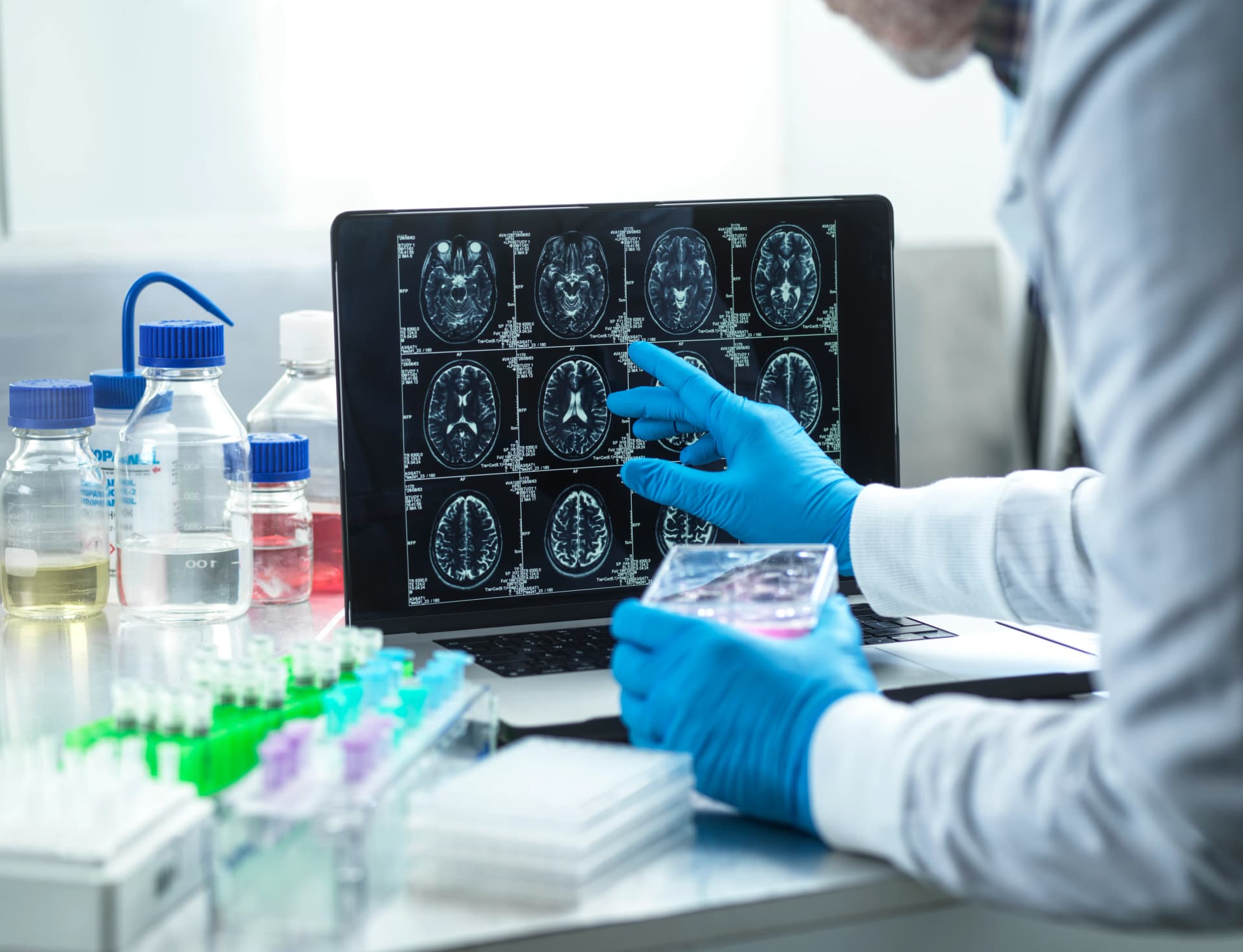
In clinical trials, organoids are three-dimensional (3D) cell models that have a structure similar to actual human organs, and they are used as a preclinical evaluation technology that supplements or partially replaces animal testing.
In particular, because they can verify the toxicity, drug efficacy, and drug responsiveness of new drug candidates in a way that is closer to the human environment, they are regarded as a core technology that can improve the precision of the research and development stage.
Changes in the Global Regulatory Environment and the Expansion of Alternative Test Methods
As major regulatory bodies, including the U.S. FDA, have begun to gradually reform the existing nonclinical evaluation system centered on animal testing, alternative test methods (NAMs), including organoids, are establishing themselves as a core element of new drug development strategy.
This is not merely a change in research methods, but a development that is bringing substantial changes to the way IND approval materials are composed and to the overall standards for nonclinical data requirements.
The Actual Impact on IND Approval Strategy
Organoid-based data supplement existing animal testing materials and are used in the IND approval process.
This allows for setting the safety range of a drug and estimating the initial dose, and it also serves as an important basis for judgment in the early stage of clinical trial design.
Accordingly, pharmaceutical companies and research institutions are increasingly taking a strategic approach to reviewing whether to use organoids from the clinical trial protocol design stage.
Limitations of Animal Testing Alternative Technologies and Complementary Strategies
Organoids have the strength of being able to partially reproduce the structure and function of actual human organs, but technical limitations still remain in fully implementing complex physiological environments such as the vascular system, the immune system, and the microbial environment.
To compensate for these limitations, a combined preclinical strategy is being applied that uses multi-organoid systems connecting multiple organ organoids together with AI-based drug response prediction models in parallel.
4. Clinical Trials | Tailored Response Strategy

A clinical trial is not a simple research procedure but a high-risk field in which licensing, administrative investigation, and liability risks arise at the same time.
Even a small procedural defect at the research stage can lead to a delay in approval, an administrative disposition, or civil and criminal liability, so a prior legal review is necessary.
Daeryun Law Firm has many attorneys with relevant experience, ranging from medical attorneys with practical experience in the medical, bio, and pharmaceutical fields to attorneys who have served as advisers to the MFDS.
Accordingly, the firm structurally analyzes the regulatory risks faced at each stage and works together to design the strategy for responding to agencies and the direction of preparing materials.
If you need legal advice on clinical trials, please feel free at any time to 🔗a medical attorney to request assistance.
Legal Advisory and Procedural Support for Product Approval
· Establishing a response strategy to supplementation requests (supplementation instructions) and preparing written opinions
· Analyzing the grounds for approval rejection or suspension and designing a re-examination strategy
· Submitting administrative opinions during the approval review process and responding to inquiries
Regulatory Compliance Support for Clinical Trial Plan (IND) Approval
· Verifying the legality of documents submitted to the IRB (Institutional Review Board) and providing advice on supplementation
· Legal review of subject information materials and the Informed Consent Form
· Advisory on establishing a reporting system for adverse events (SAE, SUSAR)
Stage-by-Stage Legal Advisory for New Drug and Medical Device Development
· Analyzing legal risks when a trial is discontinued, the study design is changed, or the protocol is revised
·Advisory on establishing a safety management system required at the pre-market and post-market stages
· Preliminary analysis of the possibility of administrative sanctions and the scope of liability at each stage
Review of Regulations on Organoids and Advanced Regenerative Medicine
· Analyzing potential conflicts among the Advanced Regenerative Medicine Act, the Bioethics Act, and the Pharmaceutical Affairs Act
· Review of the applicability of separate approval or special procedures
· Advisory on whether a technology is subject to new technology assessment and on the strategy for selecting the applicable system
Review of Clinical Trial Contracts and Dispute Response
· Advisory on liability limitation clauses, the scope of damages, and insurance structure design
· Designing a structure to prevent disputes over data ownership and the attribution of intellectual property rights
· Establishing a response strategy in the event of disputes over clinical trial delays, discontinuation, or data reliability
See More