
CONTENTS
- 1. Punishment of a Passenger for Drunk Driving | Criteria

- - Requirements for Establishment
- - Types of Drunk Driving Passengers
- 2. Punishment of a Passenger for Drunk Driving | Level
- - Criteria for Punishment of Drunk Driving
- - What if You Lied That You Were the One Driving?
- - Actual Sentencing Levels Seen Through Case Law
- - What Should You Do to Receive Leniency?
- 3. Punishment of a Passenger for Drunk Driving | Methods of Response
- - If You Are Facing an Investigation?
- - If You Are Facing Trial?
- - Do You Need the Assistance of an Experienced Attorney?

1. Punishment of a Passenger for Drunk Driving | Criteria
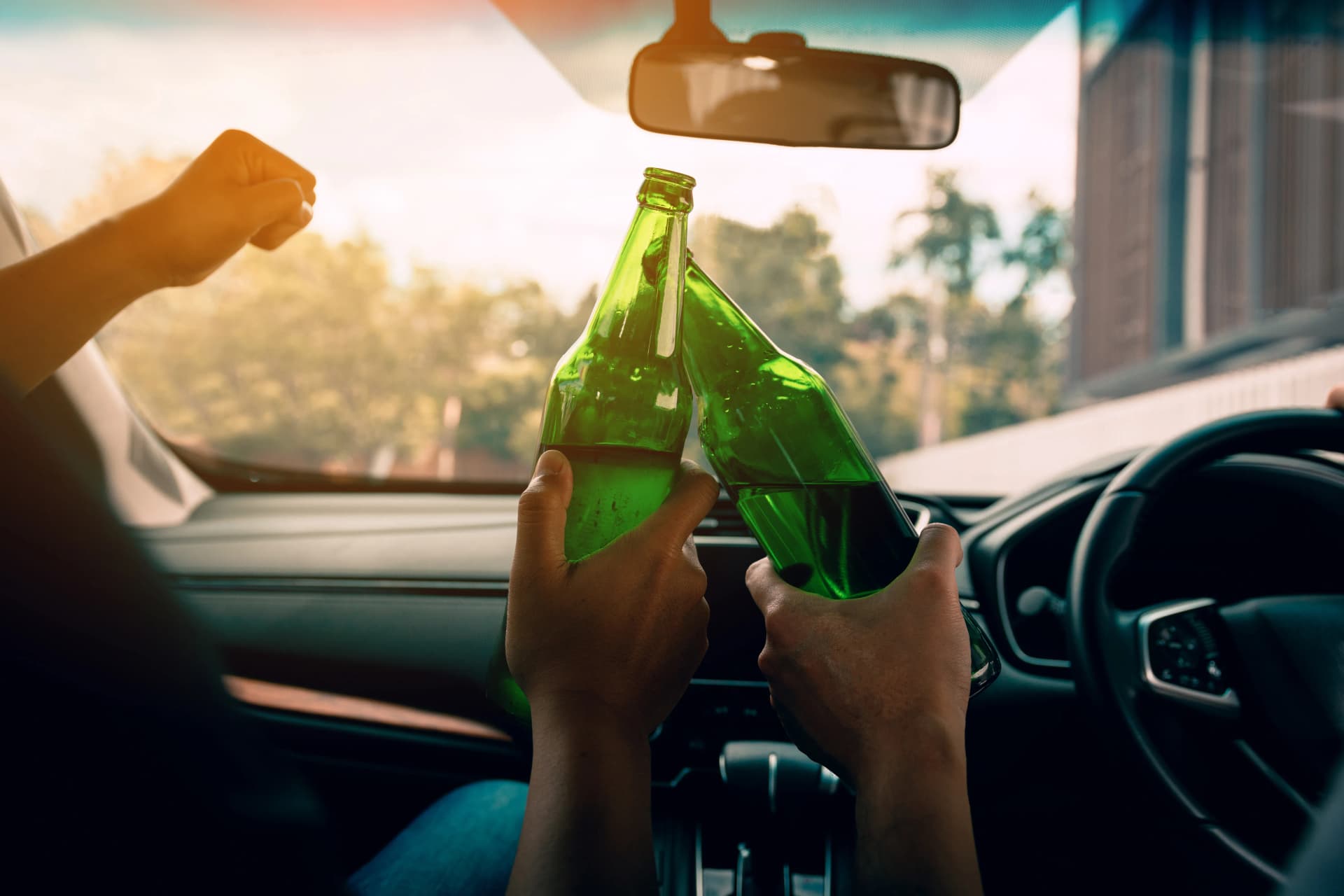
There are various interpretations and controversy as to whether a passenger can be punished for drunk driving.
Under the principle that the Criminal Act allows a person who participated in a crime to be punished as an accomplice, a passenger suspected of aiding the drunk driving may also be subject to punishment.
However, the passenger's ‘intent’ to aid the drunk driving must be clearly proven, and the determination is made by comprehensively considering various circumstances, such as the situation at the time.
 Requirements for Establishment
① Whether There Was Intent
If the passenger clearly recognized the fact that the driver had been drinking and, despite this, did not stop it and had the intention to aid it, the likelihood of punishment increases.
② Causal Relationship
A causal relationship between the passenger's conduct and the drunk driving must be proven.
③ A Specific Act of Aiding
Although it is rare to be punished for aiding and abetting merely on the basis of riding along, if there was a specific act, such as handing the vehicle key to the driver, there is a high likelihood that it amounts to aiding.


Types of Drunk Driving Passengers
If a person hands over the car key or helps with the driving while clearly aware that the driver is intoxicated, that person may be punished as a passenger in a drunk driving case.
In addition, the offense of aiding drunk driving may apply even to a person who is not a passenger, and there have been cases in which persons were punished for encouraging drinking or selling alcohol in an area where designated-driver service was unavailable.
- Handing over the car key while knowing the driver was intoxicated
- Helping the driver to be able to drive while intoxicated
- Encouraging or selling alcohol in an area where designated-driver service was unavailable, and so forth
2. Punishment of a Passenger for Drunk Driving | Level
In the case of punishment of a passenger for drunk driving, the punishment is imposed under the Criminal Act.
▶ Article 32 of the Criminal Act (Accomplice)
② The punishment of an accomplice shall be mitigated below that of the principal offender.
Punishment of a passenger for drunk driving is imposed under the Criminal Act.
Here, an ‘accomplice’ refers to a person who helps or aids the crime of another, and a ‘principal offender’ refers to the person who actually carried out the criminal act.
Accordingly, the level of punishment of a passenger for drunk driving varies depending on the extent to which the passenger contributed to the drunk driving.
Criteria for Punishment of Drunk Driving
These are the criteria for punishment of drunk driving according to blood alcohol concentration.
Blood Alcohol Concentration | Penalty |
0.2% or higher | Imprisonment with labor for not less than 2 years and not more than 5 years, or a fine of not less than 10 million won and not more than 20 million won |
0.08% or higher and less than 0.2% | Imprisonment with labor for not less than 1 year and not more than 2 years, or a fine of not less than 5 million won and not more than 10 million won |
0.03% or higher and less than 0.08% | Imprisonment with labor for not more than 1 year, or a fine not exceeding 5 million won |
What if You Lied That You Were the One Driving?
If a person goes beyond mere aiding and lies that he or she was the one driving, or causes confusion in the investigation, the offense of harboring or aiding the escape of a criminal may apply, and the following punishment may be imposed.
| Article 151 of the Criminal Act (Harboring a Criminal and Special Provisions for Relatives) | A person who harbors or aids the escape of another who has committed a crime punishable by a fine or heavier punishment shall be punished by imprisonment with labor for not more than 3 years or by a fine not exceeding 5 million won. |
Actual Sentencing Levels Seen Through Case Law
Busan District Court, Judgment of May 11, 2023, 2023 Godan 292
Daegu District Court, Judgment of July 20, 2022, 2022 Godan 1731 (severed)
What Should You Do to Receive Leniency?
When you face charges of aiding drunk driving, careful and systematic response from the early stage is indispensable.
First, you need to thoroughly establish the facts of the case and explain them accurately.
In particular, you must clearly demonstrate that you were merely a passenger and were not aware of the fact that the driver had been drinking.
In addition, if there was any attempt or action to stop the drunk driving, it should certainly be emphasized.
Along with this, carefully gathering evidence that can support these arguments is also important.
Dashcam footage in particular can serve as objective evidence and may be of great help during the investigation and trial, so it is advisable to secure it without fail.
▷ Vehicle dashcam footage that can show the situation at the time of the incident
▷ Testimony of nearby witnesses, and so forth
3. Punishment of a Passenger for Drunk Driving | Methods of Response
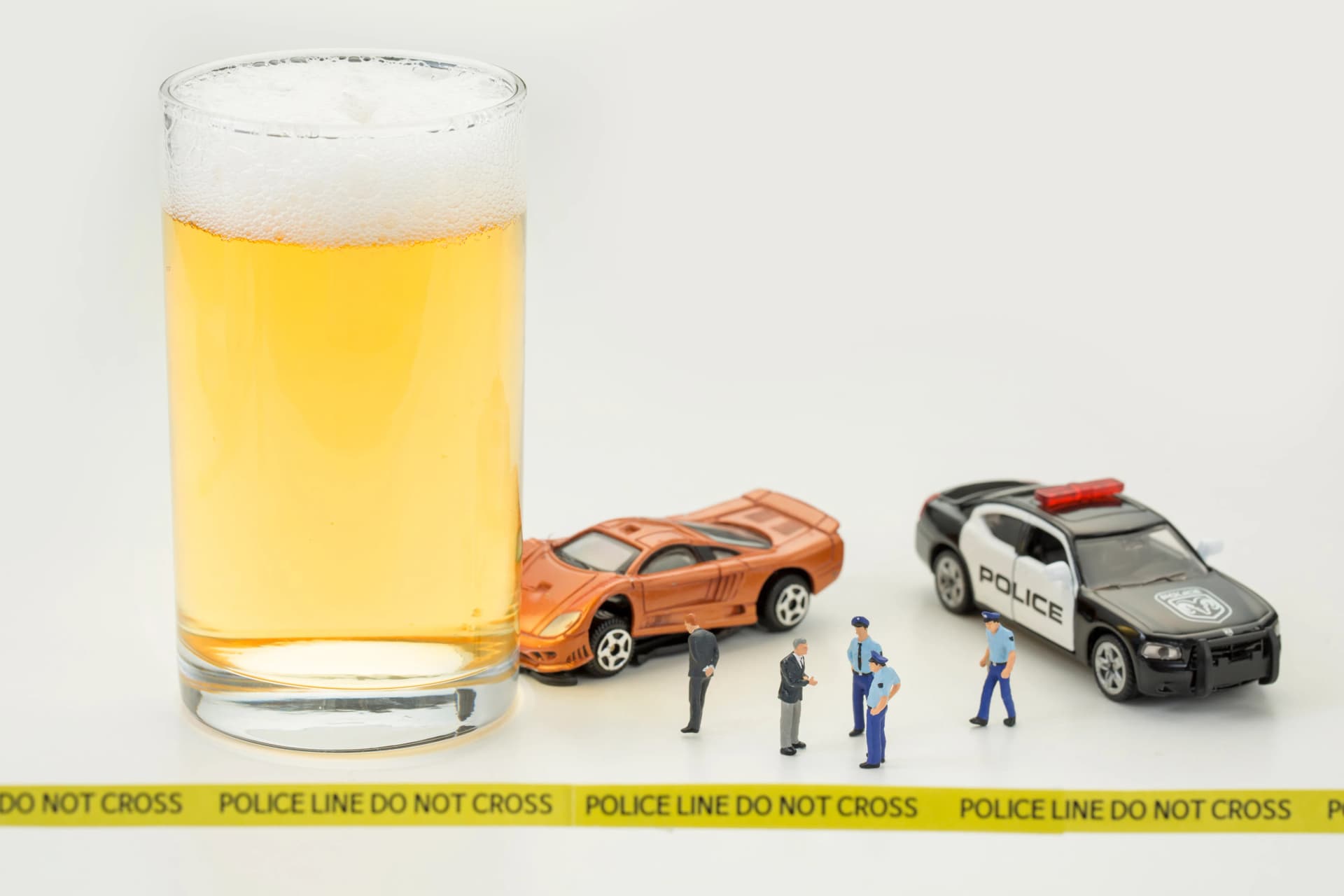
Punishment of a passenger for drunk driving is being strengthened together with the strengthening of punishment for drunk driving.
Accordingly, accurately understanding your own situation and preparing for it is most important.
If You Are Facing an Investigation?
When you face charges of aiding drunk driving, not only acknowledging the facts but also a positive attitude and active effort are very important in receiving leniency.
First, after the incident occurs, it helps to demonstrate that you made efforts to minimize the harm.
In addition, you should honestly acknowledge your fault and maintain an attitude that consistently shows a sense of remorse.
If you continuously express remorse and a willingness to prevent recurrence during the trial, this can have a positive influence on the court or the prosecution in considering leniency.
If You Are Facing Trial?
As the trial approaches, thorough preparation and a strategic response are important.
First, you should prepare specific statements so that you can convey your position clearly and consistently at trial.
Beyond merely denying or acknowledging the charges, it is necessary to explain in detail the situation at the time of the incident and your role.
In addition, because evidence plays a very important role in court, you should prepare to systematically organize and submit the dashcam footage, conversation records, and witness statements secured in advance.
During the trial, an attitude of restraining one's emotions and remaining composed is indispensable, and if you have retained an attorney, it also helps to practice anticipated questions and answers in advance through sufficient consultation before trial.
Finally, even while the trial is in progress, it is important to carefully attend to the procedures and legal measures needed to actively protect your rights.
Do You Need the Assistance of an Experienced Attorney?
The firm includes a number of experienced attorneys with an average of more than 10 years of practice, and it provides tailored response strategies that may help minimize the punishment in matters such as aiding and abetting drunk driving.
The firm also collaborates with its in-house evidence investigation center to analyze the central issues of a case promptly and precisely.
In addition, by working with its in-house evidence investigation center, the firm promptly secures key evidence such as dashcam footage, call records, and CCTV, objectively assesses the favorable and unfavorable factors of a case, and develops an effective line of defense.
If you face the risk of punishment for aiding and abetting a passenger in drunk driving, you may seek the assistance of a criminal defense attorney.
See More