
CONTENTS
- 1. Crime of Intrusion upon Habitation | Meaning

- - Requirements for Establishment
- - Differences from the Crime of Refusal to Leave
- 2. Crime of Intrusion upon Habitation | Types
- - Crime of Simple Intrusion upon Habitation
- - Crime of Special Intrusion upon Habitation
- - Crime of Nighttime Residential Burglary
- 3. Crime of Intrusion upon Habitation | Sentencing Levels
- - Sentencing Criteria
- - Actual Sentencing Levels Examined Through Cases
- 4. Crime of Intrusion upon Habitation | If You Are a Suspect
- - Amicable Settlement with the Victim
- - Submission of a Sincere Written Statement of Reflection
- - Prompt Legal Response and Strategy Development
- 5. Crime of Intrusion upon Habitation | If You Are a Victim
- - Securing Safety
- - Reporting to the Police
- - Securing Evidence
- - Filing a Criminal Complaint
- - Recovery of Damages
- 6. Intrusion upon Habitation | Finding It Difficult to Respond Alone?

1. Crime of Intrusion upon Habitation | Meaning
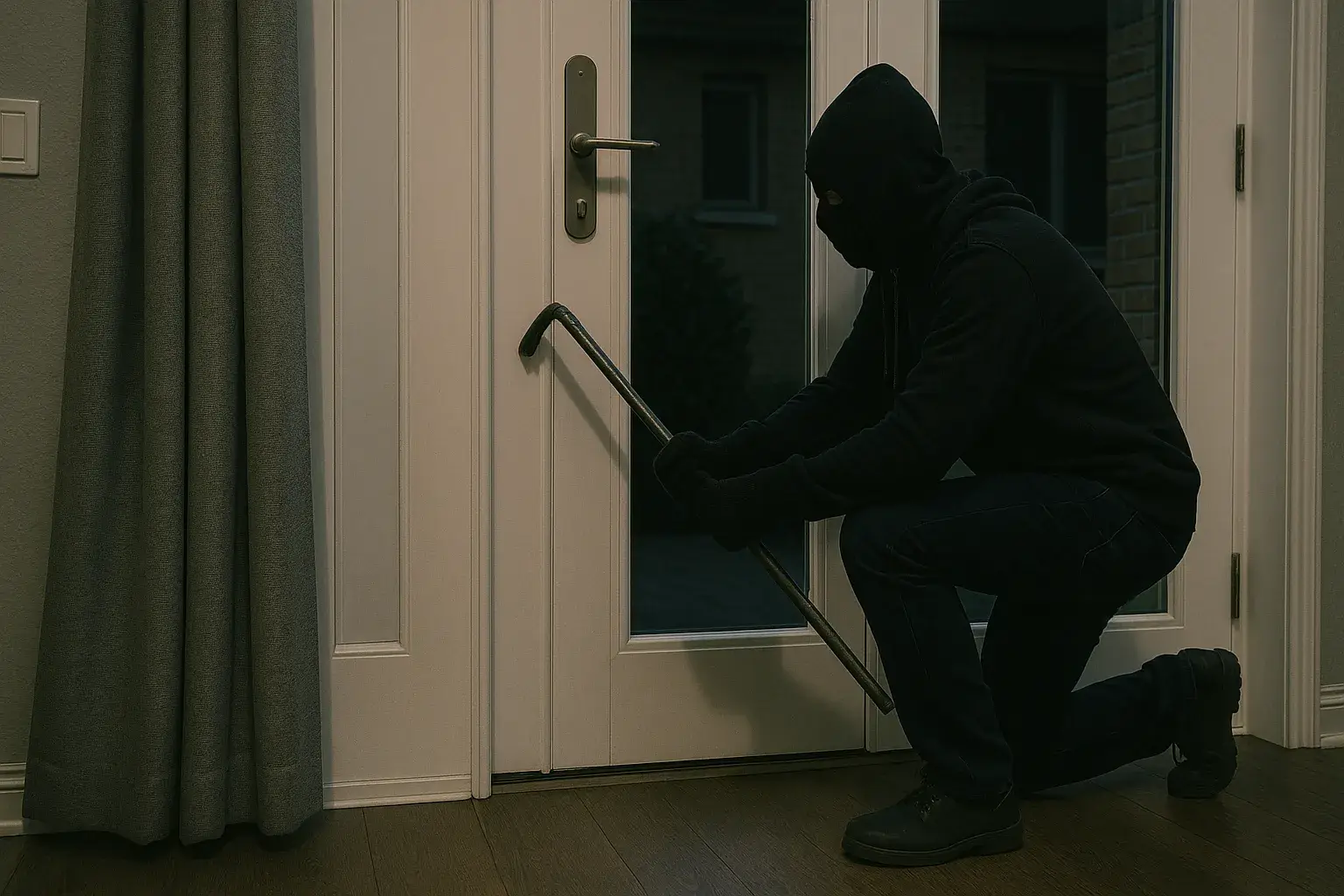
The crime of intrusion upon habitation is conduct that infringes upon the peace and safety of another person's residence or dwelling by entering it without permission.
Intrusion upon habitation is regarded as conduct that infringes upon a legal right protecting an individual's private domain and is therefore subject to criminal punishment.
Accordingly, it may be established even without accompanying violence or threats.
 Requirements for Establishment
The crime of intrusion upon habitation is established only where there is “intent.”
The requirements for establishing the crime of intrusion upon habitation are as follows.
Object | - A person's residence - A managed structure - A vessel or aircraft, or an occupied room |
Act |
Entering a residence in a manner that disturbs its actual peace
|
Intent |
The act must have been carried out intentionally
|
Differences from the Crime of Refusal to Leave
The crime of intrusion upon habitation and the crime of refusal to leave are both offenses provided for under the Criminal Act, and they punish conduct that infringes upon rights related to another person's residence.
The crime of intrusion upon habitation refers to entering another person's residence without authorization and without justifiable reason.
By contrast, the crime of refusal to leave (toegeobureung) refers to a case in which a person lawfully entered a residence but, upon receiving a demand to leave, refuses and does not depart.


2. Crime of Intrusion upon Habitation | Types
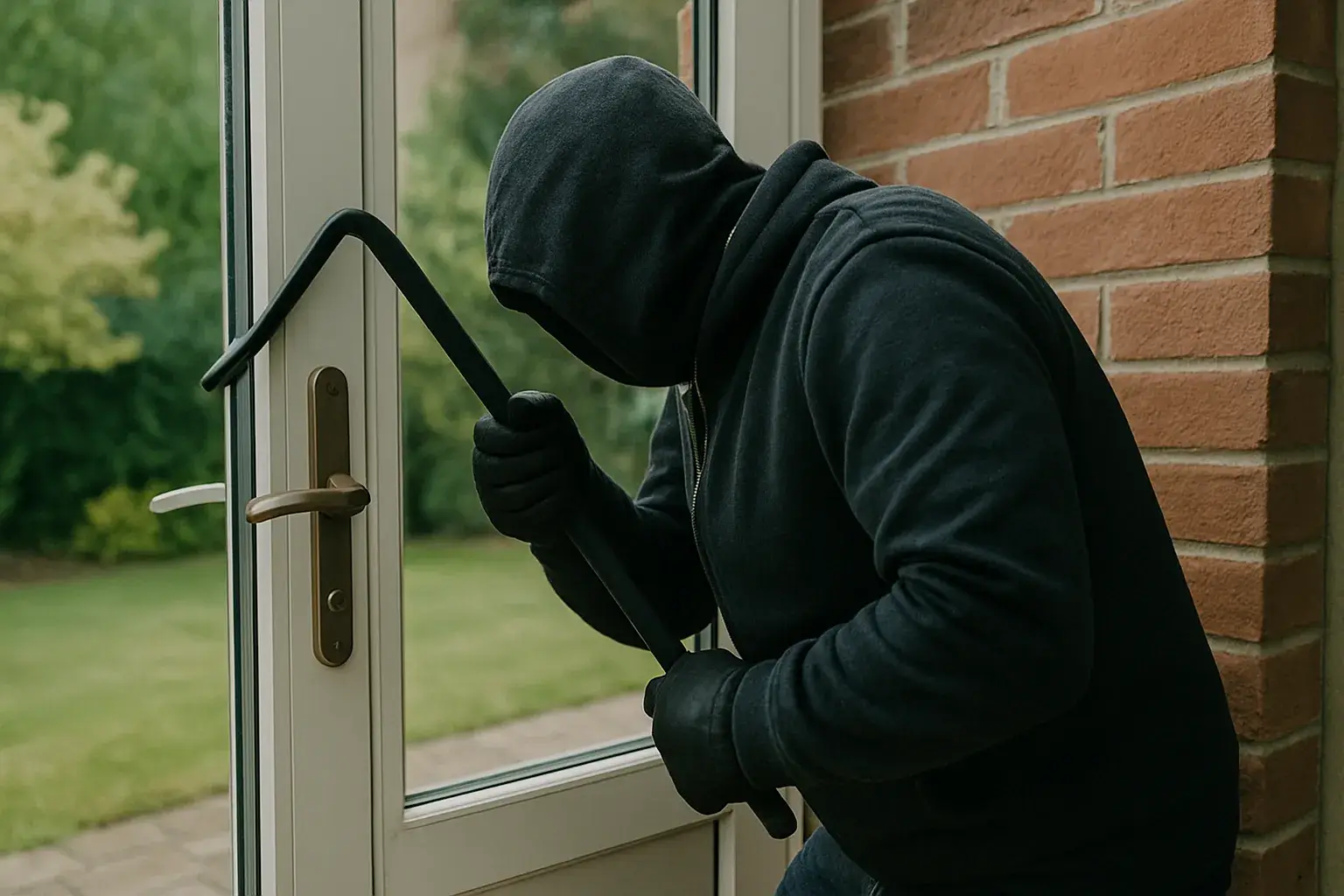
The crime of intrusion upon habitation can arise in various forms.
The principal types of intrusion upon habitation are as follows.
Crime of Simple Intrusion upon Habitation
Simple intrusion upon habitation refers to intentionally entering, without justifiable reason, another person's residence, structure, vessel, or the like.
Even where elements such as violence or threats do not accompany the intrusion, it is subject to punishment if it has infringed upon the peace of the other party's residence.
Crime of Special Intrusion upon Habitation
Special intrusion upon habitation refers to a case in which a person intrudes upon another's residence while acting as a group, relying on the collective force of a multitude, or carrying a dangerous object (such as a weapon).
Because it carries greater danger and threat than a simple intrusion, it is punished more severely under the Criminal Act.
Crime of Nighttime Residential Burglary
Nighttime residential burglary is an offense combining intrusion upon habitation and theft, and it applies in particular to a case in which a person intrudes upon another's residence at night and steals property.
Because the infringement of the residence and the property crime occur simultaneously, severe punishment is prescribed.
3. Crime of Intrusion upon Habitation | Sentencing Levels
The sentencing levels related to the crime of intrusion upon habitation are as follows.
Sentencing Level for the Crime of Simple Intrusion upon Habitation
| Article 319 of the Criminal Act | Imprisonment with labor for not more than three years or a fine not exceeding 5 million won |
Sentencing Level for the Crime of Special Intrusion upon Habitation
| Article 320 of the Criminal Act | Imprisonment with labor for not more than five years |
Sentencing Level for the Crime of Nighttime Residential Burglary
| Article 330 of the Criminal Act | Imprisonment with labor for not more than ten years |
Sentencing Criteria
General Criteria
▷ Where the offense was committed with willful negligence (dolus eventualis)
▷ Where the degree of infringement of the peace of the residence and the like is minor
▷ A motive for the offense worthy of consideration
▷ Mental and physical weakness
▷ Voluntary surrender or internal reporting
▷ The victim's wish not to seek punishment, or recovery of the harm
▷ Passive participation
▷ Genuine reflection
▷ No record of criminal punishment
Repeat Offense, Special Intrusion upon Habitation, and the Like
▷ Where the offense was committed with willful negligence (dolus eventualis)
▷Where the degree of infringement of the peace of the residence and the like is minor
▷ A motive for the offense worthy of consideration
▷ Where it amounts to refusal to leave
▷ Mental and physical weakness
▷ Voluntary surrender or internal reporting
▷ The victim's wish not to seek punishment, or recovery of the harm
▷ Passive participation
▷ Genuine reflection
▷ No record of criminal punishment
Actual Sentencing Levels Examined Through Cases
Suwon District Court, Yeoju Branch, Judgment of February 1, 2023, 2022GoDan944
Thereafter, the defendant intruded upon or attempted to intrude upon the victims' residences on a total of four occasions, some of which ended in attempts.
Daejeon District Court, Judgment of September 29, 2021, 2021GoDan1362
4. Crime of Intrusion upon Habitation | If You Are a Suspect
If you are involved in a case of intrusion upon habitation, it is very important to respond promptly and systematically.
Accurately understanding the legal procedures and responding appropriately plays a key role in reducing punishment.
Amicable Settlement with the Victim
One of the most important factors in reducing punishment for the crime of intrusion upon habitation is an amicable settlement with the victim.
Where the victim expresses an intention not to seek punishment, the court actively reflects this, and it has a significant effect in lowering the level of criminal punishment.
Submission of a Sincere Written Statement of Reflection
To reduce the sentence, it is necessary to clearly acknowledge one's wrongdoing and to express, in writing, an attitude of genuine reflection.
Submitting a written statement of reflection together with an attitude of active cooperation in the investigation may be assessed positively by the court and may help reduce punishment.
Prompt Legal Response and Strategy Development
It is important to promptly prepare a plan for legal response from the early stage of the case.
Closely analyzing the specific circumstances and evidence of the case to establish an optimal defense strategy has a significant effect on the reduction of the sentence or a determination of no charge.
In addition, a systematic response from the investigation stage onward can minimize unnecessary disadvantage.
5. Crime of Intrusion upon Habitation | If You Are a Victim
If you are a victim of the crime of intrusion upon habitation, securing your safety is most important when you first become aware of the intrusion, and you should report it to the police without delay.
Securing Safety
Upon becoming aware of an intrusion upon habitation, you should first promptly secure your own safety.
If the intruder is at the scene or is suspected of being present, you should immediately evacuate to a safe place, and if there are family members or cohabitants, you should have them evacuate together.
Reporting to the Police
Once safety is secured, you should immediately report the matter to 112 and request a police response.
When the police arrive, you should accurately explain the fact of the intrusion and the resulting damage, and cooperate faithfully with the investigation.
Securing Evidence
To prove the fact of the intrusion upon habitation, you should secure the following objective evidence as soon as possible.
If it is difficult to collect evidence directly, you should cooperate so that evidence can be secured smoothly during the police investigation.
▶ Evidence of the Scene Situation
• Photographs of traces left by the intruder (footprints, handprints, and the like)
• Photographs of tools used by the intruder (a damaged lock and the like)
▶ Video Material
• Review of CCTV footage from neighboring houses or nearby stores
• Request to secure dashcam footage from the area around the scene at the time of intrusion
▶ Entry Records and Witness Statements
• Witness statements or contact information
• A record of how and when the intrusion was discovered
Filing a Criminal Complaint
The victim may file a criminal complaint regarding the intrusion upon habitation.
A criminal complaint is the procedure of reporting the fact of the harm to a police station or the prosecutors' office, and once the complaint is received, an investigation begins and legal punishment may follow.
Recovery of Damages
If property damage or emotional harm has resulted from the intrusion upon habitation, you may seek compensation for it.
Based on the facts of the harm and the related evidence, you may proceed through civil procedures and obtain appropriate compensation.
6. Intrusion upon Habitation | Finding It Difficult to Respond Alone?

Intrusion upon habitation is regarded as an infringement of another person's private space, so it should be kept in mind that, where the offense is established, the punishment is by no means light.
This firm includes a number of criminal attorneys who have an average of more than 10 years of experience, and from the early stage of a case it forms a 1 to 20 task force to prepare a tailored legal response suited to the circumstances.
In particular, through its own evidence investigation for analyzing the intrusion route and collecting evidence at the scene, and through collaboration with a digital forensics center, it promptly secures CCTV footage, entry records, digital traces, and the like, thereby clearly establishing the substance of the case.
In addition, for civil matters such as claims for damages connected with intrusion upon habitation, it provides comprehensive legal services in cooperation with civil attorneys.
If you are facing difficulties due to intrusion upon habitation, you may request a consultation with a criminal attorney at Daeryun Law Firm.
See More


Watch related video content
for this case study.

Criminal Deposit Q&A 🔎 Ask anything! 👀