
CONTENTS
- 1. Illegal Filming Using a Camera | Concept

- - Legal Elements and Level of Punishment
- - The Personal Information Registration and Employment Restriction System
- - Representative Types of Illegal Filming Using a Camera
- 2. Illegal Filming Using a Camera | Reviewing Precedents
- 3. Illegal Filming Using a Camera | Response Methods
- - Response Strategy from the Suspect’s Position
- - Response Strategy from the Victim’s Position
- - Points to Note in Illegal Filming Using a Camera

1. Illegal Filming Using a Camera | Concept
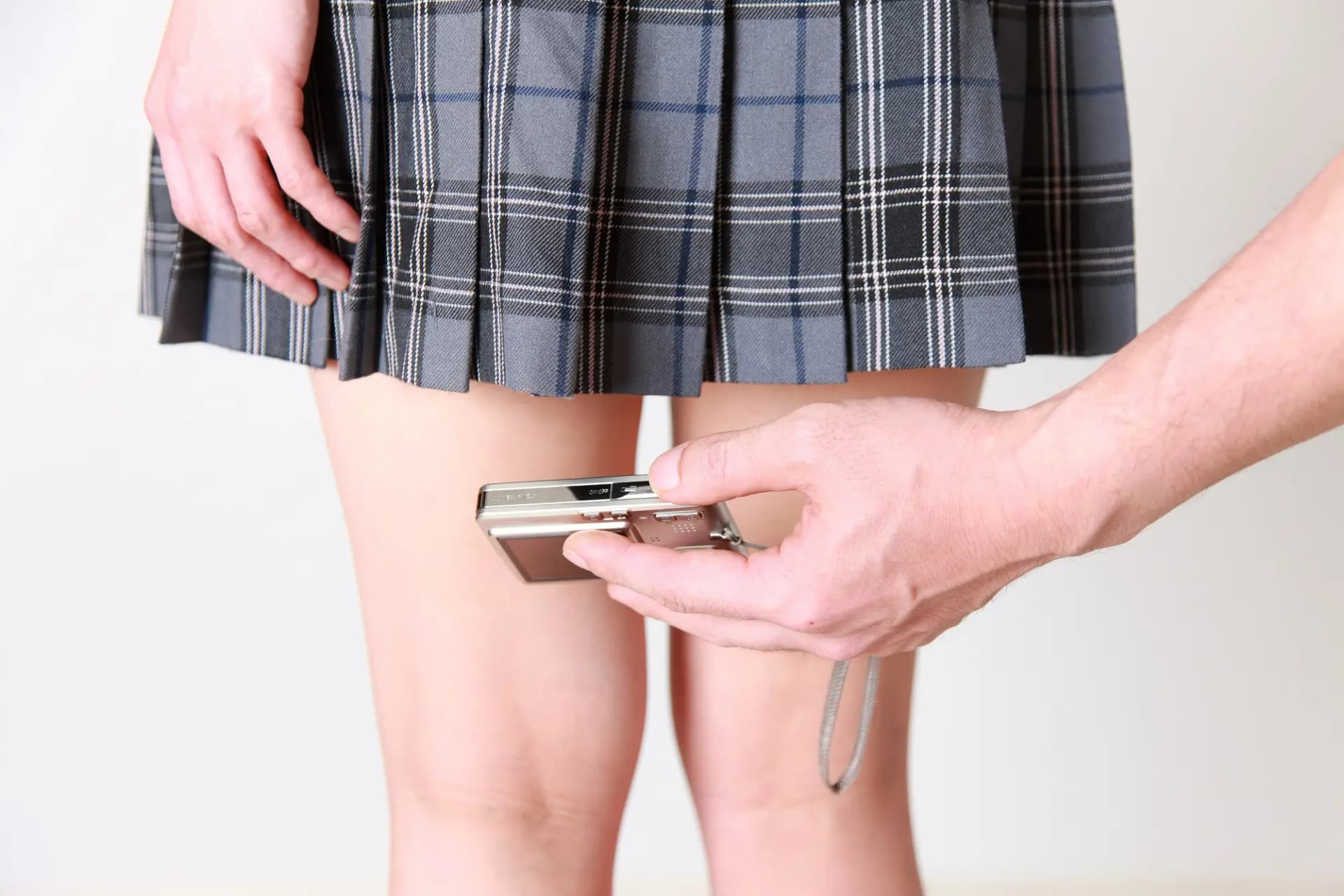
Illegal filming using a camera, put simply, refers to hidden-camera filming, and it is established when a person uses a camera, a mobile phone camera, or the like to film a subject against that subject’s will.
Illegal filming using a camera is the most representative type of digital sex crime, and it encompasses all conduct that uses a camera or similar device to film another person’s body against that person’s will, or to store, distribute, or use such material for threats and the like.
Moreover, this offense is evolving into a broad crime that, beyond mere illegal filming, encompasses an entire series of digital sexual violations, including the distribution of filmed material, threats to distribute it, synthesis and editing, storage and viewing, and consumption.
 Legal Elements and Level of Punishment
▶Illegal Filming
-Conduct element: filming, against another person’s will, a body capable of arousing sexual desire or causing humiliation
-Statutory penalty: imprisonment for not more than seven years or a fine of not more than 50 million won
-Standard under precedent: the ‘possibility of causing sexual humiliation’ is judged comprehensively from the perspective of an average person, taking into account the victim’s attire and the angle and distance of filming
▶Distribution and Redistribution
-If distributed without consent: imprisonment for not more than seven years or a fine of not more than 50 million won
-If filmed with consent but later distributed without consent: punished in the same manner
-If distributed for profit: imprisonment for a limited term of not less than three years (Article 14(3))
-The meaning of distribution: even providing it to a single person is recognized as ‘distribution’ if it has a repetitive or continuing character
▶Threat and Coercion Using Filmed Material
-Threat: threatening to distribute sexual filmed material → imprisonment for a limited term of not less than one year
-Coercion: inducing sexual conduct or demanding money through a threat to distribute → imprisonment for a limited term of not less than three years
▶Possession, Viewing, and Storage
-Merely downloading, keeping, or viewing filmed material is punishable by imprisonment for not more than three years or a fine of not more than 30 million won
The Personal Information Registration and Employment Restriction System
When a person is convicted of a sex crime, security measures such as personal information registration and employment restriction follow.
A conviction for illegal filming using a camera may carry the following disadvantages.
-Employment restriction order: employment is barred at related institutions such as daycare centers, schools, and hospitals
-Registration with the Sex Offender Notification e-System: offenses against adults may also be subject to disclosure
Representative Types of Illegal Filming Using a Camera
Type | Example |
Hidden-Camera Filming in Public Places | Filming up a skirt on a subway, bus, stairs, and the like |
Illegal Filming in Private Spaces | Installing a hidden camera in a motel, restroom, fitting room, and the like |
Revenge Pornography Between Partners | Distributing sexual filmed material after a breakup |
Synthesized Pornography | Inserting the victim’s face into a pornographic image and distributing it |
Group-Chat and Web-Hard Distribution | Distributing or redistributing on social media and online communities |


2. Illegal Filming Using a Camera | Reviewing Precedents
The following reviews precedents on illegal filming using a camera.
1. Case of Filming the Lower Body of a Woman Wearing Leggings
In a case in which a person secretly filmed the lower body of a woman wearing leggings on a bus, the Supreme Court reversed the not-guilty judgment of the appellate court and remanded the case with an instruction to find the defendant guilty.
It held that leggings, even as everyday clothing, can be a subject capable of causing sexual humiliation, and that filming cannot be deemed not guilty merely on the ground that the part filmed was one ordinarily within view.
This judgment is a case that made clear that the filmer’s intent and the content of the footage are the key criteria for determining illegal filming.
2. Screen Recording During a Video Call Does Not Constitute Illegal Filming
As to the act of recording, with a mobile phone, the nude image of the other party during a video call, the Supreme Court held that because it is not the filming of the body directly but the storing of a received image, the offense of illegal filming using a camera is not constituted.
It noted, however, that where such footage is distributed or used for a threat, punishment is possible under separate offenses of threat or distribution.
3. The Meaning of ‘Filming’ of Filmed Material and the Time of Commencement
The meaning of ‘filming’ under the Act on Special Cases concerning the Punishment of Sexual Crimes is not the act of directing the lens itself; rather, the offense is established from the moment the image information is entered into a storage device.
The Supreme Court deems the act of thrusting a mobile phone beneath a skirt, or inserting it into the lower space of a toilet stall, to be the commencement of the offense of filming.
4. Identity Between the Distributor and the Filmer Is Not Required
The Supreme Court held that identity between the distributor and the filmer is not required.
Accordingly, a mere distributor may also be subject to the same punishment.
This is a case showing that even a mere forwarder within social media, a group chat, or an online community may be subject to punishment.
3. Illegal Filming Using a Camera | Response Methods

The following reviews response strategies for illegal filming using a camera.
We will review them from the suspect’s position and the victim’s position.
Response Strategy from the Suspect’s Position
▶Early Investigation: Exercising the Right to Remain Silent and Preparing for Forensic Analysis
-Respond calmly after confirming the warrant during a search and seizure
▶Statement Strategy: Concrete Explanation Rather Than Denial of the Charge
-Rather than an unconditional denial of ‘I did not film,’ explain that the act was accidental or unintended
-Substantiate that filmed material does not exist, or, even if it exists, the circumstances and timing of its deletion
-Argue, based on the angle and distance of filming and on the attire, that there was no purpose of causing sexual humiliation
▶Evidence Analysis: Whether Filmed Material Exists and the Circumstances
-If there is no filmed material, consider arguing ‘attempt’ or absence of the charge
-Even if filmed material exists, respond according to the gravity of the charge by examining whether there was consent, the purpose of storage, the scope of access, and the like
▶Points of Defense
-Arguing accidental, non-intentional filming
-Explaining the absence of filmed material and the circumstances of storage
-Emphasizing that the area filmed is not one capable of causing sexual humiliation
-Actively submitting grounds for leniency such as being a first-time offender, a letter of reflection, and voluntary surrender
Response Strategy from the Victim’s Position
▶Collecting Evidence Is the Top Priority
-Capturing the circumstances of filming or distribution and saving the links
-Organizing the circumstances of the case in chronological order
-Analysis may be supplemented with forensic assistance
▶Requesting Blocking and Deletion of Distribution
-Report to the police or the Digital Sex Crime Victim Support Center
-Request deletion from the Korea Communications Standards Commission, portals, and the like
-Under the Network Act, a service provider has a duty to take immediate action upon a deletion request
▶Systems for Victim Protection and Prevention of Secondary Harm
If the victim has reported to the investigative authorities, the following protective measures are available.
-No-contact and provisional measures may be requested (separation from the offender)
-Comprehensive assistance through the Digital Sex Crime Victim Support Center, including deletion support, legal consultation, and psychological treatment
-Prevention of the spread of footage distribution through the police’s prompt deletion requests
Because harm from digital sex crimes can grow more severe through secondary harm as time passes, active early response is important.
▶A Complaint and a Claim for Damages Are Possible
-A civil claim for damages is possible together with a criminal complaint
-Consolation money may be claimed on grounds such as emotional suffering and infringement of personality rights
-If the distribution was widespread, defamation and insult may be added
A. Yes, even if you consented to the filming at the time, if you did not consent to the video being spread (distributed), it is a clear unlawful act.
Because filming and distribution require separate consent in this way, if you did not consent to distribution, the filmer or distributor is subject to punishment.
Points to Note in Illegal Filming Using a Camera
In illegal filming using a camera, clear physical evidence often remains, more so than in other sex crimes.
According to data from the National Police Agency and the Supreme Prosecutors’ Office, approximately 7,000 cases occurred as of 2023, and the arrest rate reached 80 percent.
In particular, a characteristic is that there are many cases in which it is difficult to deny the charge due to on-scene arrest, CCTV, digital forensic recovery, and the like.
In the case of illegal filming using a camera, as social awareness has grown, both the prosecution and the court maintain a stance of strict punishment, so even simple filming may carry a strong possibility of a heavy sentence where distribution or threats are involved, or where the victim is a minor.
Accordingly, a strategic legal response that contests detailed issues such as the circumstances of filming, the method of storage, and intent is required.
From the suspect’s position, one must approach the matter carefully based not only on whether filming occurred but also on the subject of filming, the angle, the circumstances of storage, the presence or absence of intent, and the results of forensic analysis.
From the victim’s position, a comprehensive response is needed, including not only a criminal complaint but also requests to delete illegally filmed material, measures to prevent secondary harm, and a civil claim for damages.
This firm has attorneys experienced in sex crime cases collaborating with experts at the Evidence Investigation Center and the Digital Forensics Center to mount a task-force response.