


Deals & Cases
Fleeing After Drunk Driving | Summary Order for a Client Who Fled After Refusing a Breath Test Following Drunk Driving
The client, who was arrested in the act of fleeing after drunk driving, sought out an attorney experienced in drunk driving cases after becoming involved in a criminal matter, having refused a breath test three or more times at the scene.
1. The Client Arrested for Fleeing After Drunk Driving
The client, who was arrested for fleeing after drunk driving following his refusal to comply with the officers' demand for a breath test three or more times, requested assistance from an attorney experienced in drunk driving cases ahead of police questioning.
The Circumstances of the Refusal of the Breath Test
After drinking at a restaurant, the client drove home in a passenger car and, on the way, caused an accident by striking a guardrail at the side of the road.
The officers who responded to the accident report demanded a breath test at the scene, but the client, fearing criminal punishment, refused it and left the scene.
A breath test was subsequently attempted, but the reading did not register properly, so the matter ultimately amounted to a refusal of a breathalyzer test, and the client became involved in a drunk driving case.
Stating, "I had no intention whatsoever of fleeing after drunk driving," the client requested the assistance of an attorney experienced in drunk driving cases to resolve the matter.
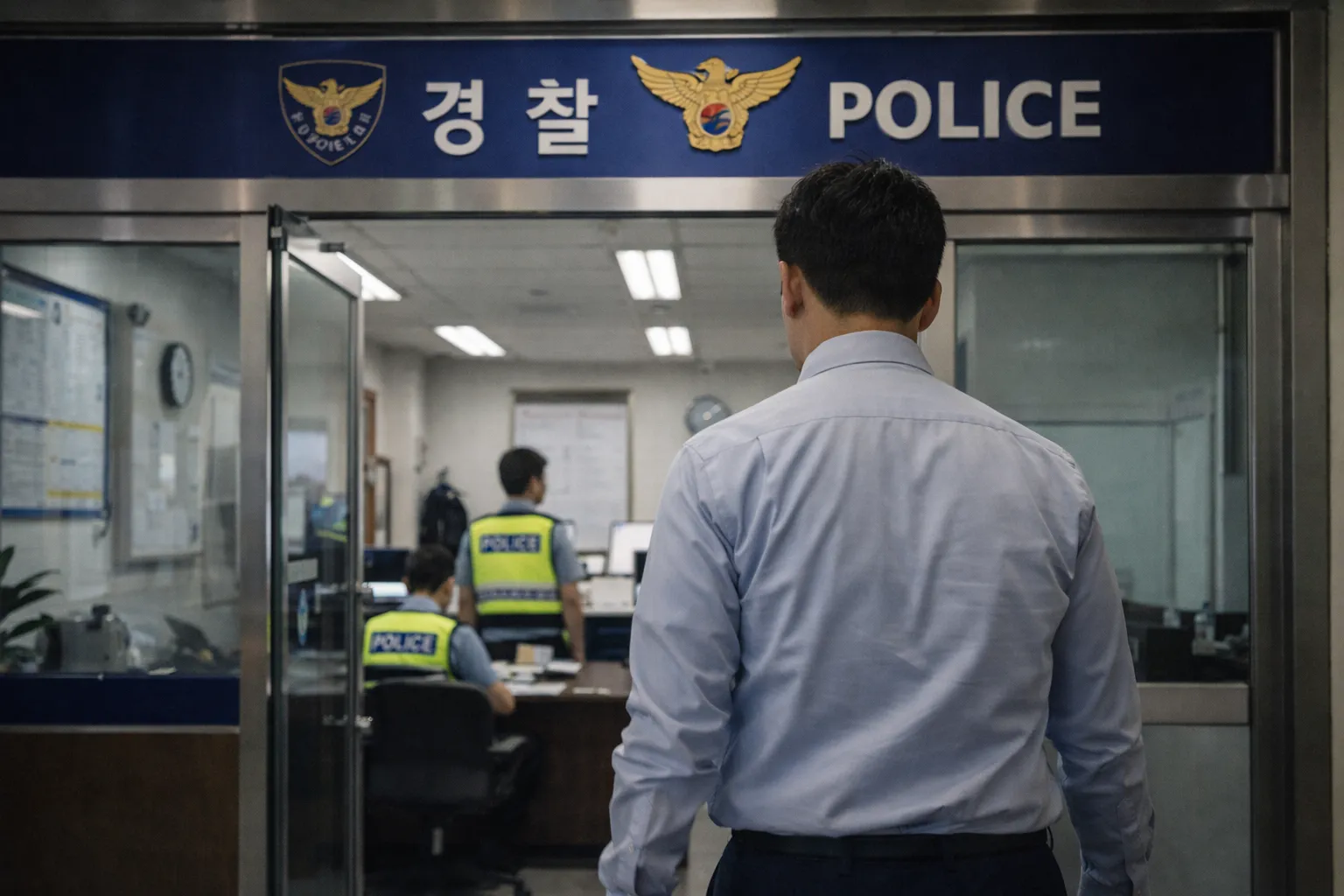
2. Assistance Provided in the Case of Fleeing After Drunk Driving
In the case of fleeing after drunk driving, the attorney comprehensively reviewed favorable mitigating factors, including whether the client was a first-time offender, the client's voluntary remorse, the concrete efforts made to prevent recidivism, and the petitions for leniency from family and acquaintances.
On this basis, the attorney established a systematic response strategy so that the investigative authorities and the court would give the fullest possible consideration to leniency in assessing the case.
Suwon District Court, Judgment of August 18, 2022, 2022No2546
Relying on this precedent, the attorney also formulated and pursued a strategy in the client's case aimed at securing favorable sentencing and leniency.
Voluntary Remorse and Measures to Prevent Recidivism
From immediately after the incident, the client deeply recognized his wrongdoing and was sincerely remorseful.
Accordingly, the attorney experienced in drunk driving cases emphasized to the investigative authorities that the client's remorse was not merely words but was being translated into actual conduct, highlighting that the following concrete efforts were underway.
· Payment of the costs to repair the property damage caused by the traffic accident
· Completion of drunk driving prevention education and a pledge
Demonstrating Social Reputation and a Sense of Responsibility
The client had ordinarily performed his work diligently and fulfilled his social responsibilities.
Accordingly, the attorney experienced in drunk driving cases obtained petitions from colleagues and systematically emphasized the client's customary diligence and sense of responsibility so that the investigative authorities could give them due consideration.
In addition, the attorney organized the client's record of charitable activities and submitted donation receipts as evidence.
The attorney experienced in drunk driving cases strategically used these materials to establish the client's good social reputation and sense of responsibility, and to ensure that they were actively reflected as grounds for leniency.
Securing Leniency by Emphasizing First-Time Offender Status and a Momentary Lapse in Judgment
The client's act of fleeing after drunk driving and refusing the breath test arose from a momentary lapse in judgment, stemming from his fear of criminal punishment immediately after the accident.
The client subsequently came to a deep realization that his conduct had been wrong and made efforts to set matters right, voluntarily visiting the police station to request a re-test.
Accordingly, the attorney experienced in drunk driving cases actively emphasized to the investigative authorities that the client was a first-time offender and his voluntary willingness to reflect, clearly conveying that the matter was a momentary lapse in judgment and providing assistance so that the client could receive the greatest possible leniency.
3. Outcome of the Case of Fleeing After Drunk Driving: 'Summary Order Imposing a Fine'
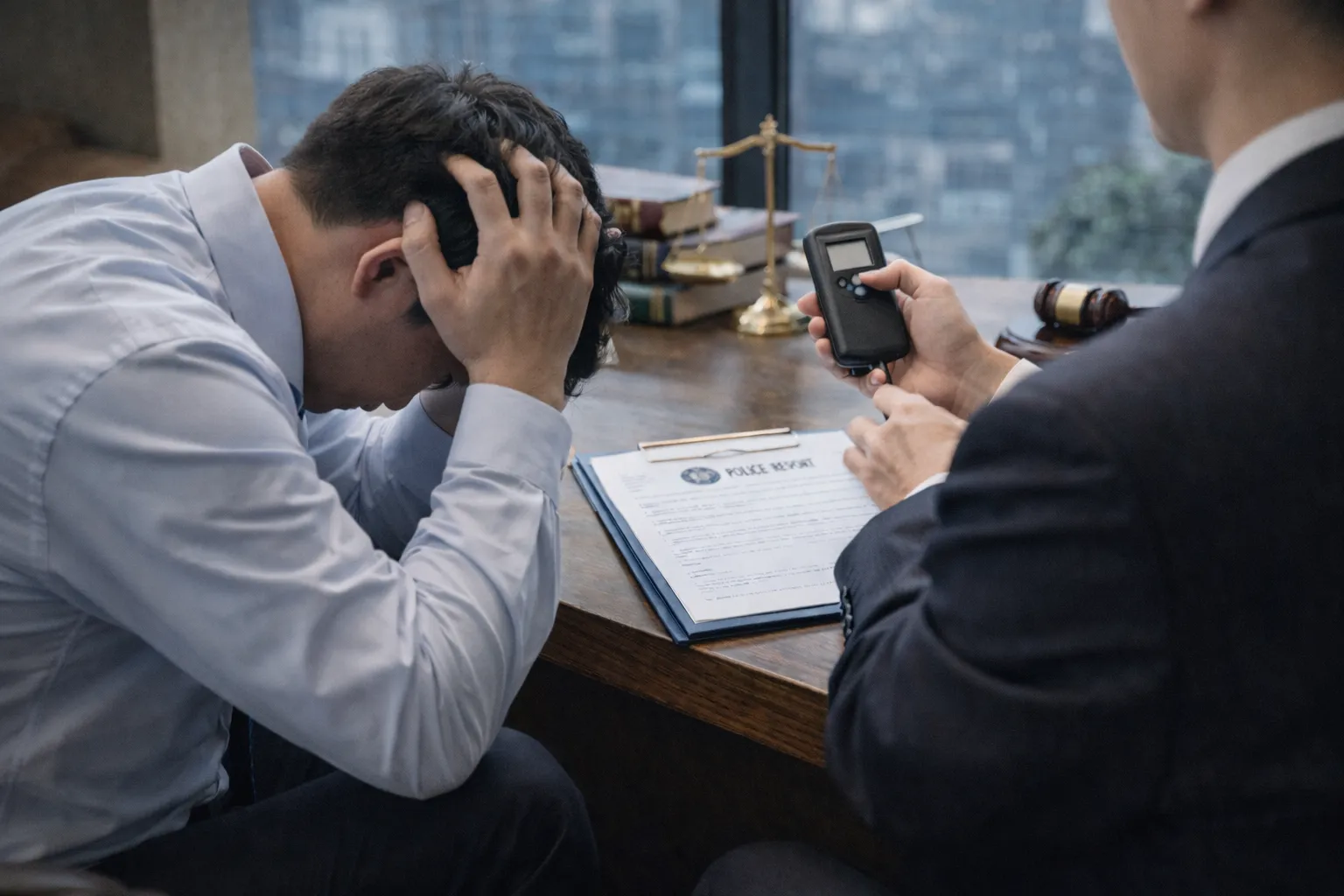
In the case of fleeing after drunk driving, the court, taking into account the mitigating circumstances and the client's remorse and concrete efforts, issued a summary order imposing a fine.
In response, the client expressed deep gratitude, saying, "Thanks to my attorney, I was able to minimize the punishment, and I feel great relief and appreciation."
What Is a Summary Order?
A summary order is a procedure for minor criminal cases punishable by a fine, a minor fine, or confiscation, in which the court promptly imposes a fine based solely on the written materials submitted by the prosecutor, without a public trial.
The defendant may object by requesting a formal trial within seven days from the date the summary order is served.
4. Standards for Punishment of Fleeing After Drunk Driving
Fleeing after drunk driving mainly occurs when a person fails to comply with a police sobriety checkpoint, drives away from the scene, and then ignores a stop order or refuses a breath test.
Such conduct is regarded as a refusal of a breathalyzer test and as fleeing from enforcement, making it subject to criminal punishment, and it may be accompanied by administrative disadvantages such as suspension or revocation of the driver's license.
Level of Punishment for Refusal of a Breathalyzer Test
| Road Traffic Act, Article 148-2 | Imprisonment of not less than one year and not more than five years, or a fine of not less than 5 million won and not more than 20 million won |
Involved in a Drunk Driving Case?
If you have become involved in a criminal case for fleeing after drunk driving, it is important to take prompt and systematic measures at the early stage.
Daeryun has a number of experienced attorneys with extensive experience and know-how in cases of fleeing after drunk driving, and it handles such cases promptly with tailored strategies suited to the type and circumstances of each case.
In addition, where administrative disadvantages are anticipated, we collaborate with attorneys experienced in administrative matters to comprehensively pursue the necessary measures, such as remedies for the driver's license and responses to administrative dispositions.
If you have failed to comply with a police checkpoint or refused a breath test in connection with fleeing after drunk driving, you must consider not only criminal punishment but also administrative dispositions such as suspension or revocation of your license, so an early consultation with an attorney is essential.
Because the early response to a case is paramount, please promptly 🔗make a consultation reservation and request our assistance.

This content is based on actual cases handled by Daeryun Law LLC and has been partially adapted. All copyrights belong to Daeryun Law LLC.
Unauthorized reproduction, copying or distribution may result in legal action under applicable laws.


Refusal of a breathalyzer test: Want a faster, more detailed consultation?
Consult aspecialized attorney
Related Information
Explore legal information related to this case.
Penalty Points for a Fatal Accident: Disposition Standards a Traffic Accident Offender Should Confirm
A Vehicle-to-Pedestrian Accident: A Guide to Responding When Determining the Level of Punishment and Calculating the Settlement Amount
Sentencing Guidelines for Drunk Driving: Can Sentencing Materials Make a Reduction of Punishment for Drunk Driving Possible?
Daeryun's Key Strengths


Litigation strategy using Daeryun's own AI & IT technology

More than 240 key members

1,200+ cases handled per month
* 2025년 월평균 기준
Complies with Korean Bar Association Advertising Regulations Article 4 (1)
more strengths

Book a legal
consultation with an attorney
All consultations are reviewed by a specialized attorney first,
so they are conducted by appointment only.
Phone consultation
1800-7905
Available 24 hours a day, 365 days a year


Online consultation
We provide tailored
legal services for our clients.

Chat consultation
KakaoTalk channel
Daeryun Law LLC Attorneys
Related Members
View more


Key Case Studies
View moreRelated Practice Areas
View moreConsult in other languages


Popular Columns
View moreSentencing for Drunk Driving: the Severity of Punishment by Blood Alcohol Concentration and the Mandatory Ignition Interlock Device

The Twelve Categories of Gross-Negligence Traffic Accidents (twelve serious traffic-law violations under the Act on Special Cases concerning the Settlement of Traffic Accidents): From Insurance Compensation Rules to the Standards for Fines and Actual Custodial Sentences in Car Accidents
A Complete Guide to Methods for Calculating Fault Ratios in Automobile Accidents and Dispute Resolution Approaches
Examining the Strengthened Punishment Standards for Hit-and-Run and First-Offense Cases
Examining the Penalties for Property-Damage Hit-and-Run and How to Reach a Settlement

Previous
How to Attach a Bank Account | Attachment of a Bank Account and Other Claims, Attachment of Claim and Collection Order Granted for 150 Million Won
Next
Corporate Bankruptcy Procedure | Completion of the Winding-Up of a Corporation with Approximately 300 Million Won in Unpaid Taxes and Wages Through the Assistance of an Attorney Specializing in Bankruptcy
View list
Do you have more questions?






