




A comprehensive approach must be considered in all areas

2024-02-27
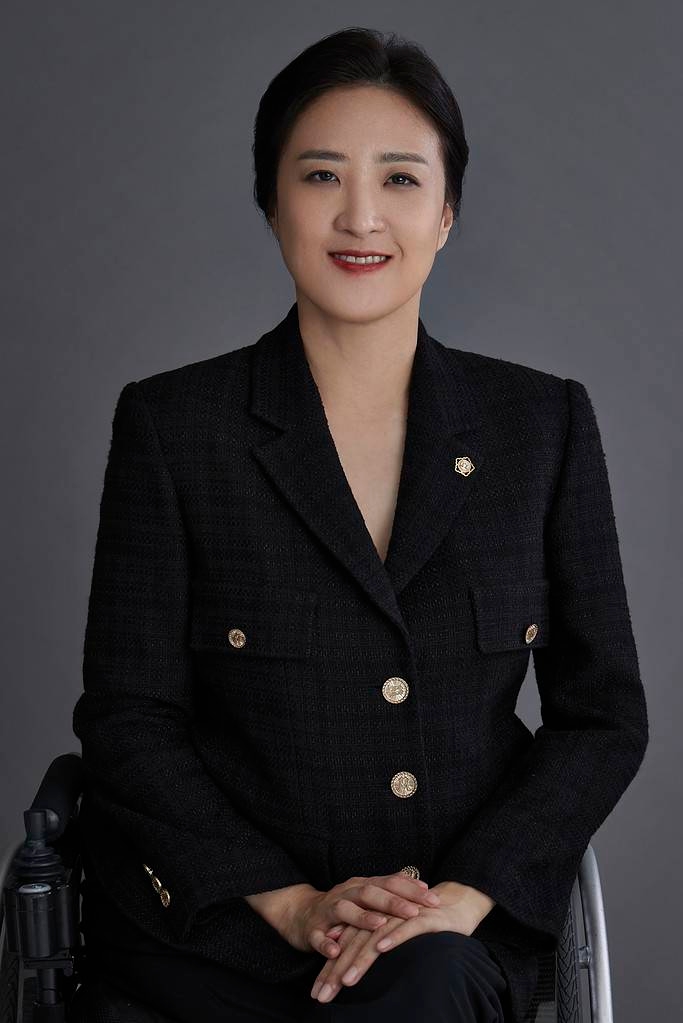
Interview with Choi Bo-yoon, attorney at Daeryun Law Firm
A comprehensive approach is needed that takes into account various parties, including people with disabilities, in all areas, including medical care and mobility rights.
As new technologies accelerate, barrier-free must also be considered.
A lawsuit seeking compensation for a developmentally disabled person who died after undergoing surgery for an ankle fracture in 2022 began on the 12th of last month. The issue raised at the first hearing was the scope of the hospital’s ‘duty of explanation’ to the disabled. Accordingly, we spoke to lawyer Choi Bo-yoon (Daeryun Law Firm), who acted as legal representative for the bereaved family and also has a physical disability, about the core of the case and issues that our society should pay attention to.
The core of the case is ‘barrier free’
When asked about the progress of the lawsuit, Attorney Choi, who was in charge of the defense, first brought up the biggest topic in the disability community, ‘Barrier Free’. The purpose is literally to eliminate barriers to disability in medical care as well.
He said, “One of the key points of the case is whether it is a violation of the ‘duty to explain’ that the medical staff omitted the explanation of the aftereffects that could lead to death and only explained the relevant details to the patient with severe developmental disabilities and obtained his signature.”
According to the actual case summary, Patient A has severe developmental disabilities and is limited in normal communication. Nevertheless, the medical staff in charge of the surgery obtained consent after explaining the ankle fracture surgery only to Mr. A, not his guardian. During this process, no explanation was given about ‘embolism’, which was the cause of Mr. A’s death and a sequelae of the surgery.
In relation to this, Attorney Choi explained, “Based on Article 24-2 (Explanation of Medical Practices) of the Medical Service Act, in the case of a patient who lacks medical capacity, a doctor must provide an explanation of medical practice to the legal representative, but there is no clear information on what to do in cases where medical capacity is lacking or the patient has a developmental disability, etc.” He added, “Since the duty of explanation is not clear, it is important how the court interprets the relevant regulations.”
He then added, “At the first hearing, the court adopted an appraisal to determine whether there was medical negligence in the victim's death, and we are waiting for a reply (from the appraisal),” adding that we plan to take follow-up measures depending on how the expert's appraisal results come out. Since there are ambiguous parts of the law, we will confirm the appraisal results based on the opinions and knowledge of experts in the relevant field and establish a defense strategy for problems in the process of fulfilling the medical staff's duty of explanation and other medical negligence.
Attorney Choi explained the meaning of this case, saying, “I think it will be meaningful if the precedent of this case is established as a legal standard in the future because not only disabled people but also non-disabled people can be harmed by insufficient explanations or poor treatment by medical staff.”
Issues in the area of barrier-free and inclusive access
Attorney Choi himself became disabled due to a medical accident, and has been carrying out various lawsuits for damages based on his experience in obtaining a favorable judgment after six years of litigation against a hospital. In this process, he directly and indirectly experienced difficulties caused by various disabilities and became deeply interested in policy. We also talked about disability issues and issues of interest in our society that Attorney Choi recently addressed.
Today, 90% of the disabled population is said to be an acquired disabled person, and many people become disabled for various reasons, not just medical accidents. In this trend, Attorney Choi singled out barrier-free as being particularly important in the area of ‘comprehensive access’.
Attorney Choi said, “I believe that as new technologies continue to develop in the future, technologies that meet individual needs should be developed for everyone, regardless of whether they are disabled or non-disabled,” and emphasized, “In particular, consideration of disability must be considered important from the stage of establishing a system in the early stages of technology development and policy introduction.”
Attorney Choi participated as a discussant in the ‘2023 International Assistive Technology Device Symposium’ and ‘Assistive Technology for the Disabled Using AI Technology: Tasks toward Innovation and Challenge’, and also served on the Special Committee on Promoting Convenience in Mobility for the Disabled under the National Integration Committee under the President. Attorney Choi emphasizes a ‘comprehensive approach’ in these activities. Ultimately, accessibility is needed not just for the disabled, but for everyone.
When we think of accessibility, we can think of the struggle for mobility rights for the disabled by the National Solidarity for the Elimination of Discrimination against Persons with Disabilities, which is currently a big issue in our society. Attorney Choi said that even in the case of the subway, if accessibility for the disabled had been considered from the initial design stage, this situation would not have come to this.
Attorney Choi said, “New technologies for mobile devices such as personal mobility (personal mobility device) and SDV (Software Defined Vehicle (car whose hardware is controlled and managed by software)) are accelerating, but the mobility system should not be centered around the city, and careful policies are needed to prevent gaps that make it difficult to move between regions other than the city.” “Also, in this situation, transportation methods that can meet the needs of various parties, including the disabled, will be deployed.” “It must be possible,” he emphasized.
And in the end, information about the destination you want to move to is essential, and information access rights are also expected to undergo groundbreaking changes with the introduction of AI technology, and this part also needs to reflect the characteristics and desires of various parties, including people with disabilities, from the initial stage. He pointed out that Korea still lacks a rights guarantee system based on comprehensive access rights, and just as the Accessibility Center was established in the EU, Korea also needs changes in laws and policies in line with global changes and levels.
Lastly, Attorney Choi said, “Accessibility must always be emphasized in the future because many people these days are called the 100-year-old era or the era of super-aging, and they have disabilities or have difficulty moving,” and added, “So, when developing technology in any area, including the right to mobility, it would be good to consider comprehensive accessibility in the future.”
[View full article] - A comprehensive approach must be considered in all areas


Do you have more questions?






In-Person Consultation Booking
If you have legal concerns, consult with a specialist attorney at the nearest office.
