




Seoul gives young doctors 4 days to end walkouts, threatening suspended licenses and prosecutions

2024-02-27
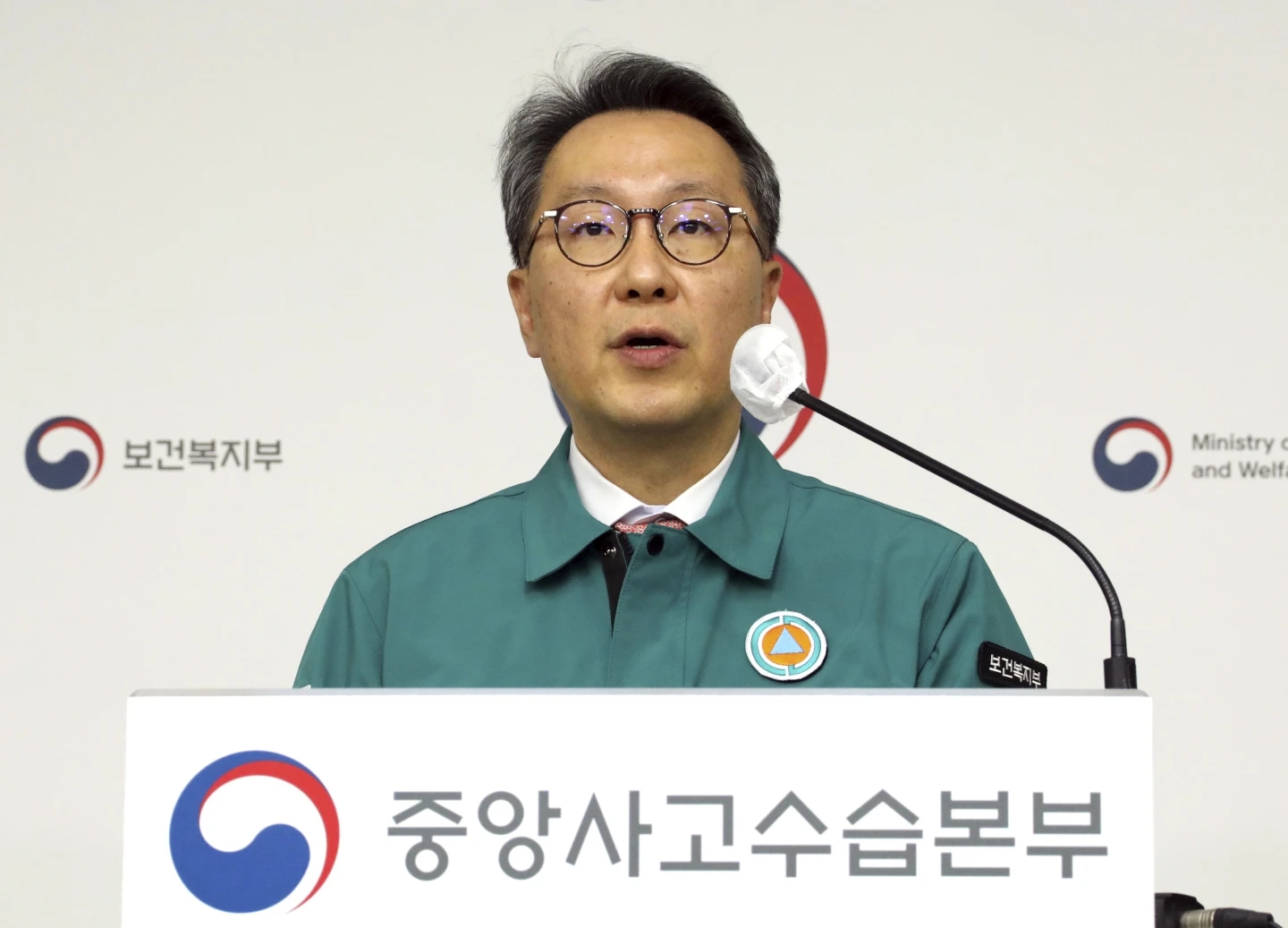
SEOUL, South Korea (AP) — Junior doctors in South Korea have four days to end their walkouts or they will have their medical licenses suspended and face prosecution, the government said Monday.
About 9,000 medical interns and residents have stayed off the job since early last week to protest a government plan to increase medical school admissions by about 65%. The walkouts have severely hurt the operations of their hospitals, with numerous cancellations of surgeries and other treatments.
Government officials say adding more doctors is necessary to deal with South Korea’s rapidly aging population. The country’s current doctor-to-patient ratio is among the lowest in the developed world.
The strikers say universities can’t handle so many new students and argue the plan would not resolve a chronic shortage of doctors in some key but low-paying areas like pediatrics and emergency departments.
Vice Health Minister Park Min-soo said during a televised briefing Monday that the government won’t seek any disciplinary action against striking doctors if they return to work by Thursday.
“We want them to return to work by the end of this month, Feb. 29. If they return to the hospitals they had left by then, we won’t hold them responsible” for any damage caused by their walkouts, Park said. “It’s not too late. Please, return to patients immediately.”
But he said those who don’t meet the deadline will be punished with a minimum three-month suspension of their medical licenses and face further legal steps such as investigations and possible indictments.
Under South Korea’s medical law, the government can issue back-to-work orders to doctors and other medical personnel when it sees grave risks to public health. Refusing to abide by such an order can bring suspensions of their licenses and up to three years in prison or a 30 million won ($22,480) fine. Those who receive prison sentences would be stripped of their medical licenses.
Hyeondeok Choi, a partner at the law firm Daeryun which specializes in medical law, said it’s highly unlikely the government will suspend the licenses of all doctors on strike, as that would cause “an enormous medical vacuum.” Other observers said authorities would likely punish strike leaders.
There are about 13,000 medical interns and residents in South Korea, most of them working and training at 100 hospitals. They typically assist senior doctors during surgeries and deal with inpatients. They represent about 30% to 40% of total doctors at some major hospitals.
The Korea Medical Association, which represents about 140,000 doctors, has said it supports the striking doctors but hasn’t determined whether to join the trainee doctors’ walkouts. Senior doctors have held a series of rallies voicing opposition to the government’s plan in recent days.
Earlier this month, the government announced universities would admit 2,000 more medical students starting next year, from the current 3,058. The government says it aims to add up to 10,000 doctors by 2035.
Striking doctors have said they worry doctors faced with increased competition would engage in overtreatment, burdening public medical expenses.
A public survey showed that about 80% of South Koreans back the plan. Critics suspect doctors, one of the best-paid professions in South Korea, oppose the recruitment plan because they worry they would face greater competition and lower incomes.
Park said the country’s medical services for emergency and critical patients remain stable, with public medical facilities extending their working hours and military hospitals opening emergency rooms to ordinary patients. But local media reported that an octogenarian suffering a cardiac arrest was declared dead last Friday after seven hospitals turned her away citing a lack of medical staff or other reasons likely related to the walkouts.
Hwang Byung-tae, a 55-year-old laryngeal cancer patient, said he has regularly visited a Seoul hospital for treatment for four years. Last week, he said he had to leave the hospital without receiving an anti-cancer injection because of the walkouts.
Hwang accused both the government and doctors of holding the lives of patients hostage. “It’s patients like me who end up suffering and dying, not them,” Hwang said.
[translation]
SEOUL, South Korea (AP) — South Korea's junior doctors will have their licenses suspended and prosecuted within four days if they are to end their strike, the government said Monday.
About 9,000 medical interns and residents have walked off the job since early last week to protest government plans to increase medical school admissions by about 65%. The strike has severely impacted hospital operations, with numerous cancellations of surgeries and other treatments.
Government officials say adding more doctors is necessary to cope with the country's rapidly aging population. Currently, our country's doctor-to-patient ratio is the lowest among developed countries.
Strikers say the university cannot handle so many new students and argue the plan will not address chronic physician shortages in some key but low-paying fields, such as pediatrics and emergency rooms.
Deputy Health and Welfare Minister Park Min-soo said in a televised briefing on Monday that the government would not take disciplinary action against striking doctors if they returned to work by Thursday.
Mr. Park said, “I hope to return to work by the end of this month, February 29th,” and added, “Even if I return to the hospital where I was discharged by then, I will not be held responsible for any damage caused by the strike.”
But he said those who don't meet the deadline will face a suspension of their medical license for at least three months and additional legal action, including investigation and prosecution.
According to Korean medical law, the government can order doctors and other medical personnel to return to work if it determines that there is a serious risk to public health. Failure to comply with such orders could result in license suspension, up to three years in prison, or a fine of 30 million won ($22,480). Anyone sentenced to prison will have their medical license revoked.
Choi Hyeon-deok, a lawyer at Daeryun, a law firm specializing in medical law, said it was highly unlikely that the government would suspend the licenses of all striking doctors. This is because a “huge medical gap” will occur. Other observers said authorities were likely to punish strike leaders.
There are approximately 13,000 medical interns and residents in Korea, most of whom work and train in 100 hospitals. They typically assist senior doctors during surgeries and deal with hospitalized patients. They account for approximately 30 to 40 percent of all doctors at some major hospitals.
The Korean Medical Association, which represents about 140,000 doctors, said it supports the striking doctors, but has not yet decided whether to join the strike of trainee doctors. Recently, a series of rallies were held by doctors opposing the government's plan.
Earlier this month, the government announced that universities would admit 2,000 more medical students from next year, up from the current 3,058. The government announced that it plans to increase the number of doctors to 10,000 by 2035.
The striking doctors said they were concerned that with increased competition, doctors would over-treat and put a strain on public health care costs.
One public survey found that about 80% of South Koreans support the plan. Critics suspect doctors, one of the highest-paid professions in the country, are opposed to the recruitment plan because they fear increased competition and lower incomes.
Mr. Park said that the country's medical services for emergency and critically ill patients are being maintained stably, with public medical facilities extending their working hours and military hospitals opening emergency rooms to general patients. But local media reported that the octogenarian, who suffered a heart attack, was declared dead last Friday after seven hospitals discharged her for medical staff shortages or other reasons related to the strike.
Hwang Byeong-tae (55), a patient with laryngeal cancer, said he has been receiving treatment at a Seoul hospital regularly for four years. It is said that last week, due to the strike, he had to be discharged from the hospital without receiving anti-cancer injections.
Hwang accused both the government and doctors of holding patients' lives hostage. Mr. Hwang said, “In the end, it is they who suffer and die, not patients like me.”
[View full article] - Seoul gives young doctors 4 days to end walkouts, threatening suspended licenses and prosecutions


Do you have more questions?






In-Person Consultation Booking
If you have legal concerns, consult with a specialist attorney at the nearest office.
