
CONTENTS
- 1. School Zone Traffic Accident/Min-sik Act | Definition

- - Key Points
- 2. School Zone Traffic Accident/Min-sik Act | Driver Compliance Requirements
- - Restrictions on Vehicle Passage
- - Prohibition of Parking and Stopping Within a Child Protection Zone
- 3. School Zone Traffic Accident/Min-sik Act | Punishment
- - Punishment Standards for Ordinary Traffic Accidents
- - Aggravated Punishment for Death or Injury of a Child Under 13
- - Aggravated Punishment for Hit-and-Run (Flight) Accidents
- 4. School Zone Traffic Accident/Min-sik Act | How to Respond to an Accident
- - On-Scene Measures and Reporting Immediately After an Accident
- - Tips for Gathering Evidence Such as Dashcam and CCTV Footage
- - How to Respond to Police Investigation
- 5. School Zone Traffic Accident/Min-sik Act | Support for a Systematic Response

1. School Zone Traffic Accident/Min-sik Act | Definition
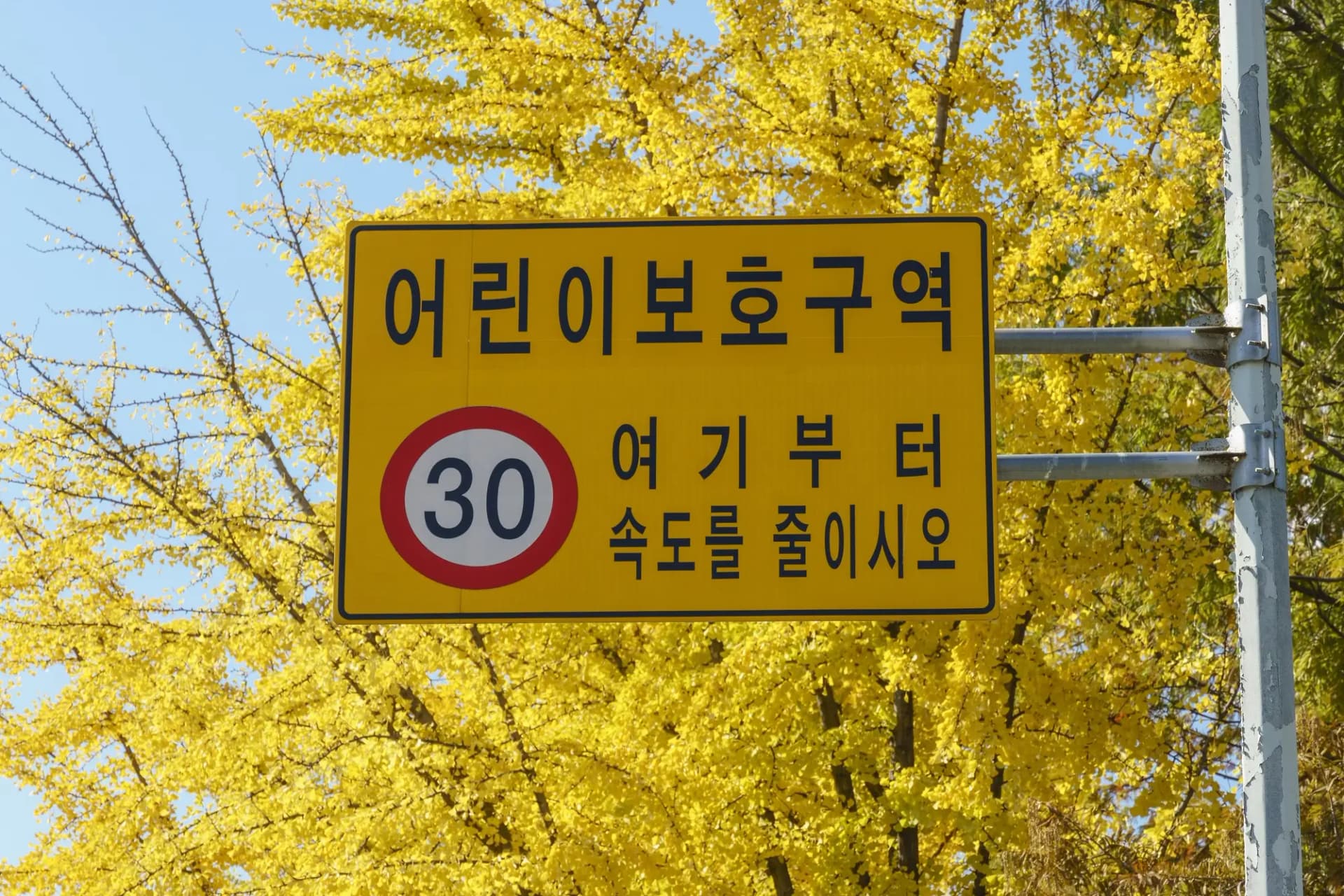
The School Zone Traffic Accident/Min-Sik Act is a provision for imposing strict punishment on the perpetrator of a traffic accident that occurs in a school zone.
A school zone (children's protection zone) refers to a section designated as a special area of protection under Article 12 of the Road Traffic Act, in order to ensure children's safe passage to and from school.
Commonly called a 'school zone,' it includes not only areas around schools but also the vicinity of kindergartens, daycare centers, and special-education schools.
 Key Points
The persons protected under the Child Protection Zone Traffic Accident/Min-sik Act are children under the age of 13, and this includes not only children who are walking but also those riding a bicycle or a kick scooter.
As a rule, all drivers are prohibited from parking or stopping within a child protection zone, and a violation may result in an administrative fine under the Road Traffic Act and the Min-sik Act, or, where an accident occurs, in criminal punishment.
In addition, the installation of an on-street parking lot is itself prohibited on roads connected to the entrance of a facility designated as a child protection zone, and such physical environmental measures reflect the priority placed on the safety of children.


2. School Zone Traffic Accident/Min-sik Act | Driver Compliance Requirements
In school zones, stricter regulations and obligations than on ordinary roads are imposed in order to prevent traffic accidents and ensure the safety of children.
Drivers must not merely slow down; they must be fully aware of and follow specific legal standards regarding manner of passage, stopping position, and observance of speed limits.
Restrictions on Vehicle Passage
Within a school zone, the passage of motor vehicles and the like may itself be legally restricted or prohibited in order to prevent accidents.
According to Article 9 of the Rules on the Designation and Management of Protection Zones for Children, the Elderly, and Persons with Disabilities, the commissioner of a city or provincial police agency or the chief of a police station may take the following measures for the safety of the relevant zone.
▶ Prohibition of stopping and parking
▶ Speed limit of 30 km/h or less
▶ Designation of one-way traffic on back roads
A back road is a road in an urban area that is not an arterial road and is used for general traffic.
Prohibition of Parking and Stopping Within a Child Protection Zone
This is not a matter of traffic inconvenience, but because such vehicles can obstruct a child's line of sight or become a factor that increases the danger when a child acts unexpectedly.
No vehicle driver may stop or park a vehicle in a location designated as a child protection zone.
▶ Recognized Exceptions
• Temporary stopping to prevent danger
(e.g., a sudden entry by a pedestrian, vehicle breakdown, etc.)
• Where the Commissioner of a City or Provincial Police Agency exceptionally permits it
Under Article 34-2(2) of the Road Traffic Act, parking and stopping may be exceptionally allowed where specific provisions on the zone, time, method, and type of vehicle have been established and indicated.
3. School Zone Traffic Accident/Min-sik Act | Punishment
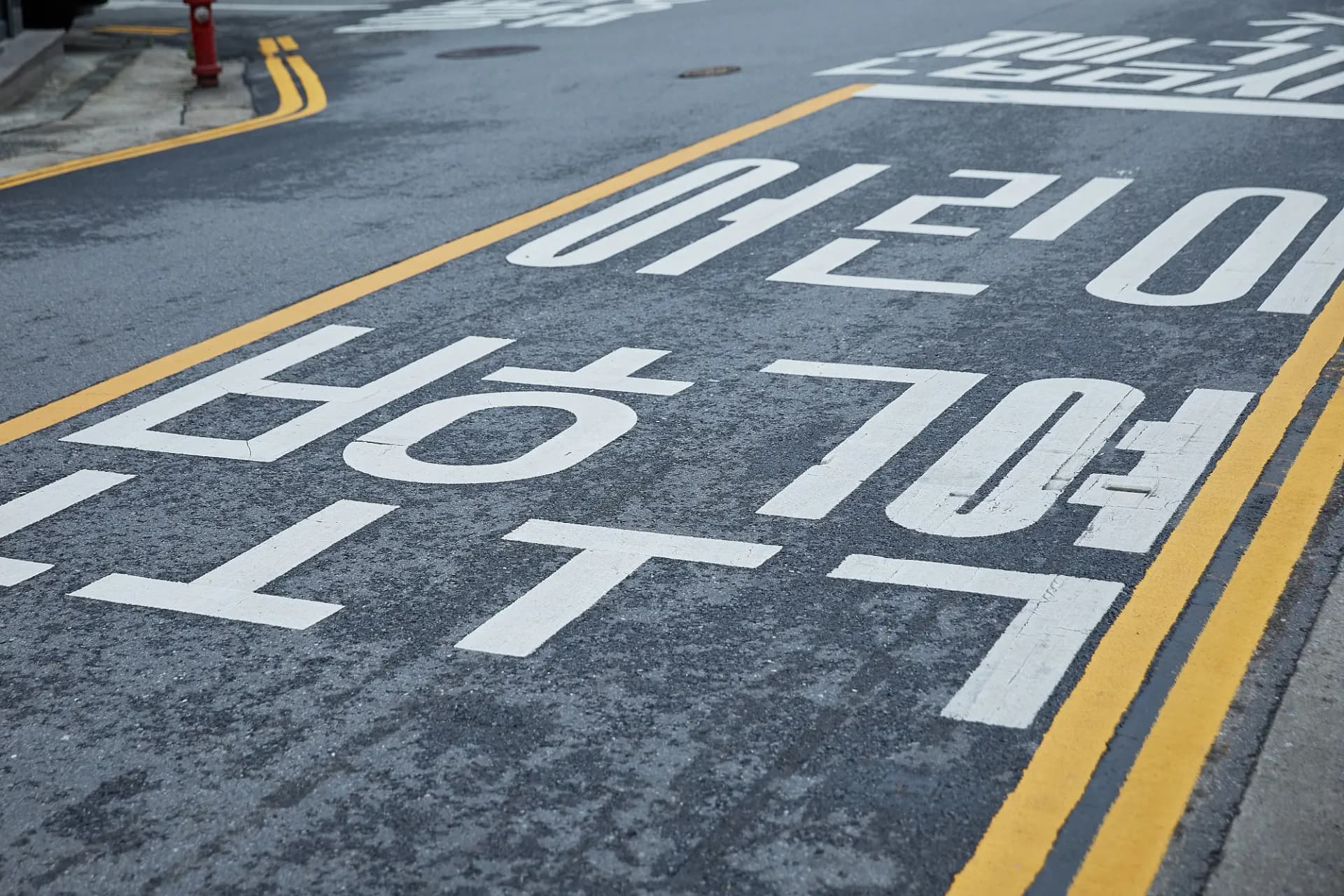
Unlike ordinary accidents, a traffic accident occurring in a child protection zone is subject to special provisions under the Min-sik Act that increase the criminal punishment.
Even a mere breach of the duty of care may lead directly to criminal punishment, and where the victim is a child, even a minor act of negligence can be treated as a serious offense.
Punishment Standards for Ordinary Traffic Accidents
Where a driver causes bodily injury or death to a child in a child protection zone through occupational negligence or gross negligence, the following punishment applies.
▶ Article 3(1) of the Act on Special Cases concerning the Settlement of Traffic Accidents and Article 268 of the Criminal Act
A person who causes death or bodily injury through a child protection zone traffic accident | Imprisonment without labor for not more than 5 years or a fine of not more than 20 million won |
▶ Points to Note
Where the driver was traveling at 30 km/h or more in the protection zone or neglected the protection of children, a public prosecution may be brought regardless of whether a settlement has been reached.
Aggravated Punishment for Death or Injury of a Child Under 13
The Min-sik Act (Article 5-13 of the Act on Aggravated Punishment of Specific Crimes) imposes very strict punishment on accidents within a child protection zone, in particular those causing the death or injury of a child under the age of 13.
Where the victim has died | Life imprisonment or imprisonment for not less than 3 years |
Where the victim has suffered bodily injury | Imprisonment for not less than 1 year and not more than 15 years, or a fine of not less than 5 million won and not more than 30 million won |
▶ Summary of the Requirements for Aggravated Punishment
• The driver was traveling at 30 km/h or more
• There was negligence in driving without giving sufficient consideration to the safety of children
Aggravated Punishment for Hit-and-Run (Flight) Accidents
Where the driver flees without stopping after the accident occurs, or leaves without rescuing the victim, the driver constitutes a 'fleeing vehicle' and receives more severe punishment than under the Min-sik Act.
▶ Article 5-3(1) of the Act on Aggravated Punishment of Specific Crimes
Where the victim has died | Life imprisonment or imprisonment for not less than 5 years |
Where the victim has suffered bodily injury | Imprisonment for not less than 1 year, or a fine of not less than 5 million won and not more than 30 million won |
Where the driver abandons the victim, the punishment is more severe.
▶ Where the driver moves the victim by vehicle, abandons the victim, and then flees
In the event of death | Death penalty, life imprisonment, or imprisonment for not less than 5 years |
In the event of bodily injury | Imprisonment for a definite term of not less than 3 years |
4. School Zone Traffic Accident/Min-sik Act | How to Respond to an Accident
When a child protection zone traffic accident occurs, the driver may face serious criminal liability regardless of whether the conduct involved mere negligence.
In particular, whether the case falls within the scope of the Min-sik Act may depend on the response taken immediately after the accident, so prudent and prompt measures are necessary.
On-Scene Measures and Reporting Immediately After an Accident
• Stop the vehicle and activate the hazard lights
→ The driver must stop immediately and then take safety measures to prevent a secondary accident.
• Report to 119 or 112
→ Because there is a duty to rescue when the victim is a child, the driver must rescue the victim and at the same time immediately report the accident to the police.
• Check the victim's condition and take rescue measures
→ Even if the child appears to be unconscious, it is necessary to request first aid from 119 and to attempt to contact the guardian.
If the driver flees or fails to take rescue measures, this may be treated as a 'hit-and-run', giving rise to the possibility of life imprisonment or an actual custodial sentence.
Tips for Gathering Evidence Such as Dashcam and CCTV Footage
The circumstances of the accident and whether the driver was negligent are proven through objective video material.
In particular, because a child protection zone traffic accident proceeds on the premise that 'the driver bears sole negligence', actively securing evidence is very important.
• Immediately back up the vehicle dashcam footage
→ The driving speed, compliance with traffic signals, a child's sudden movement, and similar matters may be confirmed.
• Request CCTV footage from nearby shops and schools
→ Because there are many private cameras in addition to public CCTV, it is necessary to photograph the scene immediately after the accident and to confirm the location of CCTV cameras.
• Secure witnesses
→ A witness's statement can become key material for a reduction of sentence or the apportionment of negligence in the police investigation or the criminal trial.
How to Respond to Police Investigation
Once a certain time has passed after the accident, the driver may be booked as a 'suspect', and the investigation proceeds.
• Focus on objective facts when making statements
→ Statements such as "the child suddenly ran out" or "I kept to the speed limit" should be made only to the extent they can be proven by objective material such as dashcam footage.
Exaggerated or unsubstantiated assertions may lead to a loss of credibility.
• Organize the facts before reviewing the police record
→ Noting and organizing the circumstances of the case, the speed at the time of driving, the stopping position, and whether signs were present can be helpful when responding to the investigative authorities.
• Consultation with an attorney before making statements is recommended
→ Because the level of punishment can vary considerably depending on whether the Child Protection Zone Traffic Accident/Min-sik Act applies, it is advisable to consult an attorney before making statements and to prepare a prudent and strategic response.
5. School Zone Traffic Accident/Min-sik Act | Support for a Systematic Response
Because a child protection zone traffic accident, in particular a case involving the Min-sik Act, raises complex legal questions and carries a significant risk of criminal punishment, it is difficult to respond alone.
It is therefore necessary, from the early stage of the case, to obtain the assistance of an attorney and to establish a response strategy systematically on the basis of an accurate understanding of the legal issues.
Our firm operates its own Evidence Investigation Center and Digital Forensics Center, providing support so that objective evidence such as dashcam and CCTV footage can be collected promptly and systematically.
In addition, through mock investigation simulations, we prepare for unfavorable statements and develop a response suited to the circumstances, working to protect the client's rights from the early investigation stage.
If you are involved in a child protection zone traffic accident, in particular a case involving the Min-sik Act, and need legal support, 🔗a traffic accident attorney can work with you to prepare a prompt and strategic response.


Watch related video content
for this case study.

🚨Actual client recording🚨Police investigation simulation