
CONTENTS
- 1. Cannabis | Concept

- - What Is Cannabis?
- - Problems Caused by Cannabis
- 2. Cannabis | Penalty Levels
- 3. Cannabis | Points to Note and Response Strategy When Involved
- - Proving Intent and Awareness
- - Single Use vs. Habitual Use
- - Defense Against Charges of Trafficking, Supply, and Brokering
- 4. Cannabis | Actual Cases of Punishment
- 5. Cannabis | Key Issues
- - Why Legal Assistance May Be Needed

1. Cannabis | Concept
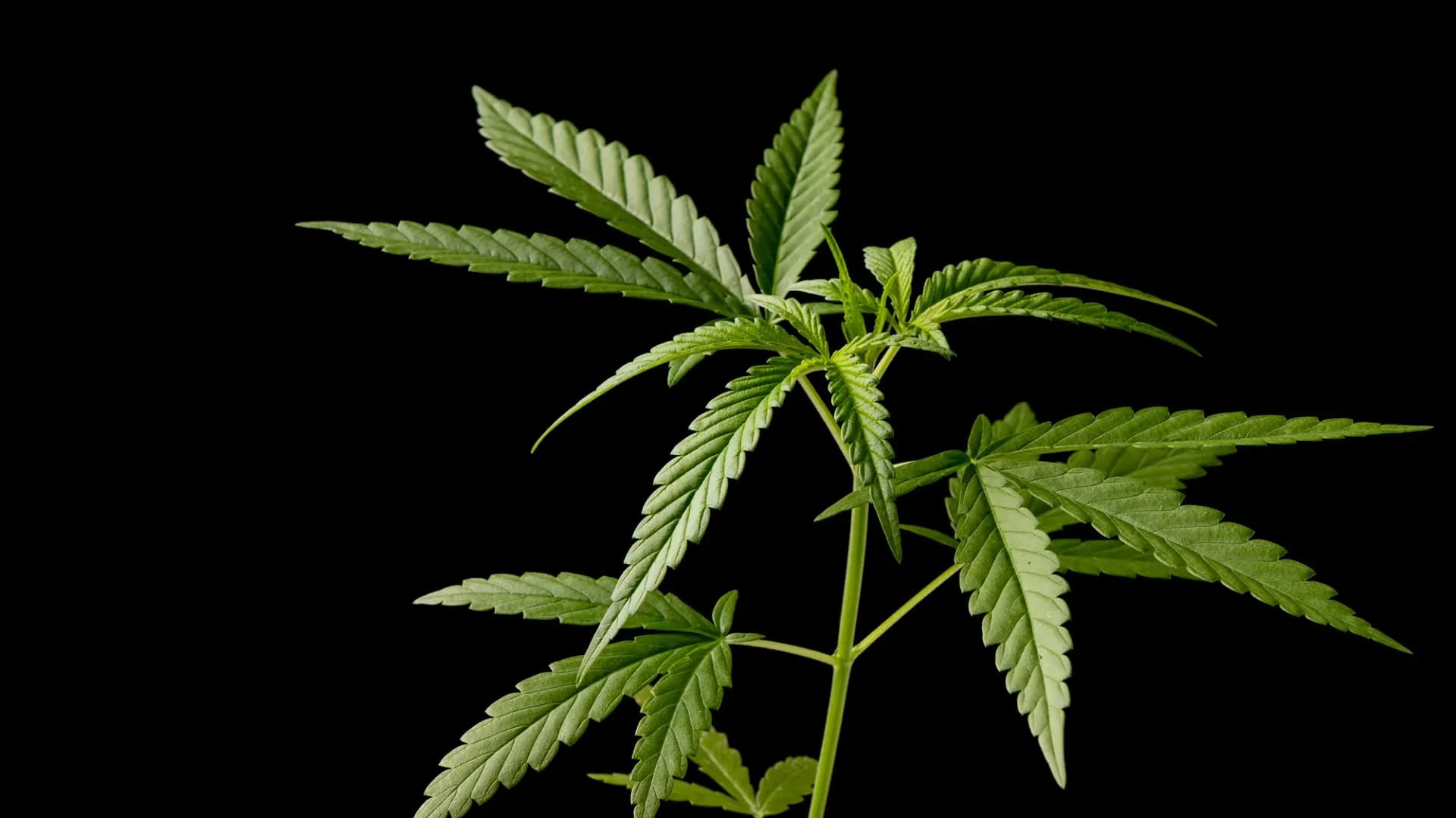
Cannabis is one type of narcotic dealt with under the Narcotics Control Act, and it is also called marijuana.
It refers to the controlled substance obtained from the leaves and flowers of the cannabis plant.
Because narcotics are divided into medical and recreational use depending on the components used, some countries have legally permitted medical cannabis.
In Korea as well, recreational cannabis is strictly prohibited, but a 2019 amendment to the law has permitted the limited use of medical cannabis.
 What Is Cannabis?
Cannabis, the raw material for marijuana, is also called hemp, and it is a plant with a long history of cultivation.
The fibers of the cannabis stalk have been used as a raw material for weaving hemp cloth or nets, the fruit as a raw material for spices or as an herbal medicine, the seeds for seasoning or oil extraction, and the leaves and flowers for smoking.
Marijuana for smoking is understood to have spread to Korea from 1965 onward, during the height of the Vietnam War.
Problems Caused by Cannabis
The thin stems, leaves, and other parts of cannabis contain abundant THC.
When this is absorbed into the body, it not only has an analgesic effect but also paralyzes the central nervous system, commonly causing a mental disorder known as a hallucinatory effect.
THC acts on the central nervous system and causes changes in mood, distortion of the senses, distortion of the sense of time, reduced concentration, and similar effects, and with repeated use, strong addiction and tolerance are a characteristic feature.
For this reason, cannabis is classified not as a simple recreational substance but as a 'hallucinogen' and is controlled as a narcotic.
The effect of THC intoxication generally lasts 3 to 4 hours, and during this time the body's ability to perceive objects and to make judgments declines, so the risk of a traffic accident after smoking rises sharply, and nausea and respiratory side effects appear.
Along with this, it causes significant harm to the body, including reduced memory, an increased risk of cardiac arrest, and damage to the immune system.
Above all, because there is no medicine to treat cannabis use, it is important not to start.
▶Health problems that may be caused
-Effects
Intense euphoria, followed by anxiety, excessive excitement, anger, and fear. Thoughts and actions speed up, and one feels heat more strongly
-Short-term use
A state of arousal, increased physical activity, decreased appetite, increased breathing, heart rate, blood pressure, and body temperature, and irregular heartbeat
-Long-term use
Anxiety, confusion, insomnia, mood disorders, violent behavior, paranoia, hallucinations, delirium, weight loss, severe dental damage, and skin wounds from scratching due to severe itching
-Other health-related problems
∙Pregnancy: premature birth, separation of the placenta from the uterus, low birth weight, lethargy in the newborn, and heart and brain disorders
∙Risk of infectious diseases such as human immunodeficiency virus and hepatitis from sharing needles
-Withdrawal symptoms
Tired but unable to sleep, depression, anxiety, anger, and agitation. A sense of unhappiness and fatigue


2. Cannabis | Penalty Levels
The act of importing or exporting cannabis itself and all products made from cannabis as a raw material, as well as the acts of manufacturing, trading, and arranging trades, are all subject to punishment.
Cannabis is frequently transformed into the form of synthetic cannabis, and care must be taken because synthetic cannabis is classified not as cannabis but as a psychotropic drug and may be subject to aggravated punishment.
Even if one handled cannabis on the ground that it was legal in a country visited while traveling abroad, one may become a narcotics offender after returning to Korea.
The level of punishment related to cannabis is as follows.
| Simple smoking | Imprisonment for up to 5 years or a fine of up to 50 million won |
| Import and export | Life imprisonment or imprisonment for 5 years or more |
| Cultivation | Imprisonment for a definite term of 1 year or more |
3. Cannabis | Points to Note and Response Strategy When Involved
Cannabis-related crimes are a type that is relatively easy to encounter among narcotics and that has a high proportion of first-time offenders.
However, it is difficult to regard the punishment as light simply because one is a first-time offender, and a precise response strategy may be necessary to obtain a result such as a suspension of indictment or a suspended sentence.
Proving Intent and Awareness
Where the suspect inhaled the substance without being aware that it was cannabis, or did not recognize a product containing a cannabis component as a narcotic, it may be argued that there was no intent.
However, to have the denial of intent actually recognized, objective materials such as the circumstances of ingestion, external circumstances, and whether the product's ingredients were labeled are important.
For example, a case in which a person encountered cannabis in the form of oil or an electronic cigarette in a country where cannabis is legal during overseas travel and then returned home may fall under this, and the assessment of residual THC components in the body at the time of entry may become an issue.
Single Use vs. Habitual Use
In the case of simple inhalation, a first-time offender may receive a relatively minor punishment compared with habitual inhalation.
However, where inhalation is repeated, or the period of administration is long or the quantity is large, the possibility of an actual custodial sentence increases.
The prosecution determines whether there is habituality by considering the number and timing of administrations, the concentration of the cannabis component, statements from those nearby, and other factors, and constructs the facts charged accordingly.
Defense Against Charges of Trafficking, Supply, and Brokering
What is punished more heavily than the use of narcotics is trafficking and arrangement.
In particular, the act of trading cannabis using non-face-to-face platforms such as Telegram and the dark web is likely to be recognized as having a ‘profit-making purpose,’ so aggravated punishment may apply.
In such cases, the analysis of specific evidence such as digital forensics results, conversation content, remittance records, and parcel waybills becomes the core of the defense strategy.
4. Cannabis | Actual Cases of Punishment
The following are actual cases of punishment for cannabis-related crimes.
CASE 1. Charged with arranging the sale of cannabis and smoking it several times, sentenced to 2 years of imprisonment
A, who was brought to trial on charges of obtaining cannabis for others and smoking it several times, was sentenced to 2 years of imprisonment.
The court imposed this punishment after comprehensively considering grounds such as the need for strict response given the serious adverse effect on society as a whole, while noting that the defendant fully admitted the wrongdoing, was showing remorse, and was vowing to quit drugs.
CASE 2. Charged with smuggling and hiding synthetic cannabis, sentenced to 1 year and 6 months of imprisonment
A Vietnamese national who sold drugs through a so-called "drop method," smuggling in synthetic cannabis, hiding it in places such as garden plots, and informing buyers of the coordinates, was sentenced to 1 year and 6 months of imprisonment at the first instance.
B was found to have smuggled in narcotics by means such as international parcel delivery from abroad, including Vietnam, and to have sold synthetic cannabis by dividing and packaging it, hiding it in designated places, and conveying the coordinates.
CASE 3. Charged with growing and smoking cannabis at home, sentenced to 2 years and 6 months of imprisonment
A man in his twenties who grew cannabis himself and smoked it and cooked and ate it was sentenced to an actual term of 2 years and 6 months of imprisonment.
The man purchased cannabis seeds, grew 5 cannabis plants himself at his residence, and then ingested cannabis by means such as smoking it 10 times and adding it to food 11 times.
The court found that the culpability was heavy in that he had equipped his residence with various facilities and had even grown the cannabis himself.
5. Cannabis | Key Issues
A cannabis case may appear to be a simple instance of narcotics use, but in the actual investigation and trial process several complex issues are often intertwined.
In particular, for the following major issues, the level of punishment and even the existence of a criminal disposition can change depending on the adequacy of the initial response.
▶Intent and awareness
Whether the suspect was aware that cannabis is a controlled substance is central to determining whether there is liability and the sentence. The outcome differs greatly depending on whether it was mere passive inhalation, intentional use, or ingestion without knowing the ingredient.
▶Route and frequency of use
Whether the cannabis inhalation was a single occasion or habitual use has a major influence on the judgment of the investigative agency.
In addition, how the route of use occurred (for example, introduction by an acquaintance, purchase abroad, transactions on social media, and the like) is also an important factor in determining the direction of the investigation.
▶Whether non-face-to-face platforms such as Telegram and the dark web were used
Recently, the distribution routes for cannabis and other narcotics have been shifting to non-face-to-face online channels based on anonymity.
In such cases, the analysis of digital evidence, such as conversation content and records of monetary transactions, becomes an issue.
▶Denial of intent regarding possession or transport
Merely possessing cannabis is itself subject to punishment, but if it is proven that the person was unaware of it or that it belonged to another person, there is also a possibility of a finding of no charge.
This is a matter that requires precise analysis of the facts and the evidence.
Why Legal Assistance May Be Needed
According to the Special Investigation Headquarters on Drug Crime, last year the amount of narcotics seized reached 1,173 kg, and the number of drug offenders reached 23,022.
In light of this, courts are expected to impose even stricter punishment for narcotics offenses such as cannabis.
If you are involved in a cannabis-related drug offense, it is advisable to respond thoroughly from the investigation stage with the assistance of a specialist attorney.
- Blocking excessive booking or unnecessary indictment
- Digital forensic analysis and collection of rebuttal materials
- Preparing for collateral disadvantages that may arise beyond criminal punishment, such as suspension of qualifications and immigration restrictions
At this firm, a narcotics specialist attorney with extensive practical experience in cannabis-related drug cases works to clearly understand the case and protect the client's interests.
Operating branch offices in regions throughout the country, this firm maintains a consultation system available throughout the year and offers a non-face-to-face video consultation service, so please feel free to inquire with the firm at any time.


Watch related video content
for this case study.

What if you are investigated by the police for drug use?