
CONTENTS
- 1. Lease Disputes | Types

- - Increase or Decrease of Rent or Deposit
- - Lease Term Disputes
- - Disputes over Return of Deposit and Return of Housing or Commercial Premises
- - Disputes over Maintenance and Repair Obligations
- - Disputes over Contract Renewal or Termination
- - Premium (Gwonrigeum) Disputes
- 2. Lease Disputes | Resolution Through the Dispute Conciliation Committee
- - Lease Dispute Conciliation Committee
- - Application and Procedure
- - Documents to Submit When Applying for Conciliation
- - Effect of Conciliation
- - Advantages of the Conciliation System
- 3. Lease Disputes | Resolution Through Litigation
- - Lawsuit for Return of Deposit
- - Eviction Lawsuit
- - Premium Lawsuit
- 4. Lease Contract | Checklist
- - Support System of Real-Estate-Specialist Attorneys

1. Lease Disputes | Types

Lease disputes can arise in various forms, such as increases or decreases in rent, return of the deposit, the lease term, and renewal of the contract.
They can broadly be classified into the following types.
 Increase or Decrease of Rent or Deposit
This is a case in which a disagreement arises between the lessor and the lessee over a rent increase or an increase in the deposit.
In such cases, the law provides that a request for an increase or decrease may be made only within certain conditions and limits, so it is important to understand these accurately (Article 7 of the Housing Lease Protection Act and Article 11 of the Commercial Building Lease Protection Act).
Category | Limit on Increase Request |
Housing | Within 1/20 (5%) of the agreed rent or deposit |
Commercial Building | Within 5/100 (5%) of the rent or deposit at the time of the request |
Lease Term Disputes
This is a dispute over the extension of the contract term, whether automatic renewal applies, or early termination.
Where the lessee wishes to move out before the contract expires, a penalty issue may arise, and it is common for the lessor to assert grounds for refusing renewal in order to prevent automatic renewal.
Disputes over Return of Deposit and Return of Housing or Commercial Premises
After the lease ends, problems may arise over the timing of the return of the deposit or the amount to be returned.
In addition, where the lessee fails to return the leased property or delays doing so, the matter may also lead to an eviction lawsuit.


Disputes over Maintenance and Repair Obligations
A conflict may arise between the lessor and the lessee over the condition in which the leased property is returned and over who bears responsibility for maintaining and repairing the building.
Generally, the lessor often bears the duty to maintain structural and basic facilities, while the lessee is often responsible for minor damage arising from use.
Where the contract does not clearly stipulate the matter, legal interpretations may differ.
Disputes over Contract Renewal or Termination
This is a dispute concerning whether the lease is renewed and the conditions for terminating the contract.
Representative examples of such disputes are as follows.
▷ Where the lessor asserts that the contract was tacitly renewed without giving notice of termination
Premium (Gwonrigeum) Disputes
A representative type is the dispute between commercial lessees concerning the payment and recovery of premium (gwonrigeum).
It arises where the lessor interferes while a commercial lessee is seeking to recover the premium from a new lessee.
However, under the Commercial Building Lease Protection Act, the lessor may not, under certain requirements, interfere with the recovery of the premium without justifiable grounds (Article 10-4 of the Commercial Building Lease Protection Act).
A lessee who has been deprived of the opportunity to recover the premium may claim damages.
2. Lease Disputes | Resolution Through the Dispute Conciliation Committee
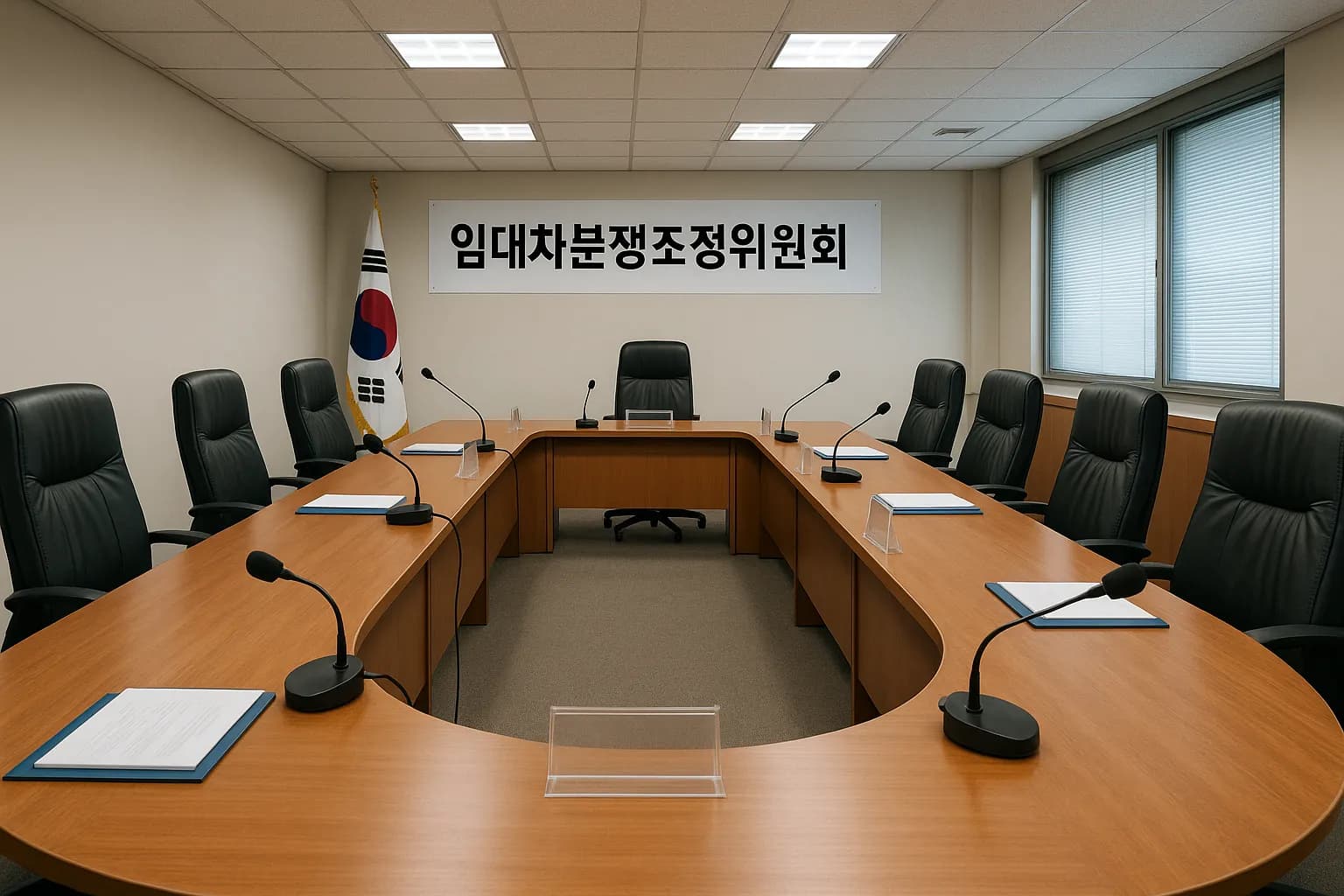
When a lease dispute arises, litigation is not necessarily the only solution.
The Lease Dispute Conciliation Committee is an official procedure established so that disputes can be conciliated without the burden of time and cost.
It handles most types of disputes relating to housing and commercial building leases and provides effective solutions.
Lease Dispute Conciliation Committee
It is a statutory conciliation system designed to resolve disputes relating to lease contracts swiftly and economically.
It handles all disputes concerning leases of housing or commercial buildings, and the Korea Real Estate Board operates regional offices in Seoul, Gyeonggi, Gangwon, Sejong, Jeonbuk, Gyeongbuk, and other areas.
If a lease dispute such as those discussed above arises, you may apply for conciliation to the Lease Dispute Conciliation Committee.
Application and Procedure
The conciliation procedure proceeds simply in the following four stages.
: Applying for conciliation to the conciliation committee having jurisdiction over the location of the leased housing or commercial premises
② Commencement of Conciliation
: The conciliation procedure begins immediately upon receipt of the application.
: Once conciliation commences, the application and supporting materials are reviewed.
③ Investigation and Deliberation
: During the investigation, the statements of the parties are heard and materials are gathered.
: A conciliation committee composed of legal and real estate experts conducts the deliberation.
④ Establishment of Conciliation
: Once the committee proposes a conciliation plan, the parties may accept it in writing within 14 days.
Documents to Submit When Applying for Conciliation
Required Documents
∙ Building register
∙ Identification document
∙ Abridged resident registration record
∙ Certified copy of the real estate register, etc.
Optional Submissions
∙ Materials for calculating the premium
∙ Any other documentary evidence capable of proof
Effect of Conciliation
Once conciliation is established, it is deemed a ‘settlement’ between the parties, and matters such as the payment of money specified in the conciliation document may be enforced through compulsory execution even without a separate writ of execution.
▶ Agreed terms such as payment of money, surrender of premises, and recovery of the premium have effect enforceable through compulsory execution
▶ The conciliation document alone may serve as a title of execution even without a separate lawsuit
Advantages of the Conciliation System
Compared with litigation, the conciliation system offers many practical advantages, as follows.
Advantage | Description |
① Simple Procedure | Application possible online, by mail, by fax, or in person |
② Low Cost Burden | Fees are around KRW 10,000 to 100,000 (may be waived for small-deposit lessees, etc.) |
③ Time Savings | A result is reached within 60 days from the date conciliation commences |
④ Guaranteed Legal Enforceability | Enforcement possible under the conciliation document |
See More
3. Lease Disputes | Resolution Through Litigation
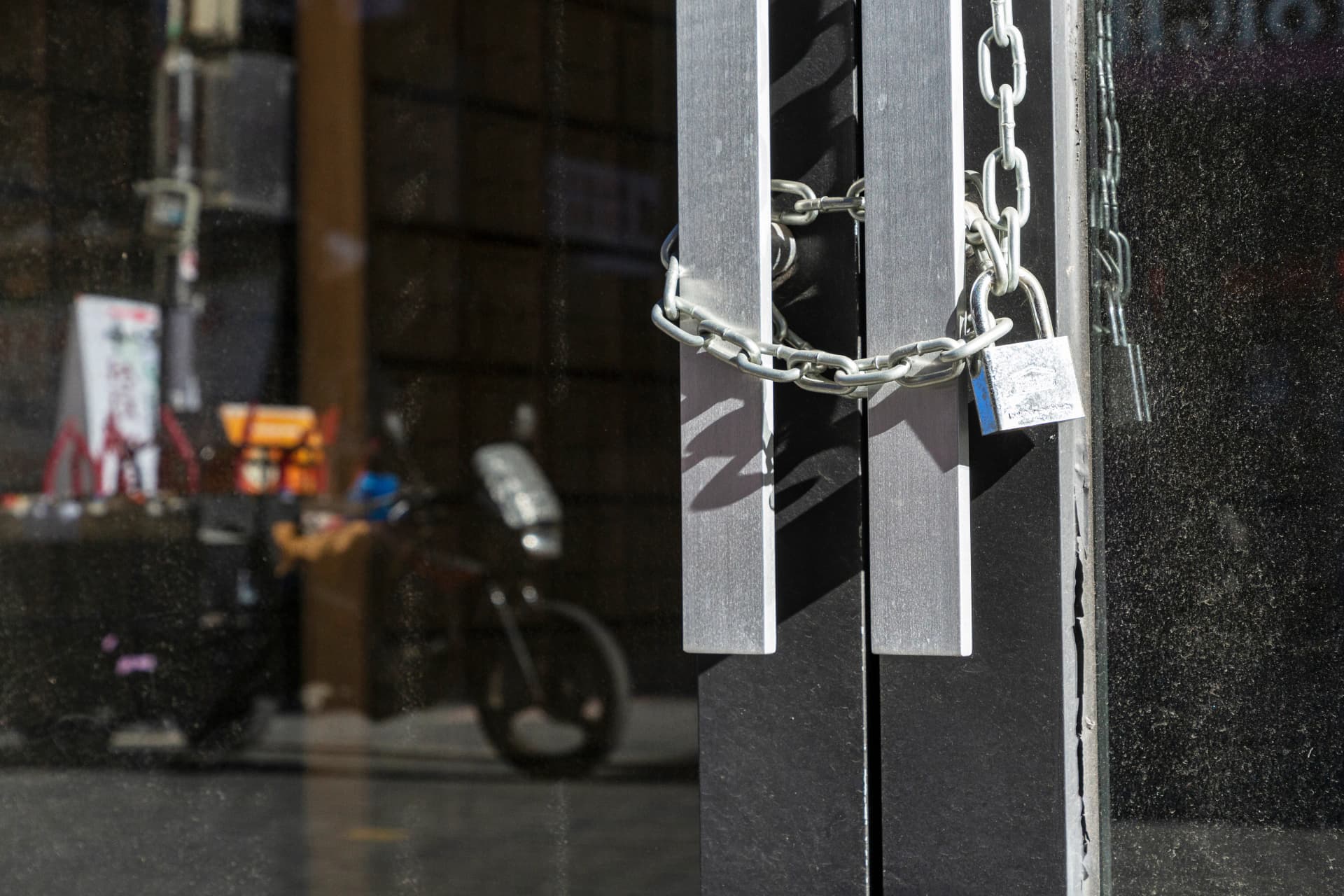
Where resolution through the Lease Dispute Conciliation Committee is difficult, or where the other party refuses to participate in conciliation or the conciliation fails, it becomes necessary to file a lawsuit through the court.
Lawsuit for Return of Deposit
This is a lawsuit that must be filed where the lessor fails to return the deposit even though the lease contract has ended.
To file the suit, evidence is required that can prove that the lessor failed to return the deposit despite being under an obligation to do so.
Key Evidence
▷ Materials confirming the conditions for termination of the contract and return of the deposit, such as a move-out inspection report
▷ Materials confirming that the tenant has no amounts unpaid to the lessor, such as an arrears statement
▷ Documents demanding the return of the deposit, such as a certified letter of content (naeyongjeungmyeong)
Eviction Lawsuit
An eviction lawsuit must be filed where the lessee fails to return the leased property even after the contract has ended.
This lawsuit refers to a suit that the owner files with the court when a tenant is occupying the property without authorization, despite no longer having any right to possess the real estate.
Key Evidence
▷ Notice of termination of the contract or the fact of expiration
▷ Materials confirming the state of possession of the property
(photographs, the condition of the entrance, etc.)
Premium Lawsuit
This is a lawsuit that must be filed where the lessor has interfered with the recovery of the premium or has unjustly infringed upon it.
Under the Commercial Building Lease Protection Act, it may be filed against a lessor who has engaged in any of the following acts.
2. Preventing a person who is to become the new lessee introduced by the lessee from paying a premium to the lessee
3. Demanding from a person who is to become the new lessee introduced by the lessee rent and a deposit that are markedly excessive in light of the taxes, public charges, the rent and deposit of nearby commercial buildings, and other burdens relating to the commercial building
4. Otherwise refusing, without justifiable grounds, to conclude a lease contract with a person who is to become the new lessee introduced by the lessee
In such cases, one must be able to prove that actual damage arose as a result of the lessor's acts described above.
Key Evidence
▷ Materials proving the new lessee's financial capacity, or the intention and ability to perform the lessee's obligations
▷ A document or statement of account setting out the amount and breakdown of the premium
▷ Text messages, emails, recordings, etc. confirming the lessor's refusal to conclude the contract
▷ Materials capable of proving the damage caused by the actual failure to recover the premium
4. Lease Contract | Checklist
When concluding a lease contract, simply signing the contract is not enough.
Only by carefully checking key elements such as the contracting parties, the order of rights, and the requirements for opposability can future disputes be prevented.
Check Item | What to Confirm and How |
1. Verifying the Parties | Confirm the lessor's actual ownership and authority to lease through identification documents, a certified copy of the registration record, etc. |
2. Confirming the Priority of Rights | For a contract through an agent, confirm the power of attorney and identification document |
The deposit must be remitted directly to an account in the lessor's name | |
3. Confirmation and Explanation Statement of the Brokerage Object | Before signing, carefully read and confirm that there are no omissions or false statements in the content |
Review whether it matches what the broker explained | |
4. Securing Opposability and the Right to Preferential Reimbursement | A resident registration move-in report + a fixed date stamp are essential |
Possession and resident registration must be continuously maintained during the lease term for opposability and the right to preferential reimbursement to be recognized |
Support System of Real-Estate-Specialist Attorneys
Our law firm includes a substantial number of real-estate-specialist attorneys registered with the Korean Bar Association, as well as specialist attorneys with an average of more than 10 years of experience.
Accordingly, where actual damage has arisen, such as non-return of a deposit, delayed surrender of premises, or a premium dispute, we are able to provide professional legal support from sending a certified letter of content (naeyongjeungmyeong) to applying for conciliation and responding to litigation.
We encourage you to promptly establish a response strategy suited to your situation with the assistance of a real-estate-specialist attorney.
Related News


Watch related video content
for this case study.

How to avoid being scammed by real estate? (feat. lease scam)