




CONTENTS
- 1. Neglect of Duty | Concept

- 2. Neglect of Duty | Acts and Representative Types
- - Representative Types of Neglect of Duty
- - Actual Cases of Soldier Neglect of Duty
- - Neglect of Duty: The Difference in Punishment Between Soldiers and Public Officials
- 3. Neglect of Duty | Severity of Punishment
- 4. Neglect of Duty | How to Respond
- - Key Points in Defending Dereliction of Duty
- - Dereliction of Duty by a Soldier Calls for a Strategic Response

1. Neglect of Duty | Concept
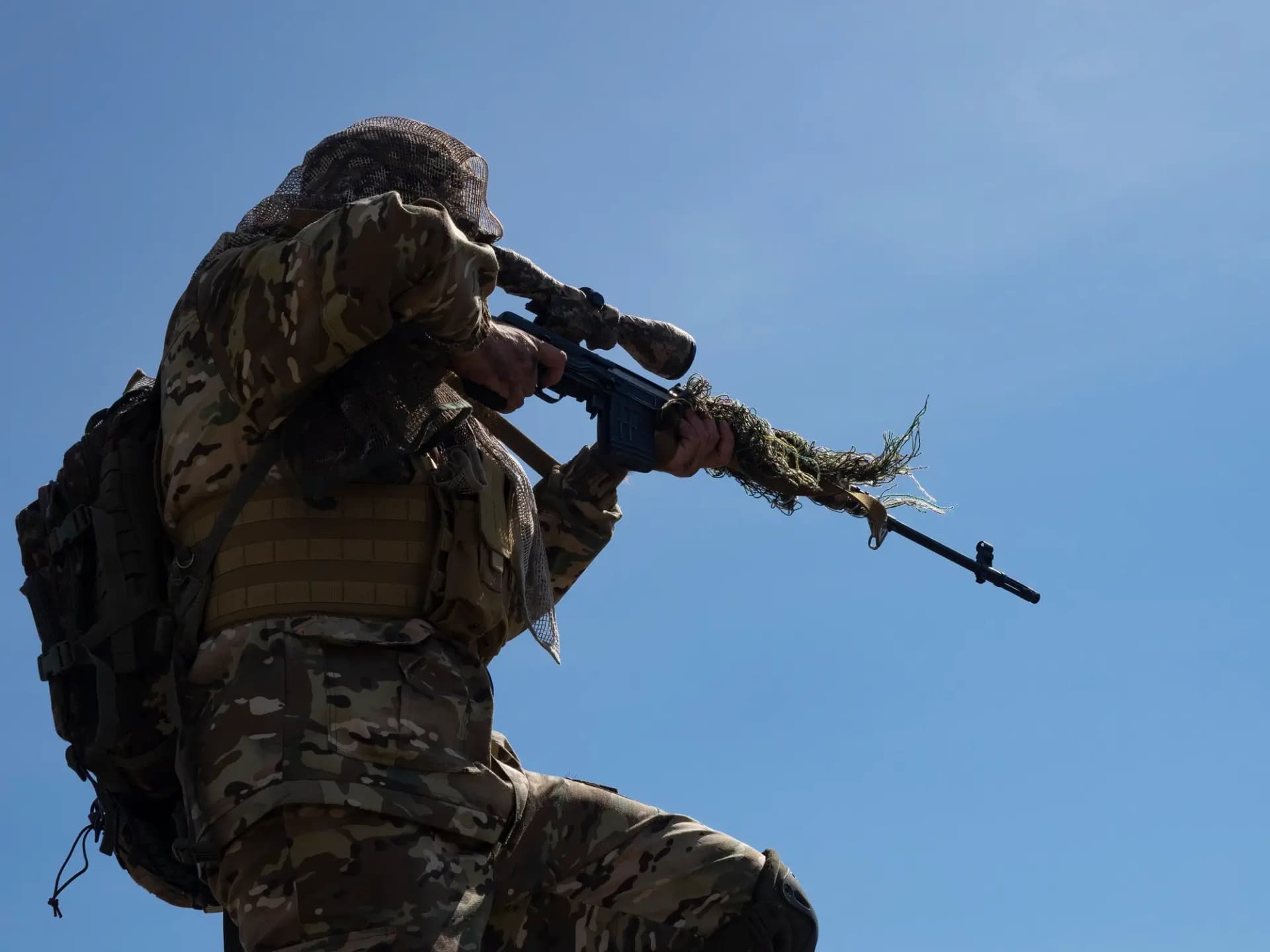
Neglect of duty refers to the act of abandoning the duty to serve faithfully as a service member and failing to properly carry out an assigned mission.
This refers not to a simple mistake or poor attitude but to a case of significantly violating the duty of fidelity to one's official duties, and because it can directly affect the maintenance of military discipline and combat power, it is subject to severe disciplinary action and criminal punishment.
Neglect of duty applies not only to enlisted soldiers but also to officers, and it is provided for under the Military Criminal Act.
Because a service member's service is not a simple employment contract but a special legal relationship premised on public character and compliance with the law, neglect of duty, unlike ordinary dereliction of duty, is assessed as a violation of the Military Criminal Act or the military service regulations.
You should be careful, as an act committed without your awareness may constitute neglect of duty and become subject to investigation.
2. Neglect of Duty | Acts and Representative Types

The acts that constitute neglect of duty are as follows.
An officer who, while leading a unit or hospital in the performance of its duty, encounters the enemy or faces other peril and abandons the unit or hospital without justifiable grounds
A person who, without justifiable grounds, fails to attack an enemy that should be attacked in the course of duty, or who departs from a peril that should naturally be borne in the course of duty
A person who, having custody of a document or article that is a military secret, leaves it to the enemy in an emergency without unavoidable grounds
A person who, in time of war or upheaval or in a martial law area, transports or supplies weapons, ammunition, provisions, clothing, or other articles for military use, and who, without unavoidable grounds, destroys them or causes them to become deficient
 Representative Types of Neglect of Duty
▶Late arrival or unauthorized absence
-A case of not reporting for duty at the designated time or leaving the place of duty without authorization.
-For enlisted soldiers, this includes a delayed return to the training center, and for officers, the failure to observe regular workdays.
▶Nonperformance of duties or a passive attitude
-A case of repeatedly failing to perform duties that one is clearly capable of carrying out, or passively letting a superior's instructions slip by.
-Representative examples include putting off duties for a long period or being negligent in the duty to report.
▶Neglect of guard duty
-A case of dozing off or leaving the place of duty while on sentry or guard duty, which is treated as especially serious in wartime situations or in border areas.
▶Private conduct while on duty
-Acts equivalent to departing from duty, such as private phone calls, drinking, or unauthorized outings while on duty, may also be regarded as neglect of duty.
Actual Cases of Soldier Neglect of Duty
1. Controversy over inadequate service by popular singer S
Popular singer S received a Grade 4 supplemental service classification at the military physical examination on grounds of anthropophobia, bipolar disorder, and panic disorder, and began alternative service.
However, allegations of inadequate service were subsequently raised, drawing significant public criticism.
2. A military physician who reported late 124 times over three years
It was revealed that First Lieutenant A, a military physician, reported for duty late 124 times after his commission as a military physician and requested leave by phone 62 times.
As the neglect of duty recurred, his brigade imposed a light disciplinary measure of a three-month salary reduction on First Lieutenant A on grounds of habitual late arrival and refusal to provide medical treatment.


Neglect of Duty: The Difference in Punishment Between Soldiers and Public Officials
The term neglect of duty is used not only in military organizations but also in ordinary administrative organizations. However, the applicable legal standards and the severity of punishment are fundamentally different.
In the world of ordinary public officials, dereliction of duty is mainly handled as a ground for disciplinary action under the State Public Officials Act or the Local Public Officials Act, resulting in administrative disadvantages such as suspension from duty or a salary reduction.
By contrast, a service member's neglect of duty may expressly be subject to criminal punishment under the Military Criminal Act, and it is a criminal offense punishable by imprisonment for at least one year.
In particular, neglect of duty occurring in time of war or upheaval or in a martial law area is treated severely, and there are not a few cases that lead to actual detention during investigation and even the imposition of a custodial sentence.
This is because a military organization is a special organization directly tied to national security, and clarity in the chain of command and unity in carrying out missions are absolutely required.
The standard for determining neglect of duty is also far stricter than for ordinary public officials.
In civilian organizations, even where the performance of duties is somewhat delayed or a mistake occurs, the matter often ends with internal measures at the level of a 'caution' or 'warning.' In the military, however, the same act is regarded as an act that undermines military discipline, and it may be extended to crimes such as breach of military discipline, insubordination, and dereliction of duty.
For example, responding passively to a superior's clear order or delaying compliance with an instruction may risk punishment for insubordination rather than mere dereliction of duty.
In addition, neglect of duty within the military may be punished by the neglect itself, regardless of any actual accident or harm.
This reflects an intent to maintain discipline on a preventive basis given the nature of a military organization's mission, and it is also the greatest difference from an ordinary administrative agency.
3. Neglect of Duty | Severity of Punishment

If neglect of duty is found, a person may be subject to indefinite imprisonment or imprisonment for at least one year.
In addition to criminal punishment, a person may also receive disciplinary action such as a reprimand, confinement, salary reduction, suspension from duty, demotion, dismissal, or removal.
In particular, dozing off or departing without authorization while on sentry duty may be converted into a more serious crime, such as evasion of duty or military desertion, so caution is needed.
4. Neglect of Duty | How to Respond
The following are the methods of response when you face disciplinary action or an investigation for neglect of duty.
▶Points to note when preparing a statement of circumstances
-Where grounds for neglect of duty objectively exist, it is important to show an attitude of reflection.
-If there was a state of diminished mental or physical capacity due to a chronic illness, overwork, depression, or the like, a medical opinion must be attached.
-You should specifically state the circumstances, such as 'whose instruction it was,' 'for what reason you were unable to attend to duty,' and 'whether you handed the matter over to a colleague.'
▶Organizing evidentiary materials
-Work schedules, records of duty handovers, and the contents of text messages and messenger exchanges can help prove justifiable grounds.
-You should be able to emphasize that your workload was excessive or that objective grounds existed.
▶Securing letters of appeal from superiors and colleagues
-In assessing the seriousness of neglect of duty, the opinion of a superior is very important.
-A letter of appeal proving that one 'was a person who ordinarily carried out duties faithfully' can help reduce the level of disciplinary action.
Key Points in Defending Dereliction of Duty
In military criminal or disciplinary cases, dereliction of duty is generally assessed based on intent, repetition, and the impact on the organization.
Accordingly, an attorney responds by focusing on the following strategic points.
▶Proving the absence of intent or malice
-Unless there is clear evidence that the suspect refused to perform duties or deliberately avoided them, the attorney actively argues the absence of intent.
▶Justifiable grounds and whether prior reporting occurred
-If the matter was reported to a superior in advance or the handover procedure was completed, the conduct may be interpreted as a work adjustment or a mistake rather than dereliction of duty.
-The attorney examines whether a reporting system was in place and whether a communication error occurred, in order to structure justifiable grounds.
▶Strategy for mitigating the level of discipline
-Before the disciplinary committee hearing, the attorney reviews the subject's work attitude, record of merit, and overall military service to organize grounds for mitigation.
-By emphasizing factors such as a first offense, the absence of actual harm, and a remorseful attitude, the attorney seeks to guide the disciplinary outcome toward a reprimand or pay reduction.
Dereliction of Duty by a Soldier Calls for a Strategic Response
Although dereliction of duty may appear minor, it is a sensitive matter connected to discipline within the military organization, and it is an offense to which both disciplinary action and criminal punishment may apply.
Therefore, if you are implicated in an allegation of dereliction of duty, it is very important to accurately organize the circumstances and reasons, promptly secure the relevant evidence, and prepare petition and mitigation materials.
At Daeryun Law Firm, attorneys specializing in the Military Criminal Act who have handled actual cases provide one-stop legal services, including advice on early disciplinary response strategy and support in preparing statements of circumstance, response to military prosecutor investigations and criminal proceedings, and trial defense.
We invite you to seek assistance from Daeryun Law Firm, where you can receive consultation within your garrison area without traveling to another region.










