




CONTENTS
- 1. Energy/Resources | Legal Significance of the Industry

- - Main Types of Legal Risk in the Energy/Resources Industry
- 2. Energy/Resources | Legal Risks in Contracts and Transactions
- - Key Provisions of Supply and Sales Contracts
- - Legal Review of Joint Development and License Agreements
- - Legal, Exchange Rate, and Tariff Risks in International Transactions
- 3. Energy/Resources | Obligation to Comply with Environmental Regulations
- - Regulations on Air, Water, and Soil Pollution
- - Obligations for Waste Treatment and Management
- - Greenhouse Gas Emission Rights and Renewable Energy Regulations
- 4. Energy/Resources | Types of Disputes and Response Strategies
- - Legal Risk Management Checklist for Energy/Resources Industry Companies

1. Energy/Resources | Legal Significance of the Industry

The energy/resources industry forms the foundation of the national economy, and a stable supply along with sustainable management is indispensable.
From a legal standpoint, various regulations and obligations apply at every stage, including resource exploration, development, production, and distribution.
This legal framework is intended to protect public safety, preserve the environment, and maintain market order, and companies handling energy and resources must establish an internal compliance system aligned with these requirements.
In particular, developing a legal strategy that responds to changes in the international environment and shifts in policy carries significant weight, and managing legal risks in advance is central to securing business continuity.
 Main Types of Legal Risk in the Energy/Resources Industry
The main types of legal risk in the energy/resources industry are as follows.
▶Risk of violating environmental regulations
▶Non-performance of contracts and disputes over interpretation
▶Intellectual property infringement and failure of protection
▶Improper receipt of carbon emission rights and renewable energy incentives
▶Violation of the Monopoly Regulation and Fair Trade Act
▶Legal liability for industrial accidents and safety incidents
▶Administrative dispositions and imposition of penalty surcharges
▶Legal risks in overseas resource development
▶Risks arising from changes in legislation and policy
2. Energy/Resources | Legal Risks in Contracts and Transactions
Companies operating an energy/resources business may face the following legal risks, particularly when entering into contracts and carrying out transactions.
Key Provisions of Supply and Sales Contracts
In energy/resources supply and sales contracts, the transaction volume, the method of determining price, delivery dates, quality standards, and force majeure clauses must be clearly defined.
Given the high price volatility that characterizes this field, price adjustment conditions and dispute resolution procedures are important, and including them clearly in the contract helps prevent disputes.
Termination and damages clauses should also be reviewed in detail, and the credit risk of the counterparty must always be assessed.


Legal Review of Joint Development and License Agreements
In joint development agreements entered into for new technology development or project execution, the attribution of intellectual property rights, the scope of technology transfer, and the allocation of responsibility are the central issues.
For license agreements, it is important to clarify the scope of use, royalties, whether exclusivity applies, and whether sublicensing is permitted, and to include measures for responding to a breach of contract.
Risks should be minimized by including dispute resolution clauses (arbitration, litigation, and the like) within the contract.
Legal, Exchange Rate, and Tariff Risks in International Transactions
In international energy/resources transactions, differences in the laws and regulations of each country, customs clearance procedures, the imposition of tariffs, and exchange rate fluctuation risks must be examined closely.
The contract should clearly specify the governing law and dispute resolution procedures, and it should also include measures for managing financial risk.
Related legal trends should be reviewed periodically so that the company can respond promptly to policy changes in each country, such as trade sanctions and import or export restrictions.
3. Energy/Resources | Obligation to Comply with Environmental Regulations
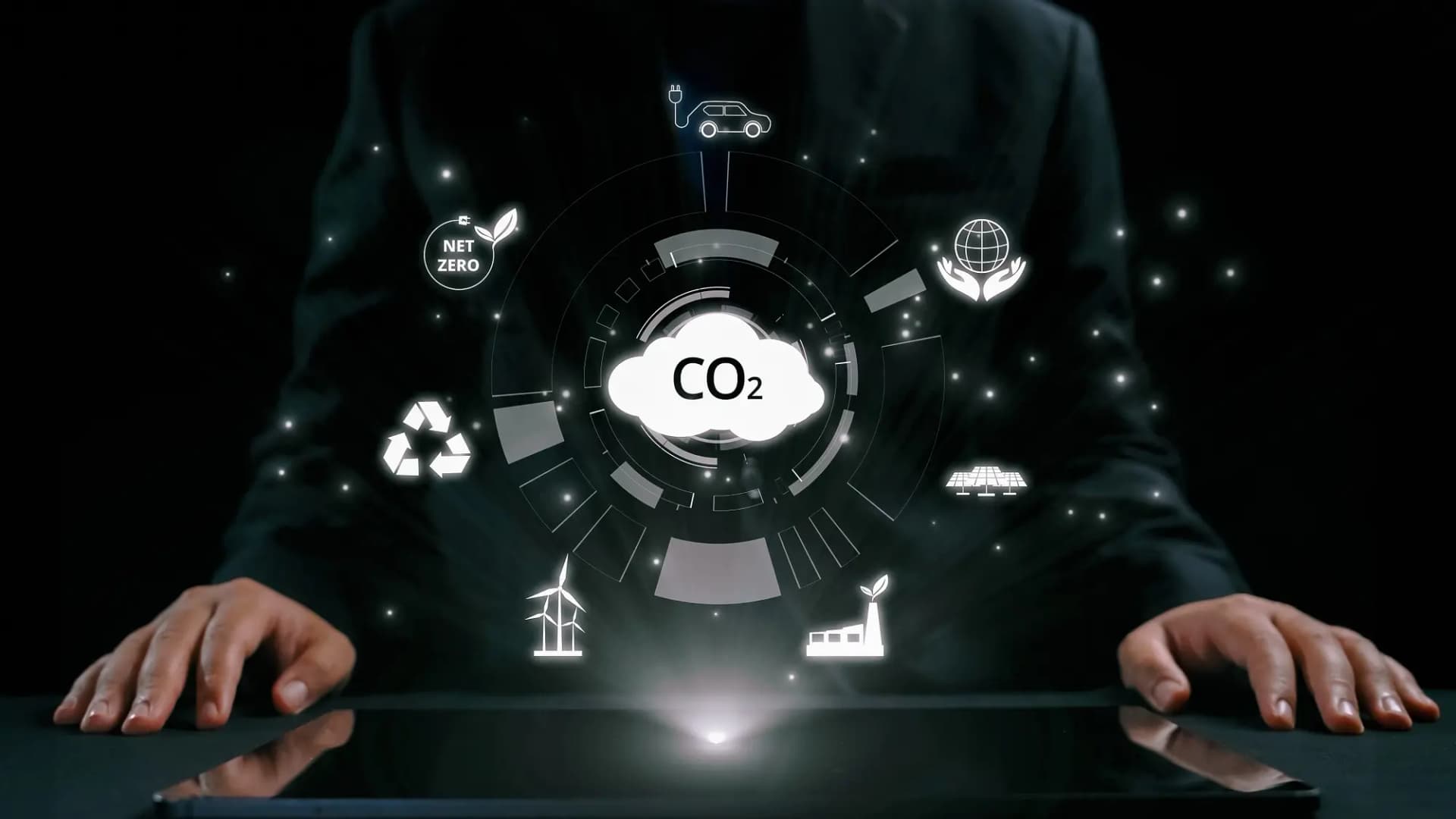
If you operate in the energy/resources industry, you bear the obligation to comply with environmental regulations.
Regulations on Air, Water, and Soil Pollution
Because the energy/resources industry carries a high risk of environmental pollution, such as the emission of hazardous substances into the air, the discharge of wastewater, and soil contamination, the related regulations must be strictly observed.
If emission limits are exceeded, strong administrative dispositions, such as administrative fines and the closure of business sites, may be imposed, and the possibility of civil claims for damages also exists.
Establishing a system to accurately measure and report pollutant emissions, together with regular inspections, is indispensable, and a plan for prompt response and remediation should be prepared in the event of a pollution incident.
Obligations for Waste Treatment and Management
Waste generated at a business site must follow strict legal standards for separation, storage, transport, and treatment, and a violation may result in administrative dispositions and criminal punishment.
When entering into a waste treatment contract, it is important to contract with a lawful treatment provider and to establish a system that manages treatment records transparently.
The introduction of eco-friendly processes to reduce waste generation, along with employee training, is also recognized as one pillar of compliant management.
Greenhouse Gas Emission Rights and Renewable Energy Regulations
The government operates an emissions trading system to reduce greenhouse gas emissions, and energy/resources companies must strictly manage emissions monitoring and the contracts for purchasing and selling emission rights.
Support policies and related incentive programs to expand the supply of renewable energy are in place, and actively using them to pursue eco-friendly management is one way to strengthen competitiveness.
4. Energy/Resources | Types of Disputes and Response Strategies

▶Contract Disputes and Non-Performance Issues
In particular, contract performance often becomes difficult due to external variables such as sharp fluctuations in raw material prices, import and export regulations, and exchange rate changes.
Disputes can be prevented by carefully defining clear performance conditions, force majeure clauses, damages standards, and contract termination requirements when drafting the contract.
When a dispute arises, a strategy is needed to promptly preserve claims through provisional attachment and provisional injunction and to assert rights through arbitration or litigation.
▶Permit Revocation and Administrative Litigation
A permit revocation disposition may be contested through administrative appeal or administrative litigation, and the company must have the disposition revoked or obtain a stay of execution by proving the public interest of the business, procedural defects, and whether the disposition is unlawful.
Thoroughly managing the lawfulness of the permit process and the satisfaction of its requirements, and working with legal professionals to secure the legal reasoning for a response in advance, is indispensable.
▶Civil and Criminal Liability Related to Environmental Pollution
Environmental crimes have a long statute of limitations and draw concentrated public attention, and the sentences tend to be substantial.
Immediately after an incident, statutory measures such as removing the source of pollution, taking remediation measures, and reporting to the relevant authorities should be carried out promptly, and an amicable settlement with the victims and a response to the criminal case should be pursued in parallel through legal counsel.
Because preventive management is the most effective approach to environmental pollution risk, it is advisable to prepare regular inspections and a manual for responding to incidents.
Legal Risk Management Checklist for Energy/Resources Industry Companies
1️⃣ Management of Permits and Administrative Regulations
□ Confirm whether the permits required for the business (power generation business license, mining permit, import and export permit, and the like) have been obtained
□ Periodically check the status of compliance with permit conditions and ancillary obligations
□ Confirm in advance the validity period of permits and the timing of renewal
□ Review the administrative dispositions, penalty surcharges, and criminal liability that may arise from a permit violation
□ Check whether essential legal obligations, such as environmental impact assessments and safety management plans, have been fulfilled
2️⃣ Compliance with Environmental Law and Safety Management
□ Confirm compliance with regulations on air, water, noise, waste, and greenhouse gas emissions
□ Confirm whether an emergency response manual and a remediation plan for environmental pollution incidents have been established
□ Confirm whether a safety and health management system has been established under the Serious Accidents Punishment Act and whether the management official's obligations are being fulfilled
□ Confirm whether regular environmental inspections and statutory inspections are being carried out
□ Manage any history of environmental regulation violations and cases of penalty surcharges or criminal punishment
3️⃣ Legal Review of Contracts and Transactions
□ Review the legal risks of long-term supply agreements, EPC contracts, and REC and carbon emission rights trading contracts
□ Clarify penalty and damages clauses within key contracts
□ Analyze the risk of non-performance and default by major business partners
4️⃣ Protection of Intellectual Property Rights and Response to Infringement
□ Confirm whether patent rights for core technology, design rights for equipment, and trademark rights for brands have been registered
□ Confirm whether a legal response system is in place in the event of a patent, trademark, or design dispute
□ Review the provisions on the attribution of rights, the scope of use, and confidentiality in technology transfer and license agreements
□ Investigate the existence of prior patents and earlier-filed trademarks and check the possibility of infringement
5️⃣ Compliance in Renewable Energy and Carbon Emission Rights Trading
□ Check whether carbon emission rights (ETS) allocations have been exceeded and review any history of false reporting
□ Confirm whether there has been unlawful trading, double selling, false reporting, or manipulation
□ Conduct a legal review of REC and emission rights trading contracts and revise the damages clauses
□ Check the risk of improper receipt of government incentives and of clawback
6️⃣ Compliance with the Monopoly Regulation and Fair Trade Act and Competition Law
□ Check for price collusion, abuse of a superior bargaining position, and unfair contracts
□ Confirm whether there is an obligation to report M&A or business combinations and conduct a prior legal review
□ Confirm any history of penalty surcharges or civil and criminal liability arising from unfair trade practices
□ Check the risks of joint acts, data exchange, and information sharing with competitors
7️⃣ System for Responding to Changes in Legislation and Policy
□ Periodically monitor amendments to related legislation, such as the Energy Act, the Electric Utility Act, and environmental laws
□ Analyze changes in the government's carbon neutrality policy and energy transition policy and reflect them in the business plan
□ Conduct a legal review when permit standards, environmental regulations, or the emission rights allocation system are reformed
□ Identify changes to the renewable energy incentive program and confirm whether it is being used
8️⃣ Establishment of a System for Dispute Prevention and Legal Advisory
□ Confirm whether regular legal risk assessments and an advisory contract are in place
□ Confirm whether a response system for provisional injunctions, damages, criminal complaints, and the like is in place in the event of a dispute
□ Secure a strategy for responding to the procedures of international arbitration, administrative appeals, administrative litigation, and civil and criminal litigation


Watch related video content
for this case study.

Risk prevention is essential for ESG management










