
CONTENTS
- 1. Traffic Accident CCTV/Dashcam | Importance

- - Key Evidence for Proving the Circumstances of an Accident
- 2. Traffic Accident CCTV/Dashcam | Methods of Securing Footage
- - Securing Vehicle Dashcam Footage
- - Securing Nearby CCTV Footage
- - Use of the Information Disclosure Request System
- 3. Traffic Accident CCTV/Dashcam | Methods of Securing Alternative Evidence
- - Securing Witness Statements
- - Organizing Accident Scene Photographs and Surrounding Circumstances
- - Estimating the Point of Collision Through Analysis of Vehicle Damage
- 4. Traffic Accident CCTV/Dashcam | When Support Is Needed

1. Traffic Accident CCTV/Dashcam | Importance
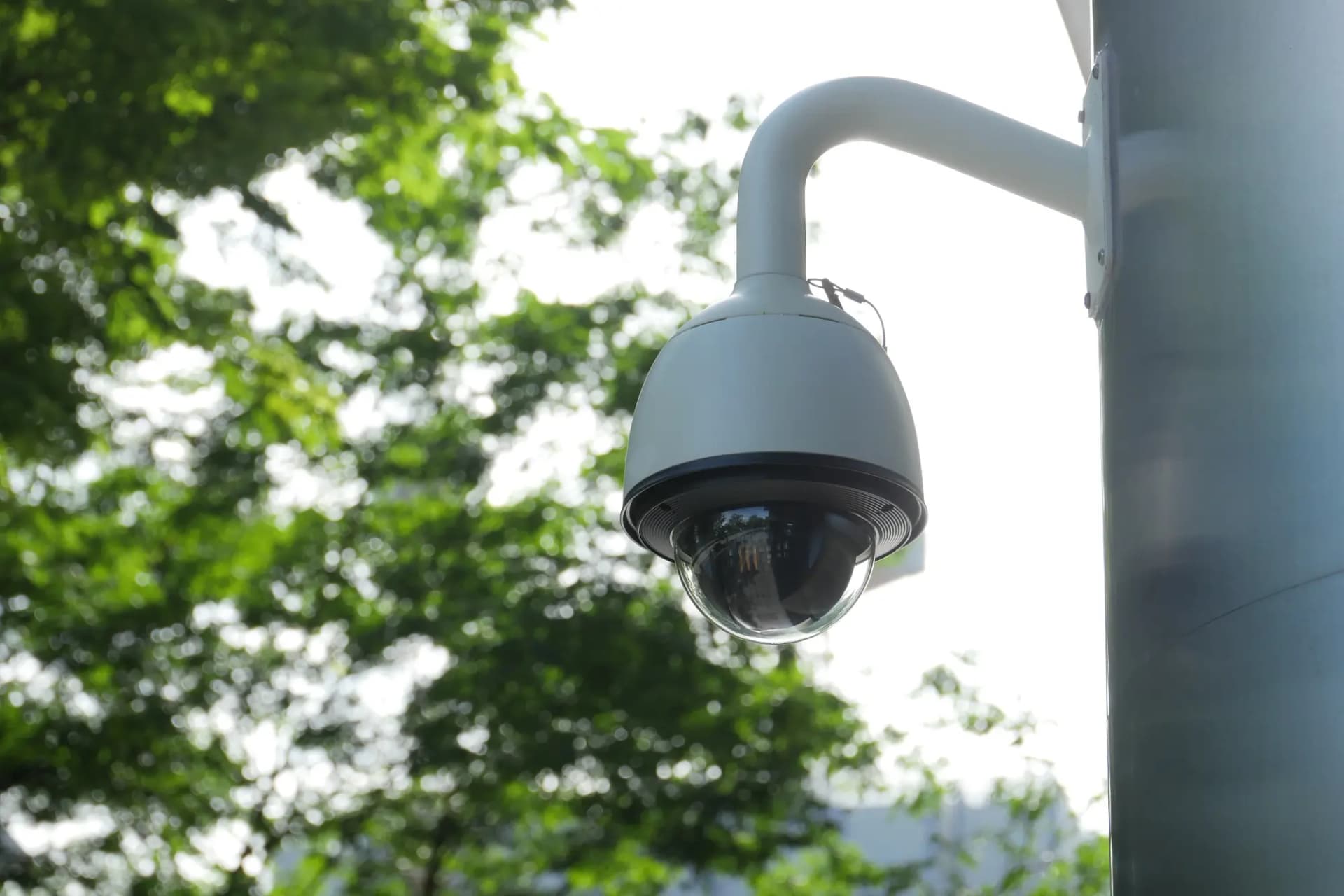
Traffic accident CCTV/dashcam footage can be decisive evidence in proving the circumstances of an accident.
An accident occurs in a very short time, so it is often difficult to remember or testify to the exact circumstances.
In such cases, a video record can serve as much stronger evidence than a mere assertion, and it may have a significant effect on the outcome across criminal, administrative, and civil matters.
 Key Evidence for Proving the Circumstances of an Accident
Traffic accident CCTV/dashcam footage captures, as it occurred, ‘who’, ‘where’, and ‘in what manner’ an accident was caused.
It can play a decisive role in proving the following issues in particular.
• Whether a safe distance was not maintained or there was a sudden stop
• Crossing the center line or changing lanes
• The point of collision and driving behavior immediately before the accident
If the dashcam footage of the accident scene is clearly recorded, a clear determination may be possible even without witness statements.
Because a dashcam continuously records the situation before and after an impact, it is used as very important evidence in determining negligence and in calculating the amount of damages.


2. Traffic Accident CCTV/Dashcam | Methods of Securing Footage

Traffic accident CCTV/dashcam footage can be decisive material for proving the truth of an accident, but because it may be automatically deleted or overwritten over time, prompt securing of the footage is very important.
Securing Vehicle Dashcam Footage
① Check the vehicle dashcam memory immediately after the accident
The footage for the five to ten minutes before and after the time of the accident must be saved separately.
A dashcam may automatically save footage upon detecting an impact, but a manual backup may be necessary.
② Backing up the footage is recommended over keeping the memory card
Removing and keeping the memory card without consideration may risk damaging the footage, so a backup through a smartphone app or a dedicated program is safer.
③ When saving, keep both the original footage and a separate copy
Whether footage is an original may later be an important factor in a police investigation or when submitting it to a court.
Securing Nearby CCTV Footage
External CCTV installed near the accident site, such as at shops, homes, public institutions, and bus stops, can also be very useful evidence.
Such footage is, in most cases, automatically deleted or overwritten within 7 to 30 days, so a prompt response is necessary.
① Before requesting footage, confirm the relevant building or manager information
Visit the nearby shop or the building management office directly, explain the time and location of the accident, and confirm whether footage remains.
② Send an official letter requesting preservation of the footage
If a personal request is refused, an official letter requesting preservation of the footage may be sent in the form of a certified mail (content-certified mail) under the name of an attorney or under one's own name.
③ Request cooperation from the police
If it is difficult to make the request directly, after the accident is reported, requesting the police officer in charge to secure the CCTV may allow a formal request to be made for investigative purposes.
Use of the Information Disclosure Request System
An information disclosure request is a system under which a member of the public may request information held and managed by public institutions, such as state agencies, local governments, and police stations.
Using this system, one may formally request the CCTV footage recorded at the time of the traffic accident.
▶ Method of Request
3. Traffic Accident CCTV/Dashcam | Methods of Securing Alternative Evidence
In many cases, traffic accident CCTV/dashcam footage is not secured.
Without video evidence, it may be difficult to prove the circumstances of the accident, so preparing other evidence in a systematic manner is important.
Securing Witness Statements
If there is a person who witnessed the accident scene, obtain their contact information and obtain a statement on the circumstances of the accident as soon as possible.
The statement should be recorded in a specific and consistent manner, and it should include the time of the accident, the positions of the vehicles, their movements, and the signal status, in order to enhance its reliability.
Organizing Accident Scene Photographs and Surrounding Circumstances
Immediately after the accident, take photographs of the scene from every possible angle.
Carefully record the positions of the vehicles, the damaged areas, the road conditions, the status of traffic lights and traffic signs, the lane markings, and the tire marks on the road surface.
Organizing the surrounding environment (streetlights, buildings, guardrails, and the like), the weather at the time of the accident, and whether visibility was secured can also help in analyzing the cause of the accident.
Estimating the Point of Collision Through Analysis of Vehicle Damage
Record the damaged areas of each vehicle in detail with photographs, and, where possible, request a damage analysis from a repair shop or an expert.
The location and form of the damage can be used to estimate the point of collision at the time of the accident, and this serves as an important basis for determining the ratio of negligence and for reconstructing the circumstances of the accident.
4. Traffic Accident CCTV/Dashcam | When Support Is Needed
In a traffic accident, CCTV and dashcam footage is very important evidence for clearly establishing the circumstances of the accident.
However, the process from securing the footage to pursuing the legal procedures is complex and demanding, so it is often difficult to respond smoothly alone.
This is because the preservation period for footage is short, and specialized knowledge is needed regarding the methods of securing it and whether it will be admitted as evidence.
Our firm operates its own Evidence Investigation Center and Digital Forensics Center, and it provides systematic support for traffic accident CCTV/dashcam footage, from securing and analysis to preservation.
In addition, attorneys focusing on each field collaborate to analyze and review the collected video material and provide comprehensive assistance, from understanding the case to establishing a response strategy.
If you are having difficulty securing traffic accident CCTV/dashcam footage, 🔗Traffic Accident Attorney may be consulted for assistance.
See More


Watch related video content
for this case study.

What if the ‘traffic accident fault ratio’ cannot be recognized? A solution from a traffic accident lawyer!