
CONTENTS
- 1. Crime of Identity Theft | Definition

- - Representative Types
- - Recent Cases
- 2. Crime of Identity Theft | Level of Punishment
- - Criminal Act
- - Personal Information Protection Act
- - Resident Registration Act
- - Telecommunications Business Act
- 3. Crime of Identity Theft | How to Respond
- - Ascertaining the Facts
- - When the Charge Is Admitted
- - When the Charge Is Denied
- 4. Crime of Identity Theft | Need Assistance?

1. Crime of Identity Theft | Definition

The crime of identity theft is, literally, the use of another person's identity without authorization.
No statute expressly provides for a charge specifically named ‘identity theft.’ Instead, depending on the circumstances, the conduct is punished under the Resident Registration Act, the Criminal Act, or other laws.
Here, ‘identity’ means the personal information that the State assigns to an individual, including one's name, resident registration number, address, and contact details.
In turn, ‘misappropriation’ means the use of such personal information for one's own benefit without the other person's consent.
 Representative Types
▷ Misappropriation of mobile phone identity
▷ Misappropriation of identity for loans
▷ Misappropriation of a resident registration number, etc.
Recent Cases
The crime of identity theft does not stop at the mere misappropriation of personal information. It can cause substantial financial harm and even lead to secondary crimes.
The following are actual identity theft cases that occurred recently, and they show how serious the offense can be.
▷ A case in which a well-known singer, A, had stock taken through identity theft while serving in the military
▷ A case in which a person working as a secretary misappropriated the director's identity to siphon off 2.1 billion won, etc.
2. Crime of Identity Theft | Level of Punishment
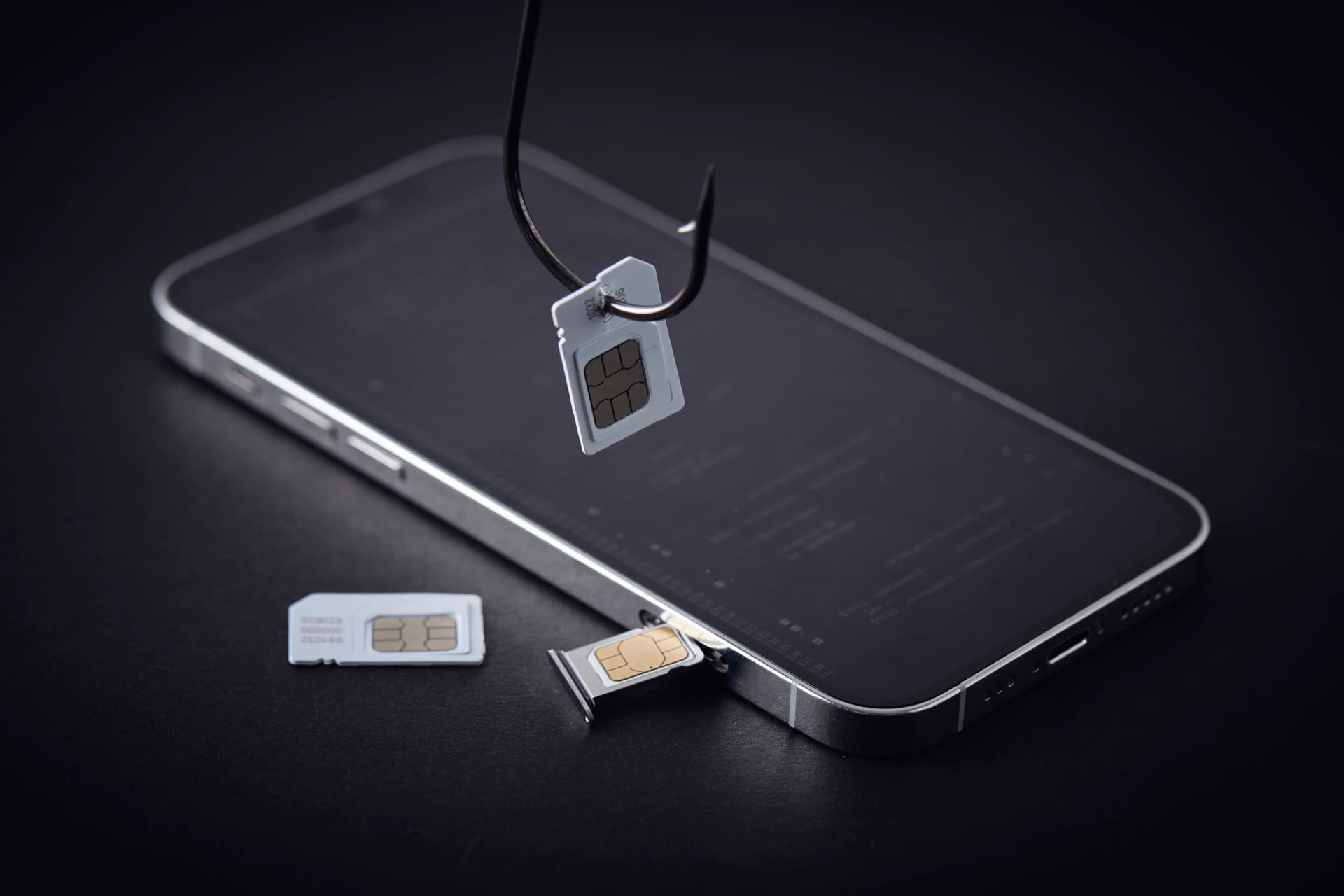
For the crime of identity theft, the applicable statute depends on what unlawful act was committed by misappropriating the identity and what harm the victim suffered.
Criminal Act
The most common harm arising from identity theft is fraud, such as voice phishing.
When a person deceives another using that person's identity and obtains a pecuniary benefit, the conduct is punished under Article 347 of the Criminal Act.
▶ Article 347 of the Criminal Act
Fraud | Imprisonment for not more than 20 years or a fine not exceeding 50 million won |
If a person forges or alters another's identification card or related documents and uses them to activate a mobile phone or obtain a loan, the conduct may constitute forgery of a private document and uttering of a forged private document.
▶ Article 231 of the Criminal Act
| Forgery or alteration of a private document, etc. | Imprisonment for not more than 5 years or a fine not exceeding 10 million won |
▶ Article 234 of the Criminal Act
| Uttering of a forged private document, etc. | A person who utters a document, drawing, or special media record such as an electronic record made by the crime of forgery or alteration of a private document, etc., shall be subject to the punishment prescribed for that crime. |


Personal Information Protection Act
If a person collects another's identity or similar information by unlawful means and uses it for unlawful acts, that person is punished under the Personal Information Protection Act.
▶ Article 71 of the Personal Information Protection Act
Violation of the Personal Information Protection Act | Imprisonment for not more than 5 years or a fine not exceeding 50 million won |
Resident Registration Act
A person who unlawfully uses another person's resident registration number, or who uses an image file or a copy of a resident registration card without authorization, may be subject to the following punishment under the Resident Registration Act.
| Article 37 of the Resident Registration Act | Imprisonment for not more than 3 years or a fine not exceeding 30 million won |
Telecommunications Business Act
A person who activates a mobile phone in another person's name or pays the charges on that person's behalf may, on the charge of violating the Telecommunications Business Act, be subject to the following punishment.
| Article 97 of the Telecommunications Business Act | Imprisonment for not more than 1 year or a fine not exceeding 50 million won |
3. Crime of Identity Theft | How to Respond

The crime of identity theft involves misappropriating another's identity without the victim's consent. It can take various forms, such as fraud and financial crimes, and it is a serious offense that may result in criminal punishment.
To mount a defense, you should closely analyze the motive for the identity theft, the nature of the conduct, and the extent of the harm, and build a specific strategy on that basis.
Ascertaining the Facts
If you have been reported for the crime of identity theft, you should first determine the circumstances under which the report was filed.
After that, you need to confirm the scope of the economic harm or legal issues arising from the identity theft and pin down the extent of the damage in concrete terms.
For example, it is advisable to organize records such as the number of mobile phones activated, the loan amounts, and credit card usage history.
In addition, during a police or prosecutorial investigation, you must be sure to confirm the specific charges that have been applied to you.
Only by accurately determining the law under which you have been indicted, such as forgery of a private document, violation of the Electronic Financial Transactions Act, or violation of the Telecommunications Business Act, can you build a sound response strategy.
When the Charge Is Admitted
When the charge is admitted, an active response is needed in order to reduce the punishment.
First, it helps to demonstrate efforts to remedy the harm through a settlement with the victim.
In practice, whether a settlement is reached can have a significant impact on the sentence.
It also helps to show a sincere attitude through measures such as submitting a letter of apology and giving an honest account of the motive and circumstances of the offense.
Rather than offering mere excuses, it is advisable to set out the situation and your state of mind at the time in concrete terms and to present a plan to prevent recurrence.
Genuine remorse and efforts to remedy the harm may count as favorable factors when the court determines the sentence.
When the Charge Is Denied
When an identity theft charge is denied, it is very important to secure as much favorable evidence as possible and prepare systematic rebuttal materials.
You should closely analyze the relevant evidence with a legal expert and prepare thoroughly so that it can be presented effectively in court.
In addition, caution is needed when giving statements during a police or prosecutorial investigation. Rather than responding on your own, it is advisable to coordinate your statements thoroughly with an attorney in advance.
This can help prevent unnecessary mistakes in your statements and allow you to convey your position clearly.
4. Crime of Identity Theft | Need Assistance?
The crime of identity theft does not stop at merely using another's information without permission. It can cause significant psychological and financial harm to the victim, so a prompt and thorough legal response is needed.
Daeryun Law Firm closely investigates all facts related to the crime of identity theft and thoroughly reviews the truth of the charge. Where the charge is not true, we present legal evidence to prove this.
In addition, we carefully analyze the sentencing factors that fit the client's circumstances and prepare a response, working to minimize an unfavorable outcome.
If you are facing difficulties because of the crime of identity theft, you may ask a criminal attorney at Daeryun Law Firm for assistance at any time.
See More


Watch related video content
for this case study.

If a criminal case cannot be settled, is criminal deposit possible without the victim's consent?