
CONTENTS
- 1. Grave Site Easement | Definition and Legal Basis

- - Legal Basis
- - Terminology
- 2. Grave Site Easement | Types of Establishment
- - Consent-Based Grave Site Easement
- - Prescription-Acquired Grave Site Easement
- - Transfer-Type Grave Site Easement
- 3. Grave Site Easement | Duration and Obligations
- - Duration
- - Obligation to Pay Land Use Fees
- 4. Grave Base Right | Effect and Extinction
- - Grounds for Extinction
- 5. Grave Base Right | Approaches to Responding to Legal Disputes
- - Determining Whether the Right Exists
- - The Landowner's Response
- - The Grave Owner's Response
- - Use of Mediation and Settlement
- 6. Grave Base Right | Checklist
- - Support System of Real Estate Specialist Attorneys

1. Grave Site Easement | Definition and Legal Basis
A right to a grave site is the right to use the land of the site portion in order to own a grave on another person's land.
 Legal Basis
A right to a grave site is generally similar to a superficies under the Civil Act, but it is a special form of real right that may be established under customary law even without an express agreement between the parties.
Civil Act, Article 279 (Contents of Superficies)
Terminology
The terms frequently used in connection with a right to a grave site are as follows.
: A “grave” is a facility for burying a body or remains.
∙ Customary law
: This is a practice that, through repetition concerning a certain matter, has come to be supported by the legal conviction of the members of society and has acquired the substance of a legal norm.
2. Grave Site Easement | Types of Establishment

A right to a grave site may be established even without an express contract or registration once certain requirements are met, and case law broadly divides it into the following three types.
Consent-Based Grave Site Easement
Where a grave is installed with the consent of the landowner, a right to a grave site is deemed to be established under customary law even if no clear legal relationship, such as a superficies or a lease agreement, has been established between the parties.
In this situation, customary law supplements the parties' intent in order to recognize the right.
Supreme Court Decision 99Da14006, decided September 26, 2000
Prescription-Acquired Grave Site Easement
Even for a grave installed without the consent of the landowner, where it has been possessed peacefully and openly for 20 years or more, the right to a grave site under customary law is deemed to have been acquired by prescription.
In this case, however, the following restrictions apply.
▶ For graves installed thereafter, only a maximum duration of 60 years is recognized
Transfer-Type Grave Site Easement
Where a person installs a grave on their own land and then disposes of the land to a third party without a separate agreement to reserve or transfer ownership, a right to a grave site under customary law is also established.
In this case, the grave owner retains the right to continue using the site land even though ownership of the land has been transferred.


3. Grave Site Easement | Duration and Obligations

Because a right to a grave site is established under customary law, special rules that differ from the general provisions of the Civil Act apply to its duration and obligations as well.
Duration
The duration of a right to a grave site does not follow the provisions on superficies under the Civil Act, and where the parties have an agreement or special circumstances exist, it follows that agreement or those circumstances.
Where there is no separate agreement, however, it is generally regarded as follows.
Duration (Supreme Court Decision 94Da28970, decided August 26, 1994)
▷ Where the guarding and worship of the grave continue
Obligation to Pay Land Use Fees
Even where a right to a grave site is recognized under customary law, an obligation to pay land use fees (compensation for use) arising from occupying and using the land may still arise.
In particular, where the landowner requests land use fees, there is an obligation to pay the land use fees accruing from the date of the request onward.
Supreme Court en banc Decision 2017Da228007, decided April 29, 2021
4. Grave Base Right | Effect and Extinction
Unlike an ordinary superficies, a right to a grave site is a real right established under customary law, and its effect is recognized even without registration.
This has been recognized on the ground that the grave itself, by its outward existence, serves a public notice function in part.
Supreme Court Decision 96Da14036, decided June 14, 1996
Grounds for Extinction
A right to a grave site is extinguished in cases such as the following.
Ground | Explanation |
Loss or Relocation of the Grave | Where the grave is physically destroyed, or the owner voluntarily relocates it |
Cessation of Maintenance and Ritual Care | Where management of the grave has effectively ceased or been neglected for a long period |
Agreement of the Parties or Waiver of the Right | Extinction through an express waiver of the right by the holder of the right to a grave site or by agreement with the landowner |
Lapse of the Period under the Act on Funeral Services, Etc. | For graves installed on or after January 13, 2001, a right to a grave site is recognized for a maximum of 60 years |
5. Grave Base Right | Approaches to Responding to Legal Disputes
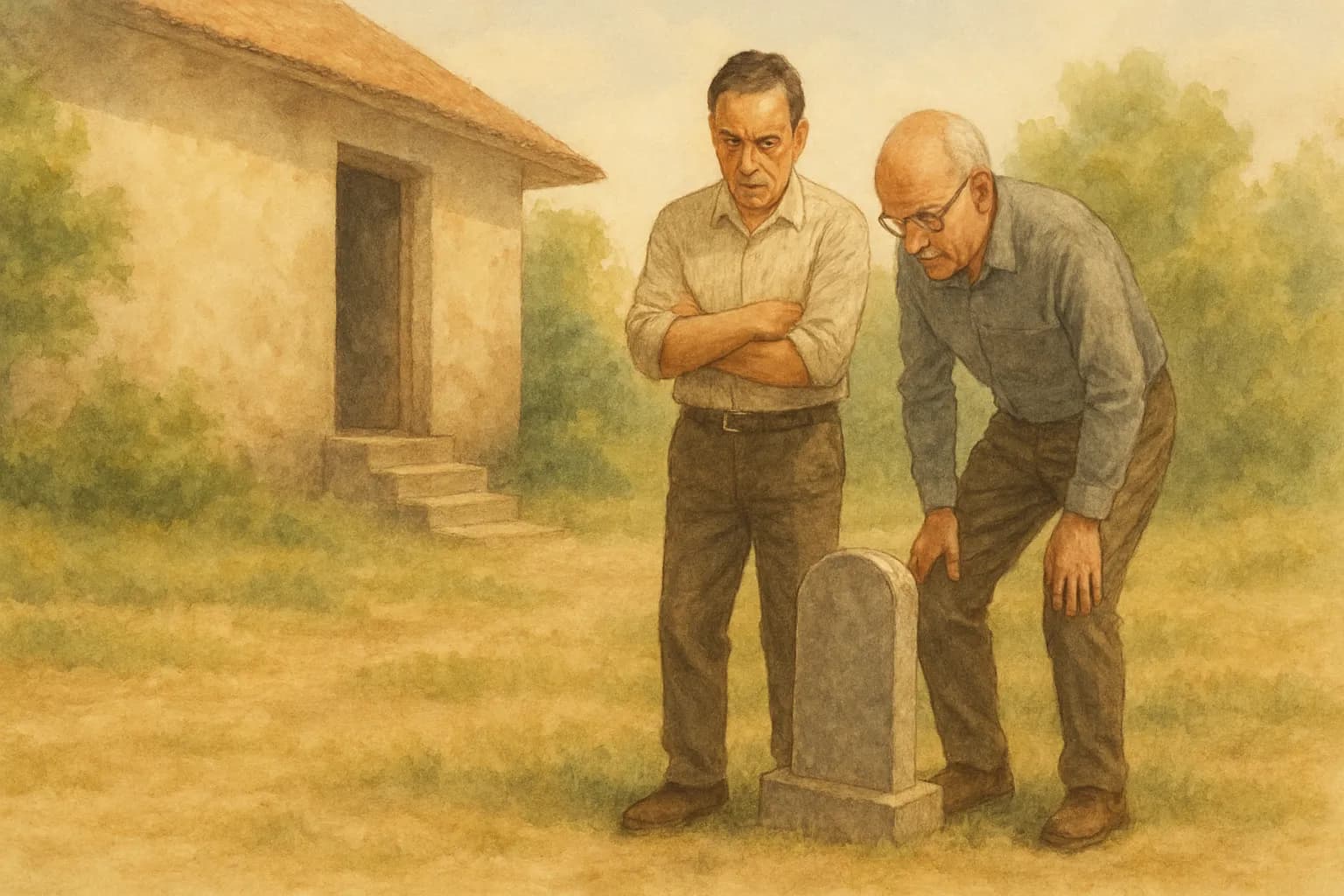
Because a right to a grave site is a real right established under customary law without registration, legal disputes between the landowner and the grave owner frequently arise over land on which a grave is located.
We will review the main response strategies in actual disputes.
Determining Whether the Right Exists
The core of the dispute is whether a right to a grave site has actually been established for the grave in question.
To determine this, the following factors are considered together.
▷ Whether the landowner consented at the time of installation
▷ Whether the grave had remained peacefully and openly for 20 years or more
▷ Whether acts of maintenance and ritual care for the grave continued
The Landowner's Response
Where a right to a grave site is not recognized or has already been extinguished, the landowner may bring a claim for removal of the grave and delivery of the land.
∙ Filing a civil lawsuit if the request is not complied with
∙ Proceeding with compulsory execution after a final judgment
The Grave Owner's Response
From the grave owner's standpoint, the existence of a right to a grave site may be asserted and proven through the following.
∙ Proof of 20 or more years of occupation and the existence of a burial mound (aerial photographs, testimony from neighbors, ancestral rite records, and the like)
∙ The details of an implied agreement with the landowner
In addition, where the landowner has requested land use fees, there is an obligation to pay the land use fees accruing from the date of the request.
Use of Mediation and Settlement
Because a civil lawsuit may take a long time, where there is some room for a right to a grave site to be recognized, a practical resolution through mediation or conciliation may also be considered.
In particular, preparing a conditional settlement proposal, such as payment of land use fees and relocation after a certain retention period, may be effective.
6. Grave Base Right | Checklist
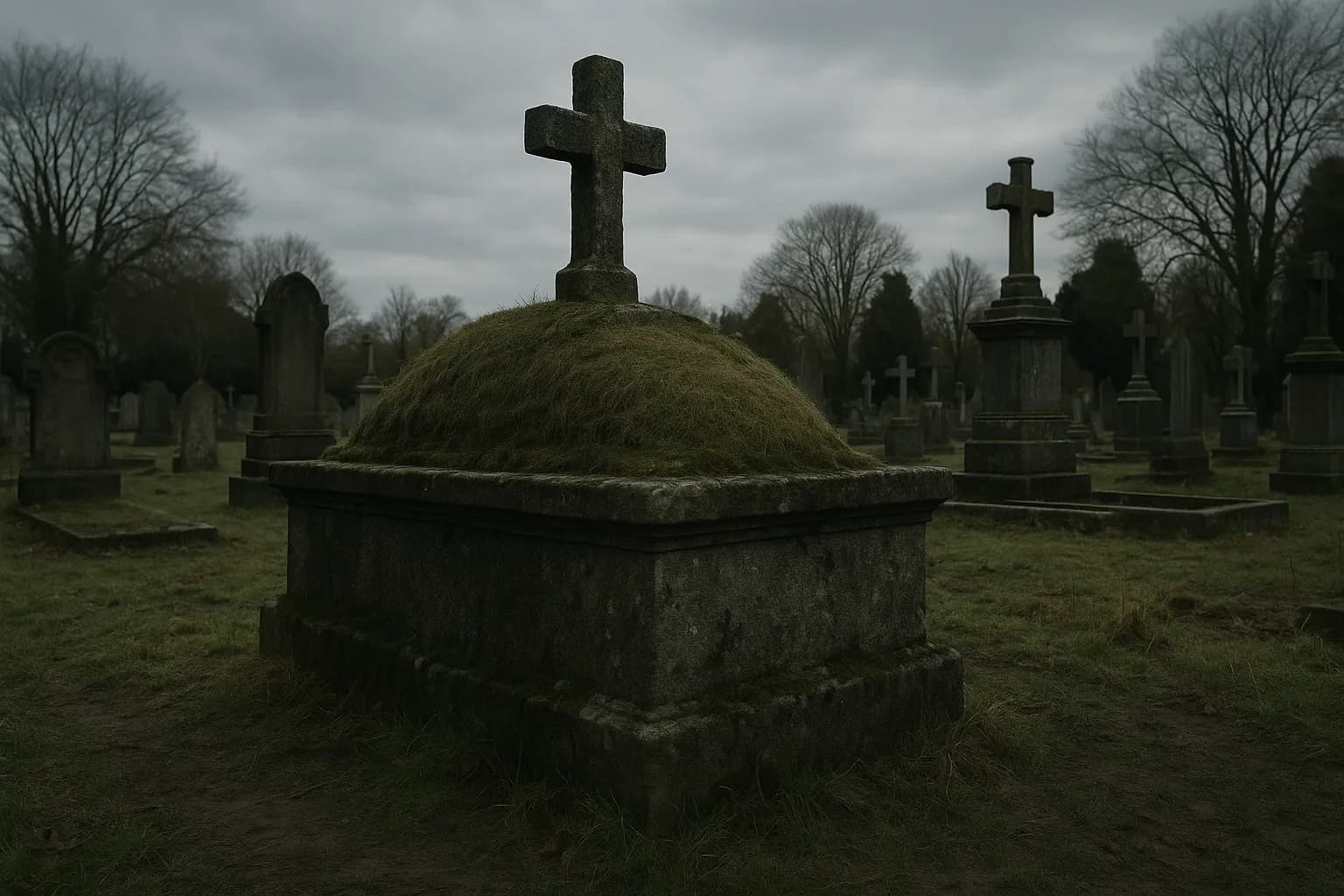
A right to a grave site is a special real right recognized under customary law, and complex legal issues, such as claims for removal and delivery or for preservation, often arise in actual land disputes.
Please use the checklist below to review in advance the requirements for establishing a right to a grave site and the strategies for responding to disputes.
Item | Points to Check |
Time of Installation | Was the grave installed before January 13, 2001? |
Consent to Installation | Was the landowner's consent obtained at the time of installation? (Express or implied) |
Period of Occupation | Has it existed peacefully and openly for 20 years or more? |
Condition of the Burial Mound | Is the burial mound maintained, and do upkeep and ritual care, such as ancestral rites and management, continue? |
Supporting Evidence | Are supporting materials that prove retention, such as aerial photographs, ancestral rite records, and witness statements, prepared? |
Support System of Real Estate Specialist Attorneys
This law firm has many real estate specialist attorneys registered with the Korean Bar Association.
We can therefore assist across the entire process, from determining whether a right to a grave site is established, to reviewing the period of duration, responding to litigation, and organizing supporting evidence.
We also review whether the requirements, such as the time, form, and management condition of the grave installation, are met, and we build a response strategy tailored to the matter.
If you face a situation that calls for a response regarding a right to a grave site, please confirm a strategy suited to your current circumstances through a 🔗real estate specialist attorney legal consultation booking.
Daeryun Law Firm helps resolve cases through the systematic strategies of legal experts across multiple fields.


Watch related video content
for this case study.

How to respond to auction/encumbrance lawsuits