
CONTENTS
- 1. Customs Investigation | The Importance of Responding to an Investigation

- 2. Customs Investigation | Overview and Types of Investigation
- - Criteria for Selecting Subjects
- - Key Areas of Investigation
- 3. Customs Investigation | Investigation Procedure and Method
- - Maximum Period of a Customs Investigation
- - Representative Methods of a Customs Investigation
- - List of Materials to Prepare for the Investigation
- - Conclusion of the Investigation and Appeal Procedures
- - Notification Disposition
- 4. Customs Investigation | Protection of Taxpayer Rights and Compulsory Measures
- - Areas in Which Protection of Rights May Be Requested
- - Possibility of Compulsory Measures
- 5. Customs Investigation | Practical Tips for Target Companies

1. Customs Investigation | The Importance of Responding to an Investigation
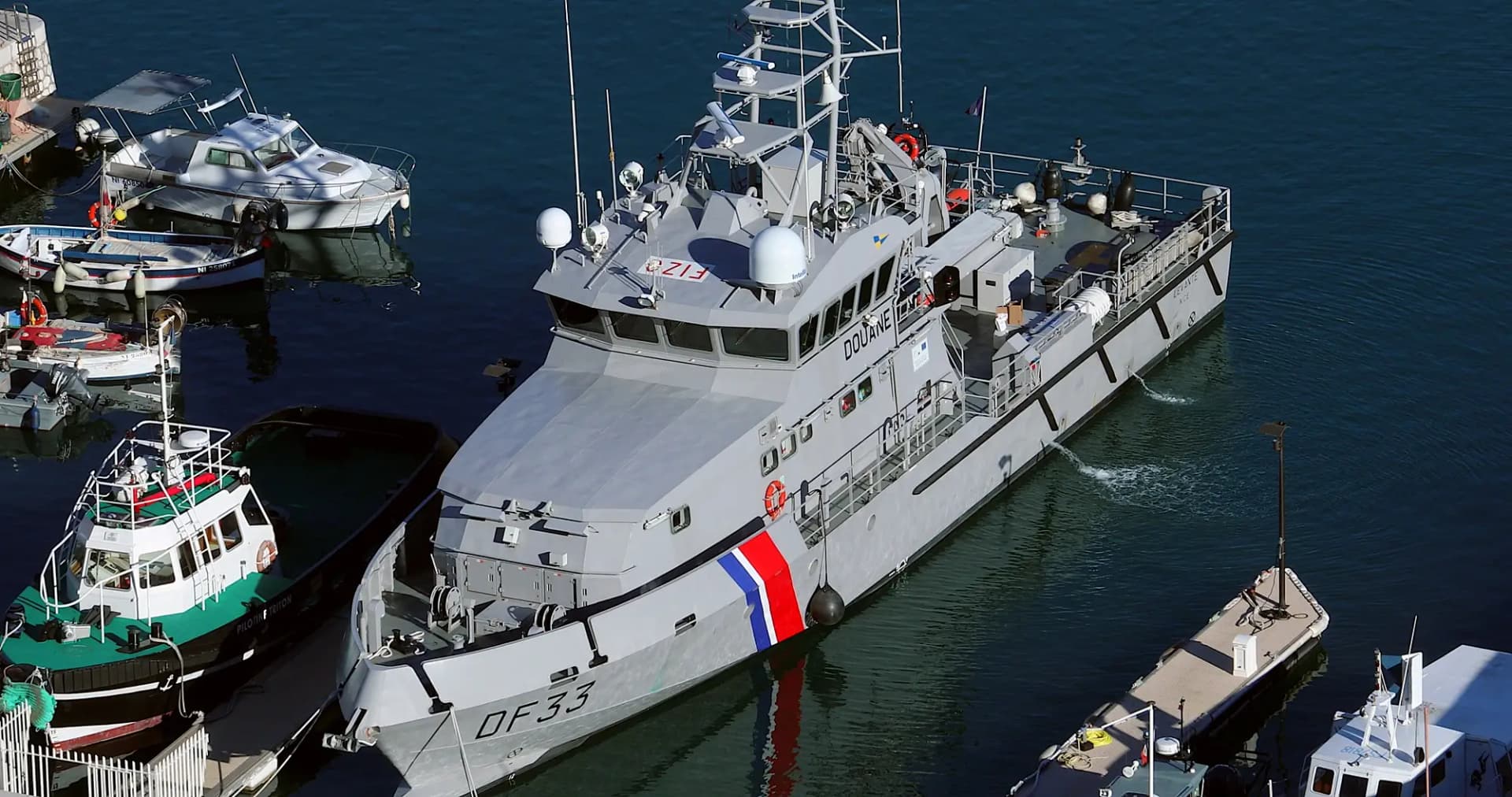
A customs investigation is a procedure for examining a taxpayer's books, documents, and goods in order to determine or correct the customs tax base and tax amount.
Customs reviews the taxpayer's customs-related operations as a whole and detects unlawful conduct, correcting matters such as omitted taxation and false declarations.
It is conducted by visit or in writing, and customs officials who may exercise judicial police authority may proceed even to compulsory investigation, such as discretionary investigation, applications for a detention warrant, search and seizure, and arrest of a person caught in the act.
Import and export activities form an important pillar of the national economy, and such activities necessarily involve various statutes and procedures related to customs duties.
Because customs duties help maintain the order of international trade and protect domestic industry, this stage has a significant effect on national finances, so import and export companies are advised to apply the customs statutes accurately and to comply faithfully with the various filing requirements.


2. Customs Investigation | Overview and Types of Investigation
A customs investigation is an administrative procedure in which, under the 「Customs Act」, customs officials of the Korea Customs Service directly examine various documents and physical items of an importer/exporter or taxpayer, such as accounting books, tax invoices, documentary evidence of country of origin, and records of foreign exchange transactions, to confirm whether the tax base and tax amount have been declared properly.
It is distinct from a simple after-the-fact verification and may take various forms beyond ordinary document review, such as on-site investigation, written investigation, and simplified investigation.
In particular, a simplified investigation system was introduced beginning in 2024 to reduce the burden on customs and on faithful companies as well.
It is distinct from the existing regular and non-regular investigations and targets companies whose level warrants an investigation but whose risk is relatively low; it obtains the necessary explanations and concludes through a document-centered or short on-site investigation.
With the simplified investigation system in place, low-risk companies benefit from a substantially reduced customs investigation period and a smaller scope of materials to be submitted.
 Criteria for Selecting Subjects
Subjects are selected by considering the following criteria as a whole.
Regular Investigation
- Suspicion of non-compliance based on the results of a regular faithfulness analysis
- Need for verification because no investigation has been conducted for at least the past 4 years
- Sample investigation by random selection
Non-Regular Investigation
- Failure to meet tax cooperation obligations, such as declaration, application, and submission of customs valuation materials
- A specific tip about tax evasion by an importer/exporter
- Discovery of materials indicating suspicion of tax evasion or error in the declared contents
- A taxpayer providing or arranging money or valuables to a customs official
Type | Description |
Customs Investigation (formerly Corporate Examination) | Examining a taxpayer's books, documents, and goods by visit or in writing in order to determine or correct the customs tax base and tax amount |
Regular Customs Investigation (formerly Corporate Audit) | An examination of the lawfulness of customs clearance for companies selected as customs investigation subjects by the regular selection method |
Non-Regular Customs Investigation (formerly Planned Examination) | An examination of the lawfulness of customs clearance for companies selected as customs investigation subjects by a method other than regular selection |
Simplified Investigation (newly established) | A customs investigation targeting low-risk companies among those selected as customs investigation subjects, considering their level of cooperation with customs administration, faithfulness, and past customs investigation history; it requests explanatory materials, conducts verification, shortens the on-site investigation period to within 10 days, and provides guidance and advice on points to note |
※ The previously operated 「Directive on the Operation of Corporate Examination」 was amended to the 「Directive on the Operation of Customs Investigation」 (2024.01.01)
Key Areas of Investigation
- Appropriateness of the customs value: application of the normal transaction price, whether a special relationship exists, and similar issues
- Classification of goods and application of tax rates: HS code errors, whether high-tax-rate items have been omitted
- Whether permits, approvals, or conditions are imposed: review of prohibited or restricted import items
- Appropriateness of quantity, weight, and specifications
- Legality of applications for customs reduction or exemption
- FTA certificates of origin and whether after-the-fact verification has been addressed
- Appropriateness of the settlement of internal taxes, such as value-added tax
- Status of bonded area operations
- Whether the statutes governing foreign exchange transactions have been complied with
- Possibility of infringement of intellectual property rights
- Whether refunds have been improperly received
3. Customs Investigation | Investigation Procedure and Method
A customs investigation is conducted with strict procedural fairness.
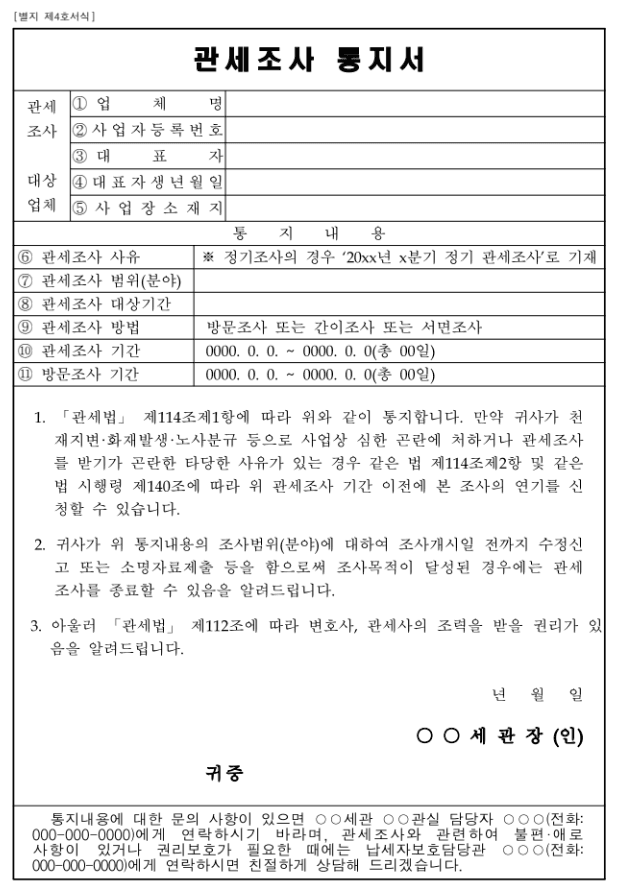
Customs must first send the taxpayer a prior notice of the customs investigation at least 20 days before the investigation begins, and this notice includes the necessary information, such as the period under investigation, the scope of the investigation, the list of materials to be submitted, the investigation period, and an integrity agreement.
The same applies to a re-investigation.
Maximum Period of a Customs Investigation
The maximum length of the investigation is set by statute.
- General investigation period : 90 days
- Simplified investigation period : 10 days
- Re-investigation period : 60 days
- Extension if necessary : 120 to 180 days
- Extension of the investigation period : 20 days
For an on-site investigation, the actual visit takes place within 20 days, and for a small or medium-sized enterprise, it can be adjusted to within 10 days.
[Main Grounds for Extending the Investigation Period]
Representative Methods of a Customs Investigation
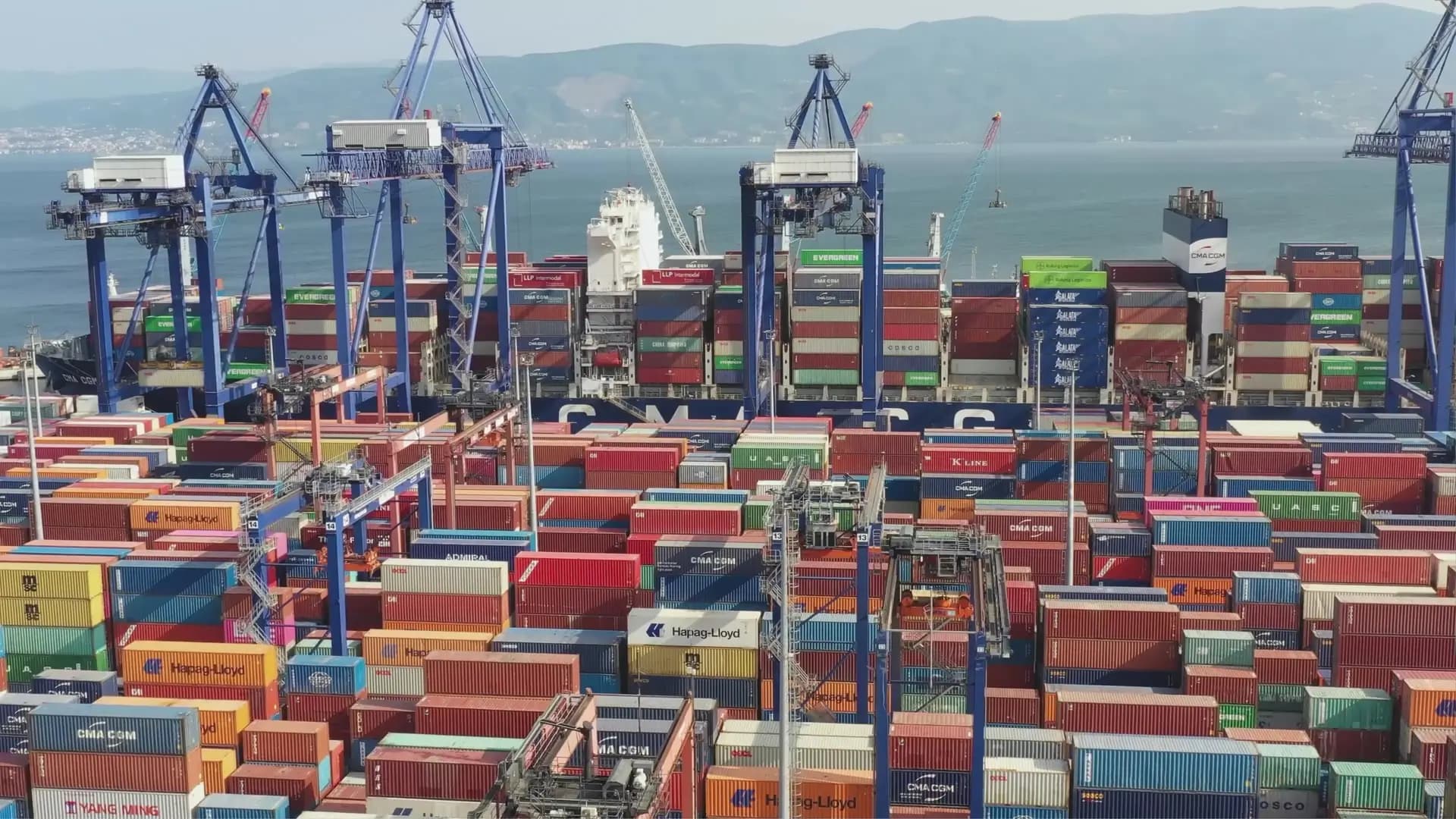
A customs investigation is generally divided into an on-site investigation and a written investigation.
An on-site investigation is the default, but the method is chosen according to the company's risk level and the complexity of the matter.
- Written investigation : review of documents and books at the customs office
- On-site investigation : a customs official visits the company in person
-review of books and electronic data
-in the form of an interview with the person in charge
A written investigation applies where the submitted materials alone allow a sufficient explanation, and the complexity of the investigation is low.
However, if a matter arises that cannot be explained through a written investigation, it may be changed to an on-site investigation or an integrated investigation.
Note that the intensity of the investigation varies with the completeness of the materials and the accuracy of the responses.
List of Materials to Prepare for the Investigation
The target company need only prepare the materials within 10 days from the date it receives the relevant customs investigation notice and submit them to the head of the customs office.
Company Introduction | Company description materials, management organization chart, import/export transaction items, domestic purchase and sales materials, and the like |
Trade Procedures | Trade business process, list-clearance goods description materials, and the like |
Import/Export Declaration and Transaction Materials | Import/export declaration certificates, invoices, proforma invoices, list of import/export transaction contracts |
Foreign Exchange Transaction Materials | Foreign exchange transaction records, capital transaction reports, reports of overseas direct investment and the like, |
Accounting and Tax Materials | ERP data flow chart, audit report, settlement report, business report, general ledger, purchase ledger, inventory receipts and disbursements ledger, and the like |
Customs Value | Imported goods transaction contracts, price materials, records of cost payments, royalties and fees, production support and other contracts |
Special-Relationship Transactions | Status of cross-shareholdings among related parties, breakdown of the price calculation for imported goods, transfer pricing analysis report, National Tax Service returns, and the like |
Customs Reduction Materials | Catalogs and other description materials of the goods for which reduction is applied, ledger for the follow-up management of reduction applications |
Clearance Requirements and Customs Refund Materials | Import/export announcements, product production plans and work orders, refund applications, and the like |
Country of Origin | Materials related to the application of preferential agreement tariff rates by country of origin |
Classification of Goods | Records of advance rulings on the classification of goods, product description sheets for the goods handled, materials supporting the classification of goods, and the like |
See More
Conclusion of the Investigation and Appeal Procedures
After the customs investigation concludes, an evaluation meeting is held to hear the taxpayer's views, the result is notified, and the deficient tax amount is collected or the customs offense is processed.
At this point, the taxpayer may use stage-by-stage appeal procedures, such as a pre-assessment review, an objection, a request for review, and a request for adjudication.
If the taxpayer still wishes to contest the matter after the request for adjudication, an administrative lawsuit may be filed within 90 days, in which case the suit is brought before the administrative court.
For the appeal procedures, the taxpayer should organize materials addressing the infringement of rights and the unjust taxation and collection.
Notification Disposition
A customs notification disposition is an administrative act in which customs directs a person to pay an amount equivalent to a fine, goods to be confiscated, and an amount corresponding to a collection of equivalent value for a violation of the Customs Act that is considered relatively minor.
In this case, it does not result in a criminal record (prior conviction).
If the fine for the notification disposition is paid or the disposition is otherwise fulfilled, it has the same effect as a final judgment of the court, and if the notification disposition is not fulfilled, the matter proceeds to criminal litigation procedures, such as a complaint to the prosecutors' office.
4. Customs Investigation | Protection of Taxpayer Rights and Compulsory Measures

In a customs investigation, the rights of the taxpayer are guaranteed by law.
Customs must explain and deliver the Taxpayer's Charter of Rights before the investigation begins, and the taxpayer is accordingly guaranteed rights such as limiting any expansion of the scope of the investigation, requesting its suspension, and having a representative present.
In addition, where the period, field, or target items subject to investigation, and the like, must be expanded, the prior approval of the taxpayer protection officer is required at least 3 days before the end of the investigation period.
Areas in Which Protection of Rights May Be Requested
For matters arising before the disposition of the head of the customs office is completed, if a customs official abuses discretion or a right is unjustly infringed while carrying out or planning to carry out customs administration, the taxpayer may request protection of rights from the taxpayer protection officer.
- Approval to expand the scope of a customs investigation
- Request to extend or temporarily suspend the customs investigation period
- Extension of the period of temporary custody of books and the like
- Whether to issue a decision not to issue a corrected import tax invoice, and the like
However, a protection request regarding matters such as an offense investigation, a foreign exchange investigation, or a foreign exchange inspection is not within the duties of the taxpayer protection officer.
Possibility of Compulsory Measures
A customs investigation does not end at the administrative procedure stage but is a quasi-judicial investigation that may be backed by compulsory measures.
If a person refuses to submit materials without justifiable grounds, an administrative fine may be imposed and a seizure measure taken, and where a violation of a statute such as the Customs Act is clear or where a person gives a false statement in response to a customs official's questions, the matter may be converted into a preliminary offense investigation, and a disposition such as a criminal complaint or a fine may be issued.
In addition, where necessary, compulsory means may be employed, such as requesting financial account information, ordering a prohibition on the release of goods from a bonded warehouse, and requesting third-party materials for foreign exchange verification.
From the company's standpoint, this is an area that calls for careful attention and a sound defense.
[Representative Acts in Violation of the Law]
5. Customs Investigation | Practical Tips for Target Companies
Before a customs investigation begins, the taxpayer should form an internal response team to handle the investigation.
It is advisable to set a response strategy together with a customs attorney or a customs broker.
On the investigation start date, the investigators visit the taxpayer's place of business or receive written materials and then conduct an on-site examination or analysis according to the scope of the investigation, so where there are justifiable grounds, the taxpayer may request that the investigation be suspended or postponed.
Depending on the circumstances, an extension of the deadline for submitting materials is also possible; however, if the submission of materials is delayed or refused without justifiable grounds, disadvantages such as an administrative fine and an extension of the investigation period may result, so we encourage you to respond under the guidance of a specialist.
For a customs investigation, risk management through advance preparation matters more than how one responds to the customs officials' investigation.
Our firm's TF of customs attorneys and customs specialists can establish and carry out the following strategies.
• Review of import declaration, FTA certificate of origin, and reduction records for the past 5 years
• Assistance in forming an internal TF of departments such as accounting, customs clearance, and country of origin
• Attendance of a customs attorney and a customs specialist during the customs investigation
• Review of a notification disposition that may allow an early conclusion of the customs investigation
• Follow-up handling of an appeal against amounts additionally collected by customs
• If the case is referred to the prosecutors' office, the attorney who handled the investigation continues to handle the case in connection
See More
Related News


Watch related video content
for this case study.

[Highlight] Webinar on countermeasures in preparation for regular foreign exchange inspection by the Korea Customs Service