CONTENTS
- 1. Works | Principles of Legal Protection

- 2. Works | Confirmation of Copyright Attribution and Rights Relationships
- - Legal Liability for Unauthorized Reproduction and Transmission
- - Creation of Derivative Works and Rights Issues
- - AI and NFT Content and Copyright Issues
- - Use of Overseas Content
- 3. Works | Level of Punishment for Violation of the Copyright Act and Response Measures
- - Need for Legal Response

1. Works | Principles of Legal Protection
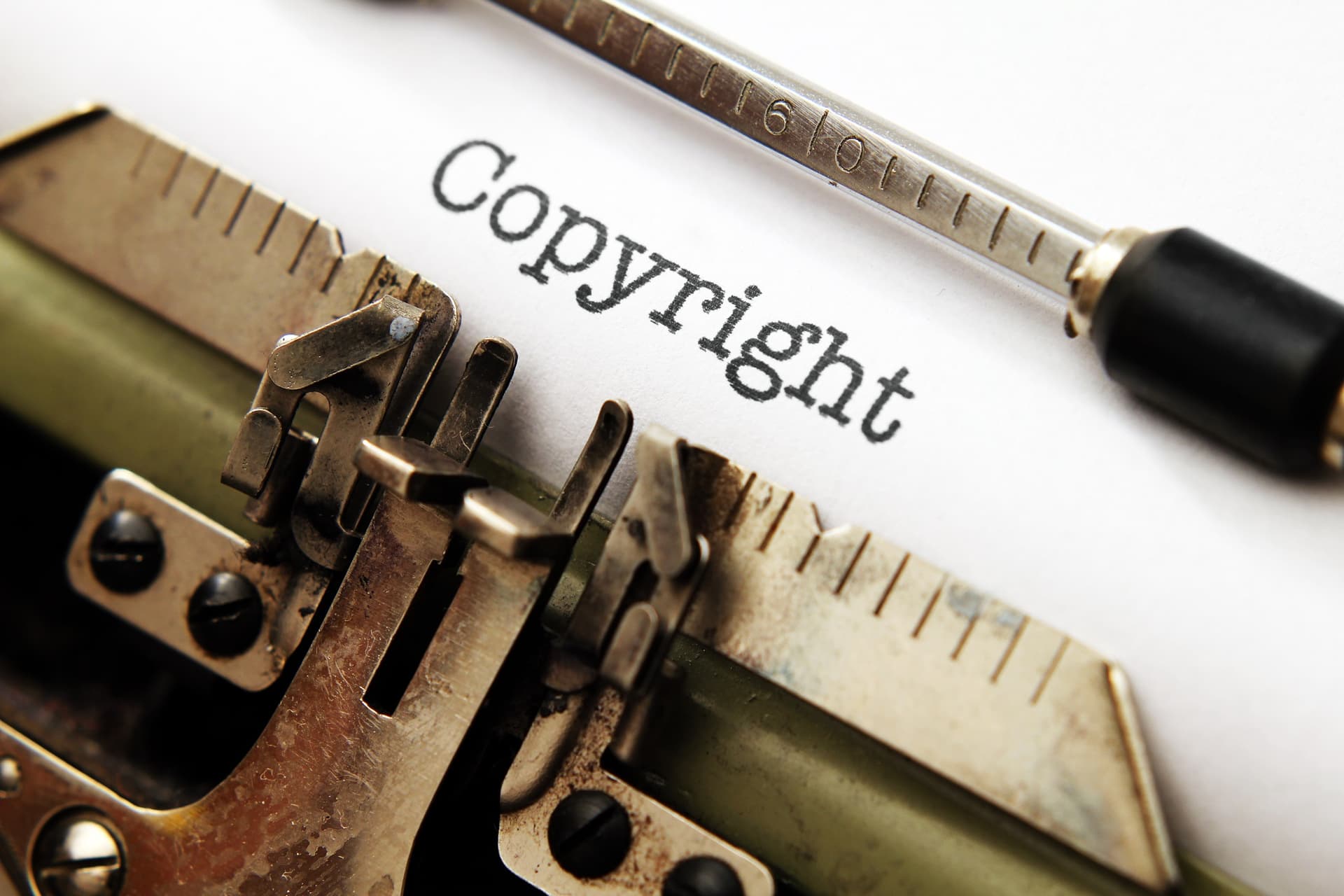
A work is a creative product that expresses human thoughts or emotions, and it includes works in the literary, academic, artistic, or musical fields.
The current 「Copyright Act」 protects the copyright that arises at the same time as creation by the creator, so that works can be protected from unauthorized use, reproduction, or distribution.
However, with the rapid spread of digital content and changes in the online distribution environment, the unauthorized reproduction and modification of works, their conversion into secondary works, and the blurring of boundaries with AI and NFT content have given rise to new forms of copyright disputes.
Therefore, in the process of using or producing a work, one should be familiar with the overall principles of copyright law, such as the attribution of copyright, the scope of the license, the right to produce secondary works, and the fair use provisions, and should undergo a legal review in advance.
In particular, in the case of works generated by AI or metaverse content, the application of existing law is unclear, so advance confirmation of rights and specification in a contract can be said to be essential.
▶Works That May Be Protected
▶Musical works : works expressed through sound, such as songs directly performed or sung
▶Dramatic works : plays, dance, musicals, and the like
▶Artistic works : paintings, designs, calligraphy, sculptures, crafts, and the like
▶Architectural works : buildings, models for buildings, design drawings, and the like
▶Photographic works : works expressed by photographic methods, and the like
▶Cinematographic works : films, advertisements, video game footage, and the like
▶Diagrammatic works : maps, charts, sketches, models, and the like
▶Computer program works : works expressed as a series of instructions or commands used directly or indirectly within a computer, and the like
▶Compilation works : works that have creativity in the selection, arrangement, or composition of materials among compilations, and the like
2. Works | Confirmation of Copyright Attribution and Rights Relationships
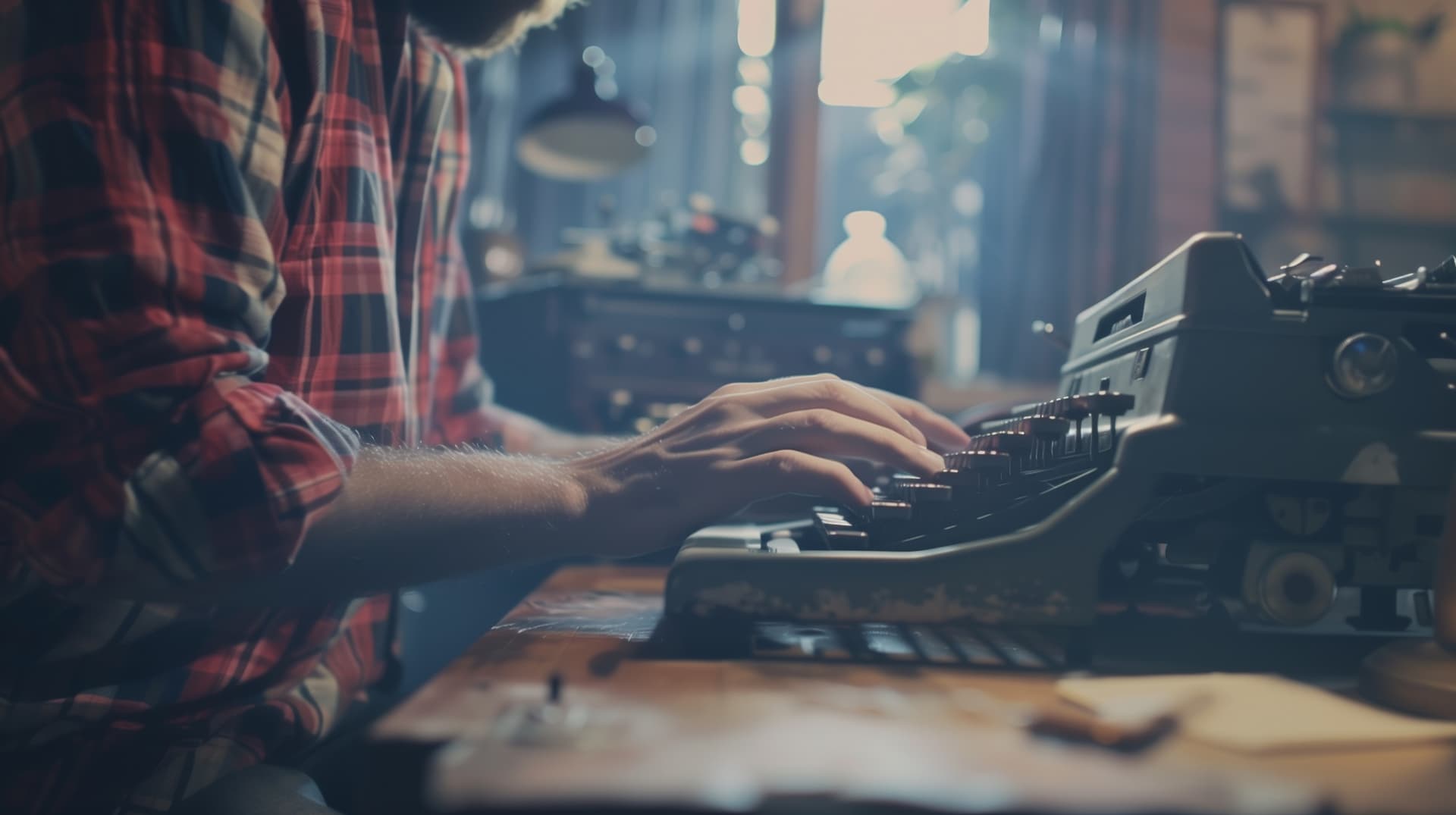
The most fundamental part in the process of using a work is clearly confirming to whom the copyright is attributed.
In principle, the copyright of a work arises in the person who created it, but in the case of employment, commission, or contract production, if the attribution of rights is not clearly determined in the contract, there is a significant risk that a rights dispute will arise.
In particular, in cases where a company, broadcaster, or content production company commissions a freelancer or external producer to produce a work, disputes over the attribution of rights frequently arise.
To prevent this, a provision on the attribution of rights must be specified in the contract at the work production stage, and whether the copyright is assigned, the scope of use, the right to produce secondary works, and the authority to distribute must be specifically defined.
If the rights relationship is unclear, it can lead to the suspension of content use, a claim for damages, and even a criminal complaint after production, so advance confirmation and documentation are very important.
 Legal Liability for Unauthorized Reproduction and Transmission
In the digital environment, it has become possible to reproduce a copyrighted work or transmit it over the internet with only a few clicks.
As a result, reproducing, distributing, or posting another person's copyrighted work online without permission constitutes a clear copyright infringement and may give rise to legal liability.
Cases of using another person's photographs, audio recordings, videos, or writings without authorization on blogs, YouTube, social media, and similar platforms occur frequently, and some users mistakenly believe that fair use or attribution of the source alone permits free use.
However, if the requirements for fair use under the Copyright Act are not met, the use is regarded as unauthorized, and civil and criminal liability cannot be avoided.
Therefore, when using another person's copyrighted work, you should obtain prior permission for use, and, where necessary, pay a license fee or strictly comply with the conditions of use specified by the copyright holder.
To this end, it is advisable to confirm whether the relevant rights have been cleared before uploading content, and to verify whether the content is available under an open license.


Creation of Derivative Works and Rights Issues
Adapting, arranging, editing, or reinterpreting an original work to produce a new form of work is referred to as the creation of a derivative work.
If a derivative work is created or distributed during this process without the consent of the copyright holder of the original work, it constitutes copyright infringement and may lead to a legal dispute.
Such issues often arise in connection with video editing, music sampling, fan art, and the creation of parody content.
To prevent this, you should obtain the express permission of the rights holder of the original work for the creation and use of the derivative work, and the contract should specifically set out the purpose of use, the scope of use, and the conditions for revenue distribution.
Where commercial use is anticipated, stricter legal standards generally apply, so it is prudent to seek advice from a copyright law specialist in advance.
AI and NFT Content and Copyright Issues
As AI-generated images, audio, text, and video content, along with NFT (non-fungible token) content, have rapidly proliferated in recent times, debate over whether the Copyright Act applies has grown.
In the case of AI content, ‘human creativity’ is required for a work to be recognized as a copyrighted work, so content generated solely by AI is, in principle, not protected by copyright, although it may receive partial protection if a human was involved in the creative process.
For NFT content, ownership of the digital content and the copyright are separate, so it should be made clear that the owner of an NFT does not also acquire the copyright in the content.
To this end, when producing AI content and issuing NFTs, the attribution of rights, whether permission for use has been obtained from the copyright holder, and the structure for revenue distribution should be specifically set out in the contract, and a legal review should be conducted in advance to forestall the possibility of disputes.
In the case of global transactions in particular, there may be conflicts with foreign copyright laws, so it is also necessary to research the regulations of each country in advance.
Use of Overseas Content
Where overseas content is adapted, imported, distributed, or transmitted through an online platform, the copyright laws of each country and international treaties apply.
Because the scope of protection, the term of rights, and fair use provisions differ from country to country, the same act may be lawful in one country and unlawful in another.
As the overseas expansion of Korean Wave content and the global distribution of OTT content have become more active, the potential for such disputes has risen sharply.
Therefore, when using or exporting overseas content, you should confirm the copyright laws and treaty provisions of the relevant country, and obtain a review by a local legal specialist.
It is advisable to clearly specify the court of jurisdiction, the governing law, and the dispute resolution procedure in the content distribution contract in order to prepare for international disputes.
3. Works | Level of Punishment for Violation of the Copyright Act and Response Measures

If a person violates the Copyright Act and infringes another's author's economic rights or moral rights, our law clearly provides for criminal punishment.
It does not stop at a mere claim for damages or the deletion of content, but a criminal complaint may proceed and a sentence of imprisonment or a fine may be imposed, so considerable caution is required.
In particular, in the digital content environment, anyone can easily use content without authorization, so even a minor act can lead to serious legal punishment.
The representative levels of punishment are as follows.
Category | Level of Punishment |
|---|---|
① Infringement of author's economic rights Infringement of another's author's economic rights or the right to produce secondary works | Imprisonment for up to 5 years or a fine of up to 50 million won |
② Infringement of author's moral rights Defamation of the author, or deletion of the name or false registration without consent | Imprisonment for up to 3 years or a fine of up to 30 million won |
③ Violation of the obligation to indicate the source Failure to perform the obligation to indicate the source when using a work | A fine of up to 5 million won |
Even in the form of a mere link share or citation, if the requirements for fair use are not met, it becomes subject to punishment.
To prevent such punishment, whether a license has been obtained, the provisions on the attribution of rights in the contract, and the scope of use must be thoroughly confirmed in the process of producing and distributing content.
When citing another's work or using it as a secondary work, one should undergo a review by an expert as to whether it falls under the fair use provisions, and should, if possible, obtain the written consent of the rights holder.
In particular, in the case of companies and institutions, it is advisable to establish a copyright compliance system in advance through a legal team or external legal advisory.
In addition, if one becomes involved in a copyright dispute, one should attempt a settlement with the rights holder or promptly carry out voluntary deletion or suspension of use before it leads to criminal punishment, and should review the possibility of minimizing harm and avoiding criminal punishment.
For content posted on online platforms, it is necessary to also prepare deletion request and copyright infringement report response procedures.
Need for Legal Response
Copyright arises at the same time as the creation of a work, and various legal issues are involved, including the attribution of rights, permission for use, the creation of derivative works, fair use, and overseas use.
In the digital content environment in particular, reproduction, editing, and transmission have become easier, and legal risks in emerging industry areas such as AI and NFT content and metaverse content are also spreading rapidly.
Therefore, prior legal review, the preparation of contracts, and confirmation of the relationship of rights are necessary throughout the entire process of producing, using, distributing, and monetizing a work, and it is important to prevent disputes and protect rights and interests with the assistance of a legal specialist.
Our firm's specialist attorneys, who have substantial experience in handling the settlement and resolution of cases related to copyrighted works, communicate directly with clients and present resolution options, and assist with copyright registration, responses to infringement, contract review, and similar matters.
Daeryun responds promptly to IP disputes and government regulation concerning copyrighted works, so if you wish to receive specialized advice, please proceed with the 🔗Corporate Attorney Legal Consultation Booking.
▶Key Defense Points Concerning Copyrighted Works
Because the attribution of rights and the manner of exercising them differ depending on whether a work, at the time of its creation, is a sole work, a joint work, or a work made for hire, it is necessary to determine this clearly and reflect it in the contract.
② Copyright Registration and Rights Protection Strategy
Although copyright arises at the same time as creation, registration should be considered in order to protect the rights and prove the rights holder, and whether to register in advance can be particularly important for securing evidentiary value in the event of a dispute.
③ Review of Copyright License Agreements
Disputes can be prevented by clearly setting the scope, term, territory, and method of use, whether derivative works may be created, and the method of payment, and by carefully reviewing the damages clause in the event of a breach of contract.
④ Determination of and Response to Infringement of Economic Copyright
Reproducing, performing, transmitting, distributing, or renting another person's work without authorization constitutes infringement of economic copyright, and a response strategy should be prepared by promptly analyzing the circumstances of the infringement, the scope of the rights, and whether the requirements for fair use are met.
⑤ Determination of and Remedies for Infringement of Moral Rights
Where the author's right to indicate authorship or right to the integrity of the work has been infringed, the rights can be protected by confirming legal liability for matters such as defamation, deletion of the name, or unauthorized modification, and by pursuing damages and an injunction together.
⑥ Review of the Right to Create Derivative Works
When creating a derivative work such as an adaptation, translation, arrangement, or remake of an original work, infringement disputes should be prevented by reviewing in advance whether permission for use has been obtained from, or rights attributed to, the original author.
See More


Watch related video content
for this case study.

✨Meet Daeryun Law Firm’s corporate legal experts!