
CONTENTS
- 1. The Client Who Sought a Goyang Drunk Driving Attorney

- 2. Drunk Driving, Explained by a Goyang Drunk Driving Attorney
- - Refusal of a Breath Test, Level of Punishment
- 3. The Defense Undertaken by the Goyang Drunk Driving Attorney for the Client
- - Argument That the Client Was Not in a State of Intoxication
- - Argument That the Client Did Not Refuse the Breath Test From the Outset
- 4. The Judgment Received by the Goyang Drunk Driving Attorney's Client

1. The Client Who Sought a Goyang Drunk Driving Attorney
This is the account of the client who sought a Goyang drunk driving attorney.
The client was engaged in farming. After driving to the worksite and working, the client shared a meal with colleagues who were on site and had a drink with the meal.
After the meal, the client resumed work, and once the work was finished, the client drove home. Unable to resist a wave of drowsiness, the client pulled over to the shoulder and went to sleep.
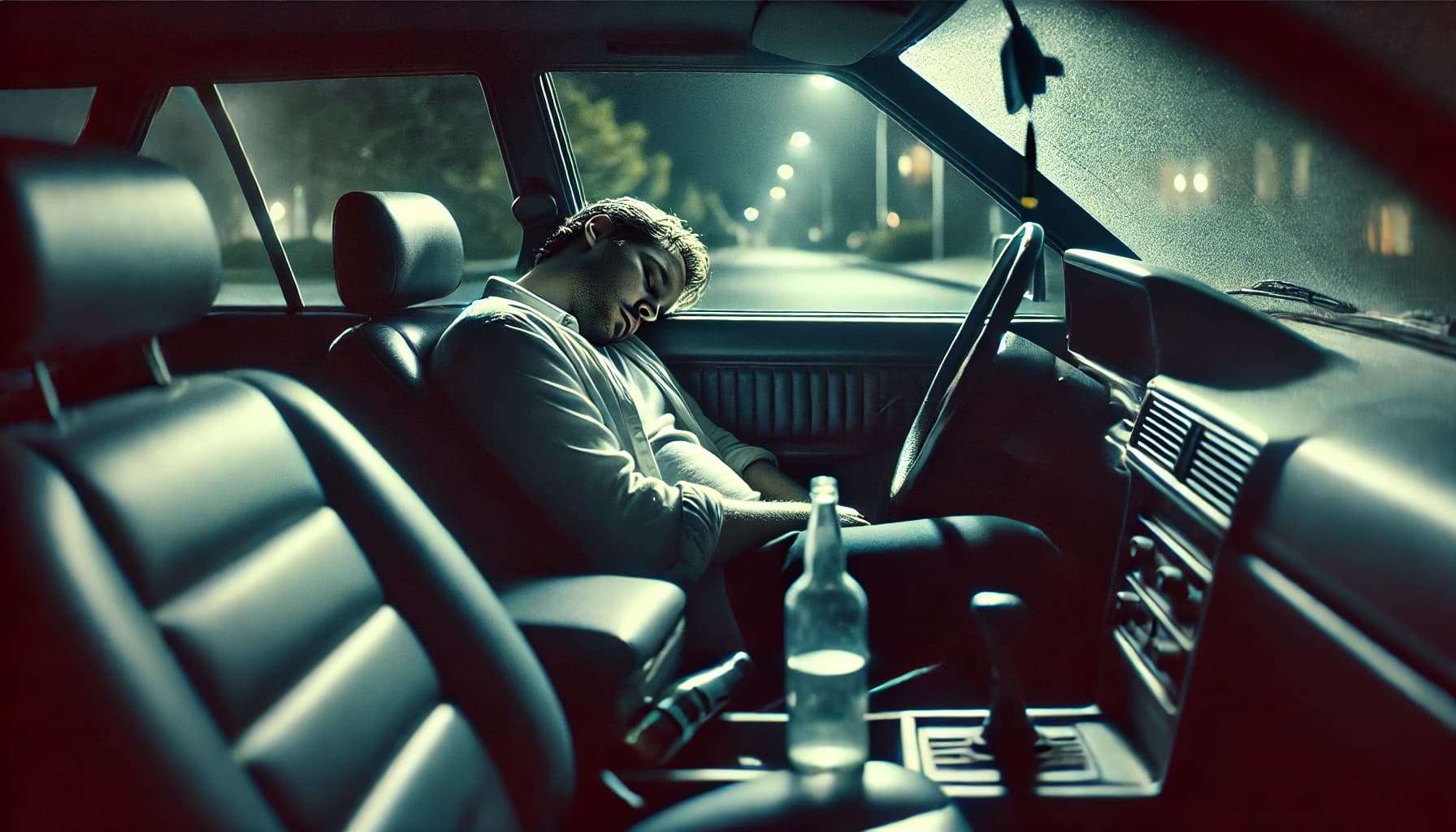
A driver in the vehicle behind found the client's vehicle suspicious and reported it, and a police officer who responded woke the client.
When the police requested a breath test, the client blew into the device three or four times, but no reading registered, so the officer requested it once more. The client, believing that he had blown as hard as he could, did not comply with any further requests for measurement.
As a result, the client came to face this case on charges of drunk driving and refusal of a breath test.
2. Drunk Driving, Explained by a Goyang Drunk Driving Attorney
The client was charged with drunk driving.
Drunk driving refers to operating a motor vehicle or similar while in a state of intoxication.
Here, a state of intoxication refers, under the Road Traffic Act, to a blood alcohol concentration of 0.03% or higher.
 Refusal of a Breath Test, Level of Punishment
The client refused a breath test.
Under the Road Traffic Act, if there are reasonable grounds to believe that a person is in a state of intoxication, a police officer may request a breath test.
If a person refuses this request, the person may be punished under 🔗drunk driving penalties by imprisonment for not less than 1 year and not more than 5 years or by a fine of not less than 5 million won and not more than 20 million won.
3. The Defense Undertaken by the Goyang Drunk Driving Attorney for the Client
The Goyang drunk driving attorney undertook the following defense for the client.
Argument That the Client Was Not in a State of Intoxication
The Goyang drunk driving attorney emphasized that the client was not in a state of intoxication, so the charge of drunk driving should not apply.
The client drank two glasses of soju with the meal and drove about 8 hours later.
Accordingly, at the time of the breath test, the client was not intoxicated, which is why the client's blood alcohol concentration did not register properly.
Argument That the Client Did Not Refuse the Breath Test From the Outset
The Goyang drunk driving attorney emphasized that the client did not refuse the breath test from the outset.
The client did not refuse the breath test from the outset; rather, the client submitted to the breath test several times, but the officer kept requesting it, so the client simply declined to comply any further.
4. The Judgment Received by the Goyang Drunk Driving Attorney's Client

Ultimately, the court handed down a suspended sentence to the client.
In this case, it appeared certain that the client would receive a sentence of imprisonment on charges of refusing a breath test after drunk driving. However, with the assistance of attorneys in Goyang and🔗Ilsan, the client was able to avoid imprisonment.
If you need to defend against a sentence of imprisonment in a situation similar to that of the client in this case, please feel free to visit a nearby Daeryun office and request a consultation at any time.
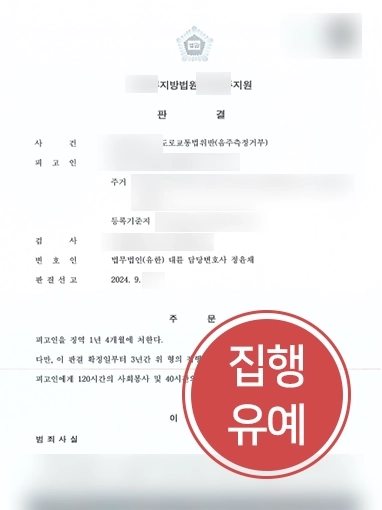
This content is based on actual case studies of Daeryun Law LLC with some adaptations, and the copyright belongs to our firm.
Unauthorized reproduction, duplication, or distribution and other copyright infringements may result in legal action under applicable laws.