
CONTENTS
- 1. The Client Who Requested Help With Franchise Litigation

- - What Is Franchise Litigation?
- - What Is a Franchise-Related Claim for Refund of the Franchise Fee?
- 2. Franchise Litigation, Assistance for a Claim for Refund of the Franchise Fee
- - Franchise Attorney, Argument of a Violation of the Duty to Provide Information Under the Fair Transactions in Franchise Business Act
- - Franchise Attorney, Argument of the Obligation to Refund the Franchise Fee
- 3. Franchise Litigation Result, Successful Claim for Refund of the Franchise Fee

1. The Client Who Requested Help With Franchise Litigation

This is the account of a client who sought a refund of the franchise fee through franchise litigation.
A franchise attorney, after a detailed consultation with the client, began assisting with the franchise litigation.
 What Is Franchise Litigation?
A franchise is a method of selling goods or services in which a franchisor grants a franchisee the right to do business, and the franchisee sells goods or services with the support of the head office.
A franchise business is a type of basic commercial activity, namely “business conduct relating to operations under permission to use a trade name, trademark, and the like.”
A franchise business has the advantage that even a beginner can start it easily and that it is favorable for initial promotion and marketing.
It also has the advantage that various forms of support can be received from the head office, which shortens the time required to start a business.
The disadvantages of a franchise business include the franchise fee and other costs, the significant influence of the head office and other franchisees, and the need for legal knowledge relating to the contract.
If a dispute with the head office arises, the franchisee may, after going through procedures such as an application for dispute mediation, file a 🔗franchise lawsuit.
In franchise litigation, because an individual is filing a lawsuit against a business, the help of a legal professional can be helpful.
What Is a Franchise-Related Claim for Refund of the Franchise Fee?
Under the Fair Transactions in Franchise Business Act, a prospective franchisee or a franchisee may request a refund of the franchise fee from the franchisor in the following cases.
1. Concerning the disclosure document: If the franchisor did not properly provide the disclosure document, or proceeded with the contract within 14 days (7 days if an attorney consultation was held) of providing it, a refund of the franchise fee may be requested before the contract or within four months after the contract.
2. Provision of false or exaggerated information: If the franchisor deceived the franchisee with false or exaggerated content, a refund of the franchise fee may be requested immediately if this was known before the contract.
3. Contract resulting from false information: If the contract was entered into through deception by false statements, and this is recognized as having had a significant effect on the contract, a refund of the franchise fee may be requested within four months after the contract.
4. Unilateral discontinuation of the business by the franchisor: If the franchisor discontinued the franchise business without any reason, a refund of the franchise fee may be requested within four months after the discontinuation of the business.
A prospective franchisee or a franchisee must request the refund of the franchise fee in writing setting out the content described above.
The franchisor must refund the franchise fee within one month from the date of the written request from the prospective franchisee or the franchisee.
2. Franchise Litigation, Assistance for a Claim for Refund of the Franchise Fee
The attorney handling the client's franchise litigation pointed out the defendant's conduct in violation of the Fair Transactions in Franchise Business Act and began providing assistance for the claim for refund of the franchise fee.
Franchise Attorney, Argument of a Violation of the Duty to Provide Information Under the Fair Transactions in Franchise Business Act
The Fair Transactions in Franchise Business Act imposes on the franchisor a duty to provide information to prospective franchisees.
That is, the franchisor must provide a disclosure document to a prospective franchisee, and if it has not done so, it may not receive a franchise fee from the prospective franchisee or enter into a franchise contract with the prospective franchisee.
Although the defendant had never provided a disclosure document to the client, it received the franchise fee.
The franchise litigation attorney emphasized that the defendant's conduct was a violation of the Fair Transactions in Franchise Business Act.
Franchise Attorney, Argument of the Obligation to Refund the Franchise Fee
The attorney handling the franchise litigation argued that the defendant had an obligation to refund the franchise fee.
The Fair Transactions in Franchise Business Act provides that, if the franchisor has violated the Act, the franchisor must refund the franchise fee if the prospective franchisee or the franchisee requests the refund in writing before entering into the franchise contract or within four months from the date of entering into the franchise contract.
The franchise litigation attorney emphasized that the defendant was in violation of the Fair Transactions in Franchise Business Act and that the client could request a refund of the franchise fee.
3. Franchise Litigation Result, Successful Claim for Refund of the Franchise Fee
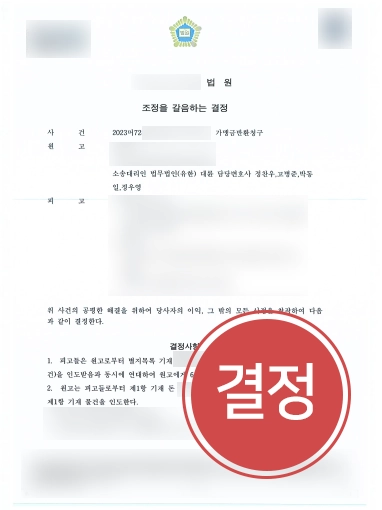
As a result of the franchise litigation, the client succeeded in the claim for refund of the franchise fee.
The court held, “The defendant violated the Fair Transactions in Franchise Business Act, and in these circumstances the plaintiff's claim for a refund of the franchise fee is well founded.”
In franchise litigation, because an individual franchisee conducts a lawsuit against a business, the assistance of an attorney experienced in this area can be helpful.
Reviewing the franchise contract carefully with an attorney to identify unfair provisions and establishing a litigation strategy is the safest and most convenient approach.
At Daeryun Law Firm, attorneys with experience in numerous franchise litigation cases assist from the consultation stage and provide prompt assistance toward resolving the case.
If you are preparing for franchise litigation, please request an 🔗attorney referral at Daeryun Law Firm.
This content is based on actual case studies of Daeryun Law LLC with some adaptations, and the copyright belongs to our firm.
Unauthorized reproduction, duplication, or distribution and other copyright infringements may result in legal action under applicable laws.