[Pension] “Survivor’s pension should also be provided to wives who have been separated for over 13 years due to their husband’s illness.”
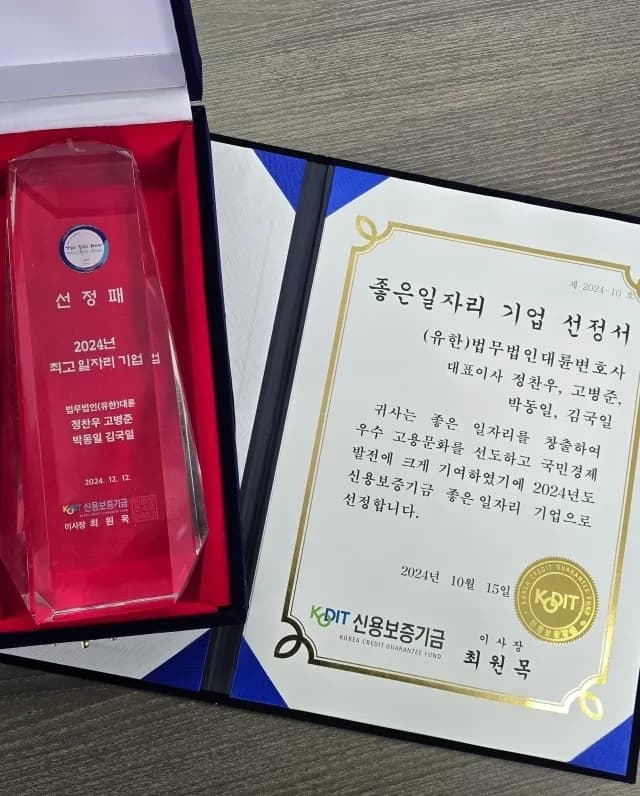
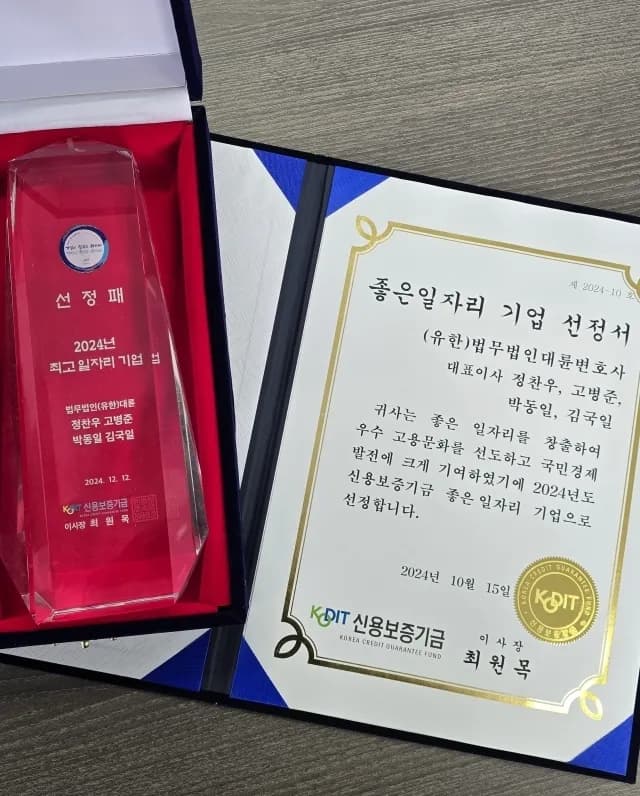
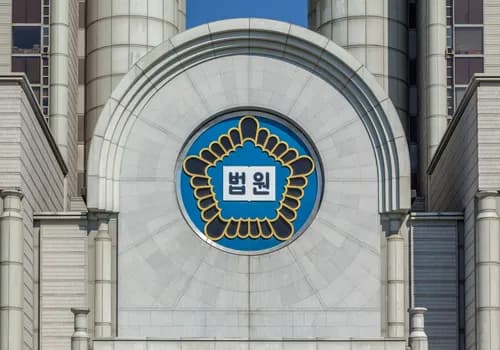
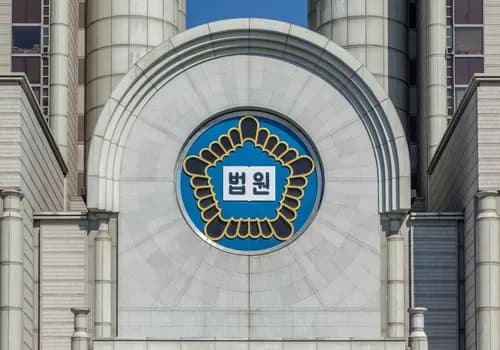
[Incheon District Court] "Living nearby and attending the marriage ceremony of children together" Even if the husband suffered from an infectious disease and separated for more than 13 years before his death, it was ruled that if the husband lived about 10 to 20 minutes away by car, attended the wedding ceremony and funeral of a relative, and attended the wedding and funeral of a relative together, the husband is a beneficiary of survivor's pension under the National Pension Act as a breadwinner. According to Article 73, Paragraph 1 of the National Pension Act, the spouse, children under the age of 25, parents, etc. who were earning a living at the time of the beneficiary's death can receive a survivor's pension. However, if they cannot clearly be considered dependent due to reasons such as running away from home or disappearing, they are excluded from the surviving family eligible to receive a survivor's pension (Article 47 of the Enforcement Decree of the National Pension Act). Ms. A, who married her husband B in March 1990, began to separate around August 2009, but B supported her family, including A, until around September 2014. Afterwards, she covered some of the family's living expenses by transferring money to the account of her daughter, who was born to her and her ex-wife, until just before her death in March 2023. B has been paid the old-age pension stipulated by the National Pension Act since January 2017. After B's death, A filed a claim to the National Pension Service for a survivor's pension as stipulated in Article 72 of the National Pension Act on the grounds of B's death, but when it was decided that the person was not eligible to receive a survivor's pension on the grounds that 'the relationship of making a living is not recognized,' A filed a lawsuit (2023 Guhap 56099). On December 12, Incheon District Court Administrative Division 1-1 (Presiding Judge Kim Seong-su) ruled in favor of the plaintiff, saying, "Pursuant to Article 73, Paragraph 1 of the National Pension Act and Article 47 of the Enforcement Decree of the National Pension Act, the plaintiff is a spouse who was supported by B at the time of B's death and is entitled to beneficiary of survivor's pension," and ruled in favor of the plaintiff, "Cancel the decision not to qualify for survivor's pension benefits." The court pointed out, "Although B lived separately from the plaintiff, in light of the fact that B and the plaintiff went back and forth, had their children married together, and attended a relative's congratulations and condolences together, this cannot be considered a runaway or disappearance," and added, "The evidence submitted by the defendant alone is insufficient to admit that there were cases where the plaintiff could not be considered to have a clear dependent relationship due to reasons such as running away from home or disappearance." The court said, "The legal marital relationship is the most essential part of the guarantee of marriage and family life under the Constitution (Article 36, Paragraph 1 of the Constitution), and the National Pension Act Enforcement Decree does not set detailed standards for spouses, such as whether they live in the same residence as other surviving family members and, if they live differently, whether they receive financial support such as living expenses." Survivor's pension is not a matter of paying insurance premiums and receiving corresponding benefits, but a derivative pension that is determined depending on whether the spouse is married or dependent. “Unlike the case of other surviving family members, where payment is determined based on dependency (see Constitutional Court decision 2017 Heonma 432, decided on February 28, 2019), the spouse should view payment as determined by marital status regardless of dependency, unless there are special circumstances,” he said. He added, "If dependency is strictly applied to the spouse, the former spouse who received a portion of the pension right through property division upon divorcing the pensioner can continue to receive part of the pension amount regardless of dependency even after the pensioner's death, while the spouse who maintained a legal marriage may not receive the survivor's pension at all depending on dependency." Daeryun Law Firm represented the plaintiff. Reporter Kim Deok-seong (dsconf@legaltimes.co.kr)[View full article]
[Pension] “Survivor’s pension should also be provided to wives who have been separated for over 13 years due to their husband’s illness” (link)






![[연금] "남편 질환에 13년 넘게 별거한 아내에게도 유족연금 줘야"](/_next/image?url=https%3A%2F%2Fd1tgonli21s4df.cloudfront.net%2Fupload%2Fboard%2Fbroadcast%2F20250130110502922.webp&w=828&q=75)
![[연금] "남편 질환에 13년 넘게 별거한 아내에게도 유족연금 줘야"](/_next/image?url=https%3A%2F%2Fd1tgonli21s4df.cloudfront.net%2Fupload%2Fboard%2Fbroadcast%2F20250130110502922.webp&w=3840&q=75)