
CONTENTS
- 1. Proportion of Fault in Traffic Accidents | Concept

- 2. Proportion of Fault in Traffic Accidents | Factors in Calculation
- 3. Proportion of Fault in Traffic Accidents | When It Cannot Be Accepted
- - Use of the Fault Ratio Dispute Deliberation Committee
- - Filing a Complaint with the Financial Supervisory Service
- - Conducting Civil Litigation
- 4. Proportion of Fault in Traffic Accidents | How to Prepare a Civil Complaint
- - Essential Items That Must Be Included in the Complaint
- 5. Fault Ratio in Traffic Accidents | Key Points for Gathering Evidence
- 6. Fault Ratio in Traffic Accidents | Prompt Dispute Resolution

1. Proportion of Fault in Traffic Accidents | Concept
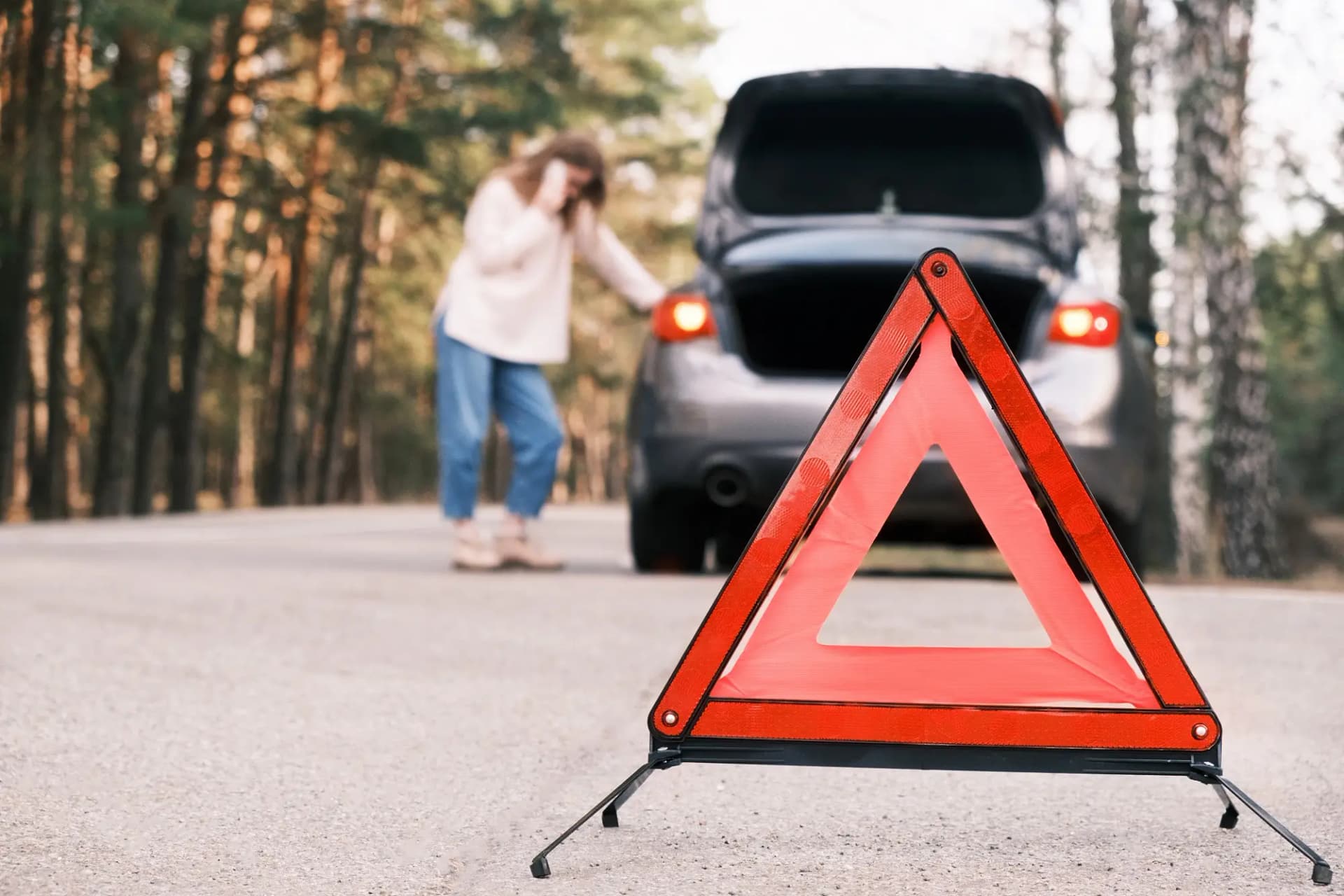
The proportion of fault in a traffic accident is the figure calculated to attribute fault liability to both parties when a traffic accident occurs.
Here, fault refers to a case in which, by the standard of an ordinary person, a party neglected a duty that should have been performed or performed an act that should not have been performed.
In a traffic accident, fault means liability for a driver's violation of the duty of care in an accident that arises while operating a motor vehicle.
Accordingly, the proportion of fault in a traffic accident refers to the ratio that indicates the degree of responsibility of the at-fault party and the victim in the traffic accident.
2. Proportion of Fault in Traffic Accidents | Factors in Calculation
The proportion of fault in a traffic accident is calculated by comprehensively considering several factors.
The factors in calculating the proportion of fault in a traffic accident are as follows.
▪ Objective materials such as precedents, statutes (the Road Traffic Act, among others), the detailed enforcement rules for insurance supervision, and dispute mediation cases
▪ Investigation findings on the principal causes of the accident by the police, claims adjusters, accident appraisers, and others
▪ Subjective judgments such as the failure to drive safely, the foreseeability of the accident, and the possibility of avoiding the accident
If the proportion of fault in a traffic accident has been calculated unreasonably, an objection may be raised regarding the accurate method of calculation.


3. Proportion of Fault in Traffic Accidents | When It Cannot Be Accepted
The proportion of fault is often determined based on an agreement between insurers or on an existing standard table, but there are not a few cases in which a party feels that it differs from the actual circumstances of the accident and claims that the outcome is unfair.
In such cases, a party may raise an objection or have the proper proportion re-examined through the following procedures.
 Use of the Fault Ratio Dispute Deliberation Committee
This is an organization that assists with the settlement and deliberation of fault disputes between different insurers regarding motor vehicle accident claims received by insurers.
▶ Procedure for Calculating the Proportion of Fault at the Dispute Deliberation Committee
2. Submission of the case by the insurer to the Dispute Deliberation Committee
3. Review of evidentiary materials (scene photographs, statements, CCTV, and others) and relevant statutes by the Dispute Deliberation Committee
4. Calculation of the proportion of fault based on objective materials
5. Insurance processing based on the deliberation result
However, in order to file for deliberation with the Dispute Deliberation Committee, the following requirements must be met.
• The matter must fall under motor vehicle insurance (mutual aid) coverage
• The matter must be a dispute concerning the proportion of fault and reimbursement
• A claim against a mutual aid association must not be one under personal automobile injury coverage
Filing a Complaint with the Financial Supervisory Service
When you cannot agree with the insurer's processing result, you may file a complaint through the Financial Supervisory Service civil affairs center and formally request that the proportion of fault be calculated again.
▶ Financial Supervisory Service Complaint Procedure
2. Submission of a financial dispute mediation application
3. Investigation of the facts by the investigation committee
4. Decision on mediation or rejection
5. Closure upon acceptance of the mediation result / civil litigation possible in the event of a challenge
Conducting Civil Litigation
If you cannot agree with the determination of the insurer, the Dispute Deliberation Committee, or the Financial Supervisory Service, you may file a civil lawsuit directly to have the proportion of fault determined again.
▶ Procedure for Conducting Civil Litigation
4. Proportion of Fault in Traffic Accidents | How to Prepare a Civil Complaint

When you seek to claim damages in a dispute over the proportion of fault in a traffic accident, the complaint is the starting point from which the court examines and decides the case.
With reference to the content below, we will organize how to prepare a complaint so that you can begin a civil lawsuit on your own.
Essential Items That Must Be Included in the Complaint
To submit a complaint, the following items must be included in accordance with the「Civil Procedure Act」.
② The name and address of the legal representative
③ The indication of the case
④ The purport of the claim
⑤ The cause of the claim
⑥ The indication of the attached documents
⑦ The date of preparation and a signature or a name and seal
⑧ The indication of the court
What is the purport of the claim?
The purport of the claim means the 'result of the judgment' that the plaintiff (the person filing the lawsuit) seeks from the court.
Put simply, it is a request that the court "render a certain decision."
What is the cause of the claim?
The cause of the claim refers to the 'circumstances of the case' or the 'reason' that led the plaintiff to file the lawsuit.
It is advisable to prepare it in a simple yet specific manner, following the flow below.
What is the indication of the attached documents?
The most important thing in civil litigation is 'proof'.
You must carefully organize the objective evidence that supports your assertions.
5. Fault Ratio in Traffic Accidents | Key Points for Gathering Evidence

When preparing litigation related to fault in a traffic accident, securing evidence is the most important step.
For this reason, it is important to organize the following objective evidentiary materials without omission.
▶ Materials showing vehicle positions and stopping conditions
• Records of the stopping position, point of impact, signal status, and similar details
• The direction of travel and position of the other vehicle
▶ Materials confirming the state of vehicle damage
• Areas from which the direction and force of the impact can be assessed
• Repair estimates or vehicle maintenance records (immediately after the accident)
▶ Securing footage of the scene and third-party materials
• Review of CCTV from shops, residences, and similar locations near the accident site
• Requests to obtain dashcam footage from nearby vehicles
• Witness statements or contact information
※ Video materials often have short retention periods, so prompt collection is very important.
6. Fault Ratio in Traffic Accidents | Prompt Dispute Resolution
Calculating the fault ratio in a traffic accident is one of the most central steps in the process of handling a traffic accident case.
It is possible to prepare and respond to litigation on one's own, but in the course of complex legal assessment and precise evidence collection, the assistance of a legal professional can be of considerable help.
This firm provides support for investigating the accident scene and for settlement aimed at adjusting the interests of the parties, as well as professional legal advisory services concerning the fault ratio in traffic accidents.
In addition, through its in-house Evidence Investigation Center, the firm systematically supports the securing of the objective evidence essential to litigation.
If you seek prompt and accurate resolution of a dispute over the fault ratio in a traffic accident, you may request assistance from Law Firm Daeryun🔗traffic accident attorneys.


Watch related video content
for this case study.

What if the ‘traffic accident fault ratio’ cannot be acknowledged? A lawyer's solution!