
CONTENTS
- 1. Fatal Traffic Accident | Concept

- - Relevant Statutes
- 2. Fatal Traffic Accident | Main Types
- - Fatal Accident Caused by Occupational Negligence
- - Where a Child Is Caused to Die
- - Where a Fatal Accident Is Caused and the Driver Flees
- - Where a Fatal Accident Is Caused by Drunk Driving
- 3. Fatal Traffic Accident | Initial Response
- - What to Do Immediately after an Accident
- - Reporting to the Police and Administering First Aid
- - How to Secure Evidence at the Scene
- 4. Fatal Traffic Accidents | Considerations When Pursuing a Settlement
- - Sincere Apology and Expression of Remorse
- - Pursuing an Early Criminal Settlement
- - Consultation and Assistance from Legal Professionals
- 5. Fatal Traffic Accidents | Legal Support

1. Fatal Traffic Accident | Concept
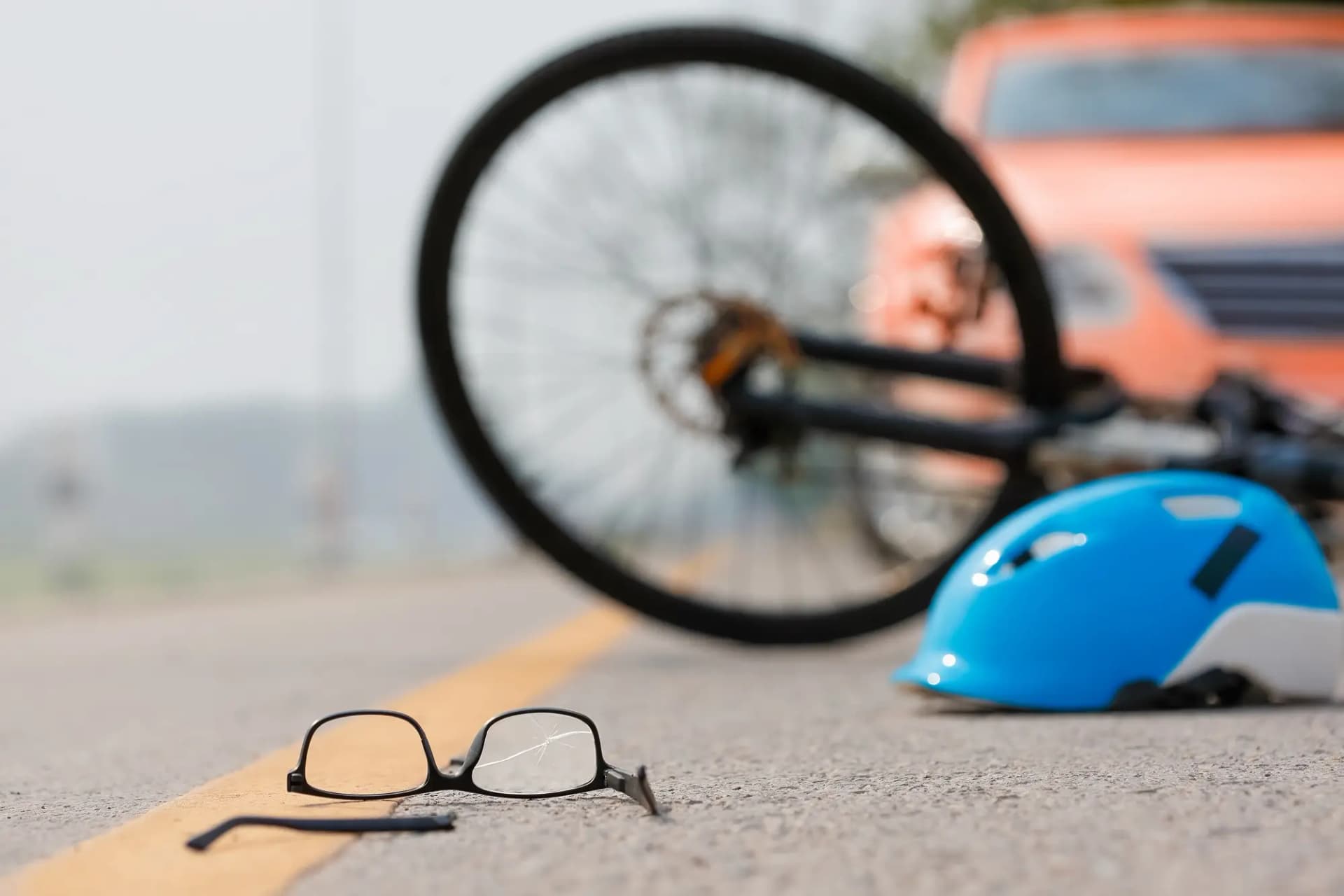
A fatal traffic accident refers to an accident in which a traffic accident occurring on a road results in the death of a person.
Regardless of whether the party to the accident is a pedestrian, a passenger, or a driver, any case in which the accident results in the loss of one or more lives constitutes a fatal traffic accident.
Unlike an ordinary contact accident or minor-injury accident, a fatal traffic accident can give rise to criminal punishment and civil liability at the same time.
 Relevant Statutes
The Road Traffic Act, the Act on Aggravated Punishment of Specific Crimes, the Criminal Act, and other statutes apply.
In particular, Article 3 of the Act on Special Cases concerning the Settlement of Traffic Accidents classifies a fatal accident as a serious-accident exception under which criminal punishment cannot be exempted even if the vehicle is covered by insurance.


2. Fatal Traffic Accident | Main Types
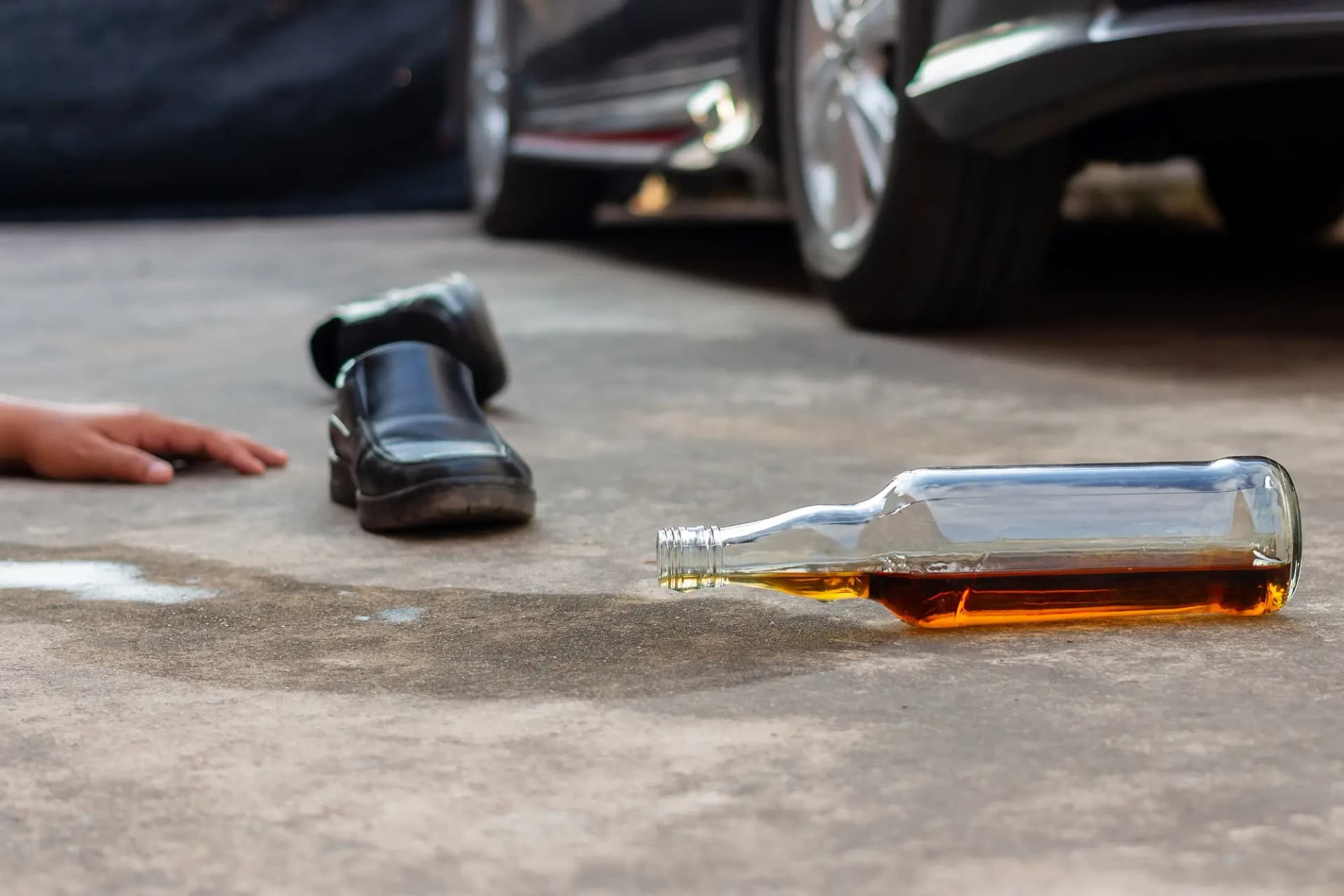
Fatal traffic accidents arise from various causes, ranging from simple carelessness to violations of the law, and the applicable laws and sentencing levels vary accordingly.
Each type of accident requires an accurate legal assessment and a tailored response strategy.
Fatal Accident Caused by Occupational Negligence
Occupational negligence causing death refers to a case in which a driver causes the death of another person through carelessness or negligence.
This applies to a case in which a fatal accident occurs due to the driver's negligence, such as a breach of the duty to keep a lookout ahead or a violation of a traffic signal.
Legally, the driver is punished for the crime of occupational negligence causing death, and the level of punishment is as follows.
▶ Article 268 of the Criminal Act
Occupational and gross negligence resulting in death or injury | Imprisonment without labor for not more than 5 years, or a fine of not more than 20 million won |
Where a Child Is Caused to Die
A traffic accident that causes the death of a child is treated far more severely than an ordinary fatal accident.
In particular, where a driver violates the duty of care within a child protection zone (school zone) and causes a fatal accident involving a child, the driver is subject to aggravated punishment under Article 5-13 of the Act on Aggravated Punishment of Specific Crimes.
▶ Article 5-13 of the Act on Aggravated Punishment of Specific Crimes
In a child protection zone Aggravated punishment for causing the death or injury of a child | Life imprisonment, or imprisonment for not less than 3 years |
Where a Fatal Accident Is Caused and the Driver Flees
A 'hit-and-run,' in which the driver leaves the scene after the accident without reporting it or providing rescue, is a serious criminal act.
If the driver flees after a fatal traffic accident, the Act on Aggravated Punishment of Specific Crimes applies in addition to the Criminal Act, and the sentence increases considerably.
The act of fleeing works unfavorably not only in terms of criminal punishment but also in terms of civil liability toward the victim and the bereaved family.
The driver may also be disadvantaged in insurance processing, so the driver must never leave the scene when an accident occurs.
▶ Article 5-3 of the Act on Aggravated Punishment of Specific Crimes (Aggravated Punishment of Drivers of Fleeing Vehicles)
Where the driver causes the death of the victim and flees, or where the victim dies after the driver flees | Life imprisonment, or imprisonment for not less than 5 years |
Where the driver causes the death of the victim and flees, or where the victim dies after the driver flees | Death penalty, life imprisonment, or imprisonment for not less than 5 years |
Where a Fatal Accident Is Caused by Drunk Driving
Drunk driving is a crime that draws great social condemnation, and when it is combined with a fatal accident, the legal punishment is very heavy.
A fatal accident caused by drunk driving is subject to aggravated punishment, with the crime of dangerous driving causing death and similar provisions being applied.
▶ Article 5-11 of the Act on Aggravated Punishment of Specific Crimes (Dangerous Driving Causing Death or Injury)
Where, by driving under the influence of alcohol or drugs, a person is caused to die | Life imprisonment, or imprisonment for not less than 3 years |
3. Fatal Traffic Accident | Initial Response
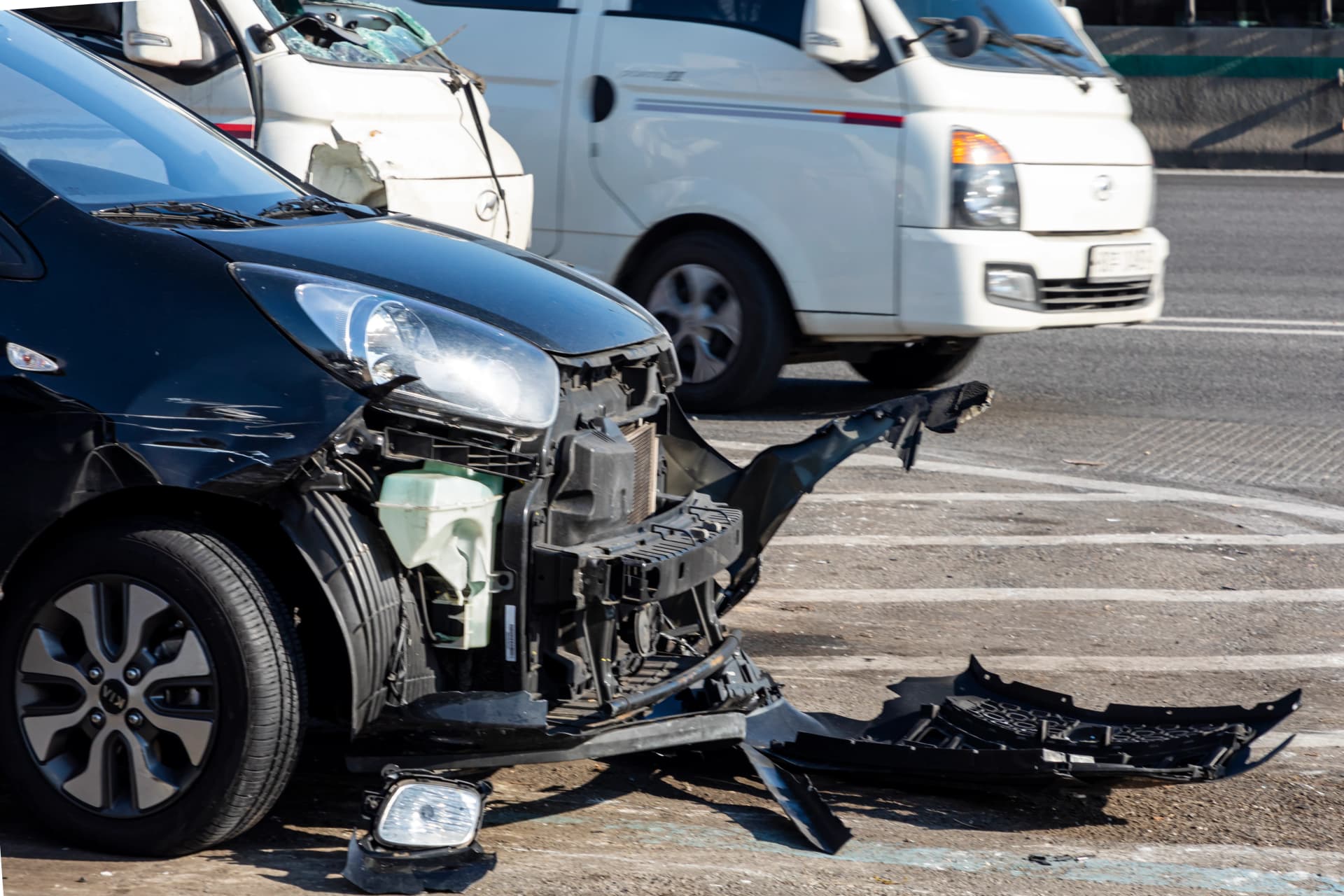
A fatal traffic accident is a very serious case in which loss of life occurs.
A prompt and accurate response immediately after the accident has an important effect on the subsequent criminal and civil proceedings, so the driver must be aware of and act on the following matters.
What to Do Immediately after an Accident
① Securing safety
To prevent a secondary accident at the scene, the driver should turn on the hazard lights and alert nearby vehicles in order to minimize the risk of further accidents.
② Checking the injured and administering first aid
Where possible, the driver should immediately administer first aid to the injured, and when the condition is serious, should give priority to requesting emergency rescue.
③ If you are the at-fault party, never leave the scene
A hit-and-run is a serious crime, and leaving the scene carries significant legal disadvantages.
Reporting to the Police and Administering First Aid
The driver should immediately report to 112 or 119 to request the police and an ambulance at the scene.
It is also important to accurately record the facts of the accident and the condition of the injured at the scene until the police arrive.
The driver should cooperate with the police investigation and state the facts truthfully, while refraining from unnecessary speculation or exaggerated statements.
How to Secure Evidence at the Scene
① Taking photographs
Photograph from multiple angles all circumstances related to the accident, such as the positions of the vehicles involved, the state of the damage, the road environment (traffic lights, speed bumps, and the like), road signs, and the scene before and after the accident point.
② Securing dashcam footage
Secure the dashcam footage from your own vehicle and nearby vehicles, and where possible, obtain copies immediately after the accident.
③ Securing witness statements
If you secure the contact information and statements of those who witnessed the accident, they can serve as important evidence later in the event of a legal dispute.
4. Fatal Traffic Accidents | Considerations When Pursuing a Settlement
A fatal traffic accident involves a complex process in which criminal punishment and civil damages proceed at the same time.
A settlement between the bereaved family of the victim and the offender can be very important for the reduction of the sentence and the early resolution of the dispute, so it should be approached with care.
Sincere Apology and Expression of Remorse
Conveying a sincere apology and remorse to the bereaved family of the victim can serve as a very important factor in a criminal trial.
The court and the prosecution closely assess the offender's attitude and whether the offender acknowledges responsibility, and sincere remorse may be reflected positively as a ground for the reduction of the sentence.
A sincere apology offered during the settlement process is therefore necessary.
Pursuing an Early Criminal Settlement
When a criminal settlement is reached early, it can have a decisive effect on the reduction of the sentence.
Attempting a settlement with the victim's side promptly in the early stage of the case can be advantageous in preventing unnecessary disputes and prolonged litigation.
Consultation and Assistance from Legal Professionals
During settlement negotiations, the assistance of a legal professional plays a significant role in minimizing emotional confrontation and reaching reasonable terms.
An attorney's mediation objectively coordinates the positions of both sides, lowering the risk of a failed settlement, and helps calculate an appropriate settlement amount.
Seeking consultation with a professional from the early stage is therefore very important.
5. Fatal Traffic Accidents | Legal Support
Because a fatal traffic accident involves complex legal procedures, such as criminal punishment and civil damages, proceeding at the same time, it is often difficult to respond alone.
Given the seriousness of such accidents, a prompt and accurate legal response is necessary, and procedural mistakes or emotional judgments can lead to unfavorable results.
The settlement process with the bereaved family is particularly important. A settlement can reduce unnecessary conflict, and may lead to a more favorable result.
This firm closely analyzes the client's individual situation and the characteristics of the case, and provides tailored legal services at each stage, including the criminal trial, the settlement with the victim, and the claim for damages.
As needed, the firm works closely with professionals in related fields, such as attorneys specializing in damages and the Evidence Investigation Center (a partner organization), to establish a comprehensive and systematic response strategy.
If you need legal support related to a fatal traffic accident, please feel free to request a 🔗Legal Consultation Reservation with an Attorney Specializing in Traffic Accidents at any time.
Law Firm Daeryun assists with cases through its accumulated experience.


Watch related video content
for this case study.

What if the ‘traffic accident fault ratio’ cannot be recognized? A lawyer's solution!