
CONTENTS
- 1. Violation of the Narcotics Control Act | Purpose

- - Requirements for Establishment
- - Types of Narcotics
- 2. Violation of the Narcotics Control Act | Level of Punishment
- - Administration, Simple Possession, and Provision of Premises, and Others
- - Trafficking and Arranging of Narcotics, and Others
- - Prohibition of Import, Export, and Manufacturing of Narcotics, and Others
- - Aggravated Punishment of Large-Scale Narcotics Offenders
- 3. Violation of the Narcotics Control Act | Sentencing Factors
- 4. Violation of the Narcotics Control Act | Step-by-Step Response Method
- - Police Stage
- - Prosecution Stage
- - Court Stage
- 5. Violation of the Narcotics Control Act | If It Is Difficult to Respond Alone?
- - Analysis of Evidence
- - Responding to Actual Investigation Situations
- - Joint Response by Attorneys

1. Violation of the Narcotics Control Act | Purpose
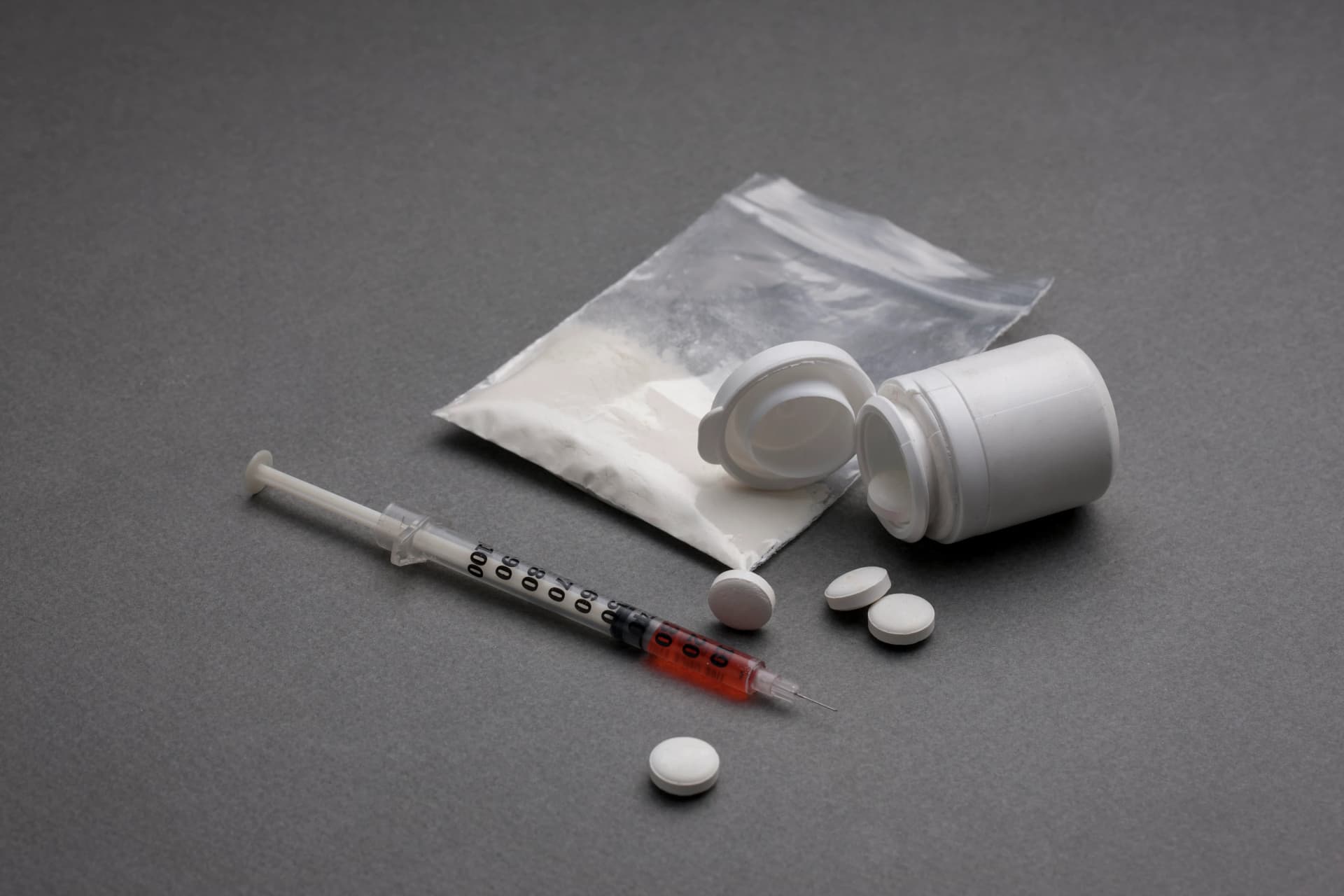
The Act on the Control of Narcotics is a statute that appropriately governs the handling and management of narcotics, psychotropic drugs, cannabis, and raw materials, and addresses the treatment and prevention of narcotics addiction, setting out the necessary matters for those purposes.
The purpose of this Act is to prevent health risks arising from the misuse or abuse of narcotics, to improve public health, and to contribute to building a healthy society.
Types of Narcotics Offenses
▷ Smuggling
▷ Illegal trafficking
▷ Illegal cultivation
▷ Administration
▷ Possession, and others
 Requirements for Establishment
A violation of the Narcotics Control Act is established when a person who is not authorized to handle controlled substances deals with them.
Trafficking or manufacturing controlled substances, as well as administering them, is subject to even heavier punishment, and an unauthorized person who possesses narcotics is also subject to punishment.
Types of Narcotics
Controlled substances are divided into three categories: narcotics in the narrow sense, psychotropic drugs, and cannabis.
Narcotics | Poppy, opium, heroin, morphine, cocaine, and others |
Psychotropic drugs | LSD, ecstasy, amphetamines, and others |
Cannabis | Cannabis plant, cannabis resin, cannabis oil |
See More


2. Violation of the Narcotics Control Act | Level of Punishment
The severity of punishment for a violation of the Narcotics Control Act varies depending on the type of violation and the specific circumstances.
Below is a brief summary of the punishment standards for the main types of violations, presenting only the key portions of the overall punishment provisions.
The detailed punishment standards and whether they apply may differ depending on the circumstances of each case, so an accurate assessment is needed.
A drug, or a substance containing such a drug, that carries a serious risk of misuse or abuse, is not used for medical purposes, lacks safety, and causes severe physical or psychological dependence when misused or abused
Administration, Simple Possession, and Provision of Premises, and Others
Elements by Type | Governing Provision | Severity of Punishment | |
| Narcotics | Possession, ownership, management, transfer | Narcotics Control Act, Article 59 (1) 9 | Imprisonment for a definite term of one year or more |
| Use, or provision of premises, facilities, equipment, funds, or means of transport | Narcotics Control Act, Article 60 (1) 1 | Imprisonment for up to 10 years or a fine of up to 100 million won | |
| Psychotropic drugs (item a) | Possession, ownership, use, management | Narcotics Control Act, Article 59 (1) 5 | Imprisonment for a definite term of one year or more |
| Use, or provision of premises, facilities, equipment, funds, or means of transport | Narcotics Control Act, Article 60 (1) 1 | Imprisonment for up to 10 years or a fine of up to 100 million won | |
| Cannabis, and others | Cultivation of cannabis, possession, ownership, transport, storage, use | Narcotics Control Act, Article 61 (1) 6 | Imprisonment for up to 5 years or a fine of up to 50 million won |
| Cannabis, or smoking or ingesting cannabis seeds or husks, or the same purpose | Narcotics Control Act, Article 61 (1) 4 | ||
| Use of cannabis, or provision of premises, facilities, equipment, funds, or means of transport | Narcotics Control Act, Article 61 (1) 2 | ||
Trafficking and Arranging of Narcotics, and Others
Elements by Type | Governing Provision | Severity of Punishment | |
| Narcotics and psychotropic drugs (item a) | Trafficking, arranging, or transferring for profit, and others Habitual trafficking, arranging, or transferring, and others | Narcotics Control Act, Article 58 (2) | Death penalty, life imprisonment, or imprisonment for 10 years or more |
| Narcotics and psychotropic drugs (item a) | Trafficking or arranging, or possession or ownership for the same purpose | Narcotics Control Act, Article 58 (1) 1 and 3 | Life imprisonment or imprisonment for 5 years or more |
| Cannabis | Trafficking or arranging, or possession or ownership for the same purpose | Narcotics Control Act, Article 59 (1) 7 | Imprisonment for a definite term of one year or more |
Prohibition of Import, Export, and Manufacturing of Narcotics, and Others
Elements by Type | Governing Provision | Severity of Punishment | |
| Narcotics, psychotropic drugs (item a), cannabis | Import, export, or manufacturing for profit, and others Habitual import, export, or manufacturing, and others | Narcotics Control Act, Article 58 (2) | Death penalty, life imprisonment, or imprisonment for 10 years or more |
| Narcotics | Import or export, or manufacturing, or possession or ownership for the same purpose | Narcotics Control Act, Article 58 (1) 1 | Life imprisonment or imprisonment for 5 years or more
|
| Psychotropic drugs (item a) | Import or export, or manufacturing, or possession or ownership for the same purpose | Narcotics Control Act, Article 58 (1) 3 | |
Extraction of components from source plants, import or export, or possession or ownership for the same purpose | Narcotics Control Act, Article 58 (1) 4 | ||
| Cannabis | Import or export, or possession or ownership for the same purpose | Narcotics Control Act, Article 58 (1) 5 | |
| Cannabis | Manufacturing, or possession or ownership for the same purpose | Narcotics Control Act, Article 59 (1) 7 | Imprisonment for a definite term of one year or more |
Aggravated Punishment of Large-Scale Narcotics Offenders
Where the value of the narcotics or psychotropic drugs imported, exported, manufactured, possessed, owned, and so on exceeds 50 million won | Life imprisonment or imprisonment for 10 years or more |
Where the value of the narcotics or psychotropic drugs imported, exported, manufactured, possessed, owned, and so on is 5 million won or more but less than 50 million won | Life imprisonment or imprisonment for 7 years or more |
3. Violation of the Narcotics Control Act | Sentencing Factors
Administration, Simple Possession, and Others
▷ Where the offense was committed with willful negligence
▷ Mental and physical weakness
▷ Voluntary surrender
▷ Cooperation with the investigation
▷ Passive participation
▷ Voluntary and active intent of a narcotics addict to undergo treatment
▷ No prior criminal punishment
Trafficking, Arranging, and Others
▷ Purchase or transfer for the purpose of administration, simple possession, and others
▷ Where the offense was committed with willful negligence
▷ Mental and physical weakness
▷ Voluntary surrender
▷ Cooperation with the investigation
▷ No prior criminal punishment
Import and Export, Manufacturing, and Others
▷ Where the offense was committed with willful negligence
▷ Import, export, or manufacturing for the purpose of administration, simple possession, and others
▷ Mental and physical weakness
▷ Voluntary surrender
▷ Cooperation with the investigation
▷ Passive participation
▷ No prior criminal punishment
4. Violation of the Narcotics Control Act | Step-by-Step Response Method

In a violation case under the Narcotics Control Act, a systematic legal response at each stage, from the police stage through the prosecution and court stages, is very important.
Police Stage
At the police stage, since the investigation begins, you should prepare thoroughly for questioning.
It is necessary to prepare concise and clear answers to the investigator's questions that are consistent with the facts.
Unnecessary explanations or speculative statements should be avoided, and the evidence relating to the case should be organized systematically so that it can be submitted appropriately when needed.
Prosecution Stage
At the prosecution stage, the decision on whether to request a detention warrant and on indictment is made, so you should thoroughly prepare objective materials that can demonstrate that detention is unnecessary.
Supporting materials that show social reliability, such as family relationships and employment, should be organized systematically, and the circumstances of the case, the suspect's attitude of remorse, the likelihood of reoffending, and other grounds for leniency should be written up in detail and submitted.
The questioning of the suspect should focus on confirming the facts, statements that may be unfavorable should be withheld, and where necessary, a strategic response such as exercising the right to remain silent is required.
Court Stage
At the court stage, evidence and materials should be managed thoroughly in preparation for trial, and the defense argument should be organized clearly.
Medical or counseling records that can prove sentencing grounds, such as whether the defendant is a first-time offender, the attitude of remorse, and the will to undergo treatment, should be prepared and submitted, and during the trial it is necessary to argue the key issues concisely and clearly.
Keeping the trial records and evidence systematically in preparation for a possible future appeal is also important.
5. Violation of the Narcotics Control Act | If It Is Difficult to Respond Alone?

If a charge of violating the Narcotics Control Act has been raised and you are facing an investigation or trial, a systematic and professional legal response is necessary.
From the analysis of evidence to the response at the investigation stage and trial preparation, careful and thorough preparation should be made at each step.
If it is difficult to respond alone at this point, you may request a consultation with a criminal defense attorney at Daeryun Law Firm at any time.
Analysis of Evidence
In narcotics cases, evidence is at the heart of the matter, so we conduct a thorough analysis using a range of professional tools, including polygraph tests, to verify not only the results of drug tests but also the credibility of the account of the circumstances.
Through this, we closely review the authenticity and legal effect of the evidence and secure the objective grounds needed to establish a defense strategy.
Responding to Actual Investigation Situations
A mock interrogation is conducted to prepare for in-depth questioning and suspect examination at the investigation stage.
By recreating conditions similar to an actual investigation environment, the client may experience in advance the types of questions and the manner in which questioning proceeds.
This helps minimize mistakes in responding and supports the client in effectively exercising their rights during the investigation.
Joint Response by Attorneys
For cases involving violations of the Narcotics Control Act, a task force of one to twenty members is organized around attorneys with extensive experience in investigations and trials, providing a joint response across the case as a whole.
Systematic assistance is provided so that a consistent line of defense can be developed from the early investigation stage through to trial.