
CONTENTS
- 1. Adoption | Ordinary Adoption

- - What Is an Ordinary Adoptee?
- - Requirements for Establishment
- - Requirements for Adoptive Parents and Adoptees
- - Ordinary Adoption Report
- - Legal Effects After General Adoption
- - Maintenance of Pre-Adoption Relationships
- - Surname and Clan Origin of the Ordinary Adoptee
- 2. Adoption | Full Adoption
- - Requirements for Establishment
- - Review Items of the Court
- - Adoption Report
- - Effects of Adoption
- 3. Adoption | Adoption Agencies and International Adoption
- - Adoption Through an Adoption Agency
- - Intercountry Adoption
- 4. Adoption | Nullity and Cancellation
- - Nullity of Ordinary Adoption
- - Cancellation of Ordinary Adoption
- - Cancellation of Full Adoption
- 5. Adoption | Checklist
- - Support System of the Family Law Attorneys

1. Adoption | Ordinary Adoption

Among the types of adoption, ordinary adoption refers to a status act that establishes a legal parent-child relationship between persons who have no biological relationship.
Once the adoption report is completed in accordance with certain requirements and procedures, the adoptee acquires the same legal status as a biological child.
 What Is an Ordinary Adoptee?
An ordinary adoptee is a person who has established a legal parent-child relationship and who holds the same rights in matters of status and property as a biological child.
That is, in all respects, including the duty of support, the right of inheritance, and entry in the family register, the adoptee has the same effect as a biological child.
Requirements for Establishment
For an ordinary adoption to be established, the following three requirements must be met.
: An agreement to adopt between the person to be adopted and the person intending to become an adoptive parent
(※ Conditions or a specified time limit must not be attached)
▷ Permission of the family court (minors and persons under adult guardianship)
: Review of parenting ability and motive, and whether the adoption serves the welfare of the child
: If the adoptee is 13 years of age or older, the adoptee's own opinion is heard
: Documents confirming the adoptive parents' income, health, and criminal record may be requested
▷ Adoption report (taking effect)
Requirements for Adoptive Parents and Adoptees
Requirements to become an adoptive parent
Requirement | Content |
Must be of full age | Adoption is possible individually or jointly by a married couple |
If the person is under adult guardianship | The consent of the adult guardian is required |
If the person is married | Joint adoption with the spouse is mandatory |
Requirements to become an adoptee
Requirement | Content |
Must not be older than the adoptive parent | A lineal ascendant (parent, grandparent) is not eligible |
If the person is a minor | The consent of the legal representative and the parents is required |
If the person is of full age | The consent of the parents is required, although it may be excepted where justifiable grounds exist |
Ordinary Adoption Report
An adoption does not take effect through agreement alone, and legal effect arises through a report under the Act on Registration of Family Relations (Article 878 of the Civil Act).
After the adoption requirements are met, the report may be filed at any time, and it may be processed in various ways depending on the method and place.
Item | Details |
Reporting Party | - The parties to the adoption |
- If the adoptee is under 13 years of age, the legal representative files the report | |
- A minor or a person under adult guardianship may also file the report personally | |
Time of Reporting | May be filed at any time after the adoption requirements are met |
Place of Reporting | - Registration base address |
- The reporting party's address or current location | |
- Overseas Korean nationals may file at an overseas diplomatic mission or the family relations registration office | |
Method of Reporting | - Statement in writing or orally in person |
- Electronic reporting (using the electronic data processing system) is possible |
Information to Be Entered in the Ordinary Adoption Report
∙ The sex of the adoptee
∙ The name, resident registration number, and registration base address of the adoptee's biological parents
Documents to Be Attached to the Ordinary Adoption Report
: A consent form or statement
∙ Adoption involving a minor or a person under adult guardianship
: A permission document from the family court
∙ Where the consent of the parents must be substituted
: A court adjudication document
Legal Effects After General Adoption
Once an adoption is established, the adoptee legally holds the same status as a biological child, and relationships of blood and affinity with the adoptive parents and their family, as well as relationships of support and inheritance, newly arise.
Item | Content |
Formation of relative relationship | The adoptee forms a relative relationship with the adoptive parents and their blood relatives and relatives by affinity (Civil Act, Article 882-2, Article 772) |
Application of lineage and degree of kinship | The lineage and degree of kinship between the adoptee and the adoptive parents are calculated in the same manner as for a biological child |
Transfer of parental authority | For a minor, the parental authority of the biological parents terminates upon adoption, and parental authority is transferred to the adoptive parents (Civil Act, Article 909) |
Inheritance and support | Rights of inheritance and a duty of support arise with the adoptive parents (Civil Act, Article 974) |
Maintenance of Pre-Adoption Relationships
In ordinary adoption, the relationship with the biological parents is also maintained.
Accordingly, the adoptee may become an heir of both the biological parents and the adoptive parents.
In addition, if the adoptee dies, the biological parents and the adoptive parents become co-heirs (Article 882-2, paragraph 2 of the Civil Act).
Surname and Clan Origin of the Ordinary Adoptee
In the case of an ordinary adoptee, the surname and clan origin do not change.
However, where necessary for the welfare of the child, they may be changed to the surname and clan origin of the adoptive parents with the permission of the court.
Those who may file such a claim are the child, the parents, or, in the case of a minor, the legal representative and relatives, as well as the prosecutor (Article 781, paragraph 6 of the Civil Act).


2. Adoption | Full Adoption

Among the types of adoption, full adoption (chinyangja) is an adoption system that recognizes the adoptee as legally identical to a biological child for the purpose of protecting the welfare of the child.
Full adoption is established only through the permission of the family court, and once the adoption is finalized, all kinship relationships and inheritance rights with the existing biological parents are terminated, and a legal parent-child relationship is formed with the adoptive parents.
This is a system that supports the child in growing up in a stable environment without discrimination.
Requirements for Establishment
A full adoption requires that all of the following requirements be met and that the permission of the family court be obtained.
: A married couple who have been married for 3 years or more must jointly file the adoption claim
(Exception: where married for 1 year or more, one spouse may individually adopt the other spouse's child)
∙ Adoptee under full adoption
: Must be a minor
∙ Consent of the biological parents is required
(However, in exceptional cases such as loss of parental authority or disappearance, it may be substituted with the consent of the legal representative)
∙ Approval of the adoption by the legal representative is required
- 13 years of age or older
: The person's own consent + the consent of the legal representative
- Under 13 years of age
: The legal representative gives approval on the person's behalf
Review Items of the Court
While all of the above requirements are satisfied, permission from the family court must be obtained for the full adoption to be established.
The court grants permission after reviewing the following matters.
Review item | Explanation |
Motive for adoption | Confirmation of whether the purpose of the adoption serves the welfare of the child |
Parenting circumstances | Comprehensive consideration of the adoptive parents' parenting capacity, home environment, and other factors |
Determination of the child's welfare | Determination of whether the adoption may have a positive effect on the child's life |
Adoption Report
The report, together with the following documents, must be filed within 1 month from the date on which the court decision becomes final.
Information to Be Entered in the Full Adoption Report
(where a party is a foreign national, that party's name, date of birth, nationality, and alien registration number)
∙ The sex of the adoptee and the name, resident registration number, and registration base address of the adoptee's biological parents
∙ The date on which the adjudication became final
Documents to Be Attached to the Full Adoption Report
∙ A certificate of finality
Effects of Adoption
A fully adopted child is regarded as a child born in wedlock to the married couple, and accordingly the surname and origin of the fully adopted child are changed to the surname and origin of the adoptive father.
The fully adopted child also becomes subject to the parental authority of the adoptive parents, and relationships of support and inheritance arise between the child and the adoptive parents and their blood relatives.
Item | Effect content |
Grant of born-child status | Regarded as a child born in wedlock and follows the surname and origin of the adoptive father |
Termination of existing relationships | Relationships of kinship and inheritance with the biological parents terminate, although some exceptions exist |
Arising of new rights | Relationships of parental authority, inheritance, and support with the adoptive parents arise |
Family relations registration | Recorded as a fully adopted child in the family relations register, and the issuance of related certificates is strictly restricted |
Full adoption, unlike general adoption, terminates the relative relationships existing prior to the adoption.
(However, where one spouse individually adopts the biological child of the other spouse, the relative relationship between that biological child terminates does not occur (proviso to Civil Act, Article 908-3, Paragraph 2).)
3. Adoption | Adoption Agencies and International Adoption
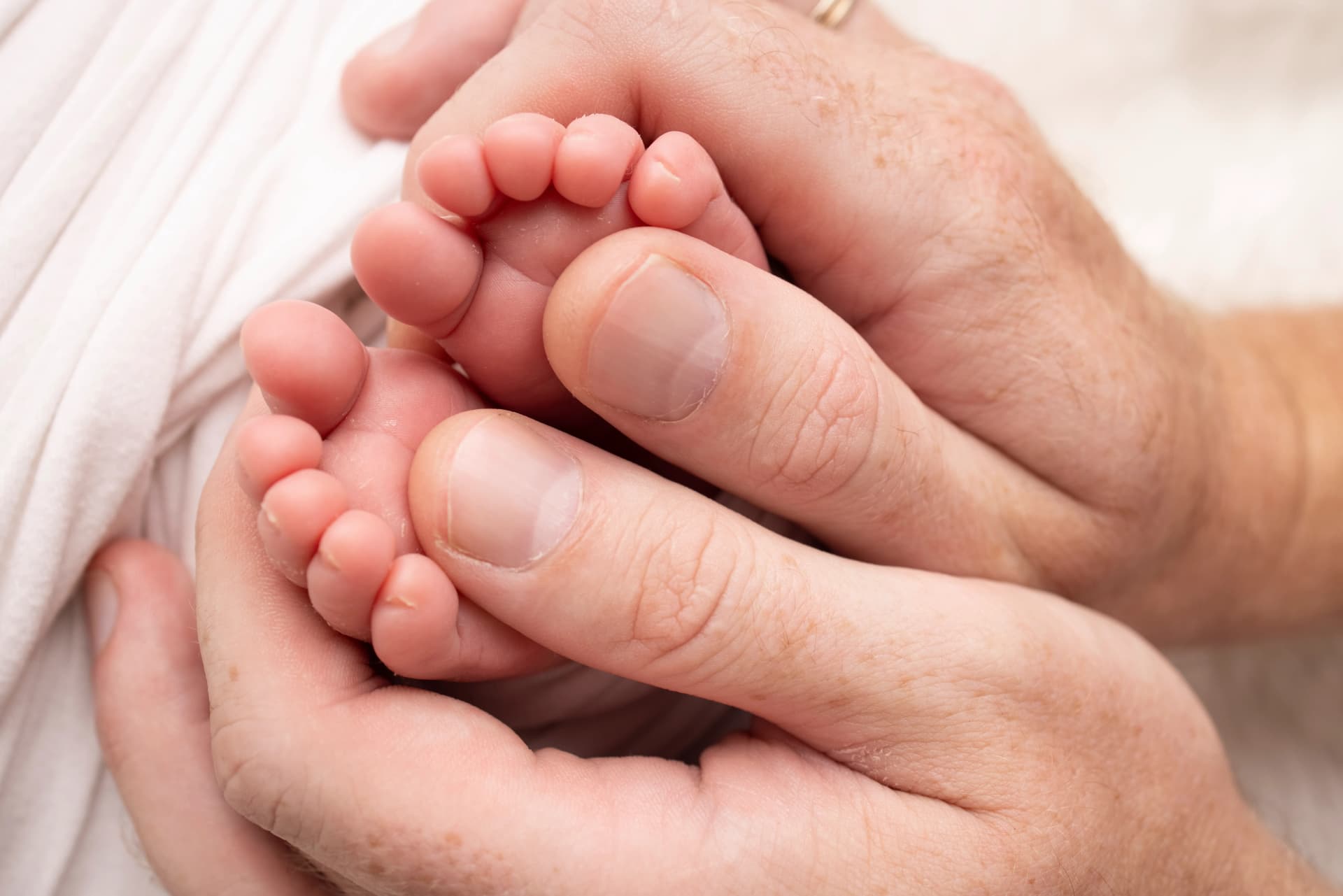
In addition to the types examined above, the types of adoption also include adoption through an adoption agency and international adoption.
Adoption Through an Adoption Agency
Adoption through an adoption agency refers to an adoption arranged by an adoption agency, in accordance with the Act on Special Cases concerning Adoption, of a child who has been separated from a guardian or is in a state unsuitable for parenting.
Eligibility Requirements for the Child to Be Adopted | A case in which the child has been separated from a guardian and the person liable for support cannot be identified |
A child in need of protection under 18 years of age who has been entrusted to a protective facility or adoption agency with the consent of the parents or guardian | |
A child of biological parents who have been declared to have lost parental authority | |
Eligibility Requirements for the Adoptive Parents | Possession of sufficient property to support the adoptee |
Ability to guarantee the child's rights as to religion, education, and membership in society | |
No criminal record of child abuse, domestic violence, sexual violence, or the like | |
Even if not a national of the Republic of Korea, recognition of qualification as an adoptive parent in the relevant country | |
Aged 25 years or older, with an age difference of no more than 60 years from the adoptee (exceptions possible) | |
Completion of training designated by the Minister of Health and Welfare prior to adoption |
To proceed with the adoption, the written consent of the biological parents or guardian must be obtained, and if the child to be adopted is 13 years of age or older, the child's own consent is required.
Intercountry Adoption
Intercountry adoption refers to an adoption involving a foreign element, including adoptions between a Korean national and a foreigner within the Republic of Korea, or between a Korean national and a foreigner abroad. Under the Act on Private International Law and the Special Act on Adoption, intercountry adoption is carried out through strict requirements and procedures.
Governing law for intercountry adoption
Category | Content |
Standard for governing law | Application of the national law of the adoptive parent, who is a party to the adoption |
Role of the adoptive parent's national law | Determines the requirements for adoption |
Role of the adoptee's national law | Determines whether the requirements necessary for the protection of the adoptee, such as acceptance and consent, are satisfied |
Reason for unification | Securing the stability and consistency of the adoption, such as the formation of the family after adoption and the grant of nationality |
Requirements for the establishment of intercountry adoption
∙ Satisfaction of the adoptee-protection requirements demanded by the national law of the adoptee
∙ Permission of the family court is mandatory when a foreigner adopts a child in need of protection in the Republic of Korea
∙ Adoption is not possible where the national law of a party to the adoption does not recognize the adoption system
∙ The age of the adoptive parent must be 25 years of age or older and under 45 years of age (exceptions possible)
See More
4. Adoption | Nullity and Cancellation

An adoption is established once certain requirements are met, but where the requirements have not been satisfied or where it is difficult to maintain the adoption relationship due to subsequent circumstances, it may be declared null or cancelled.
Nullity of Ordinary Adoption
Nullity of adoption refers to a case in which, even though an adoption report has been entered in the family relations register, the adoption has no effect from the outset because there is no agreement between the parties to the adoption or because there is a serious defect in the procedure.
Principal Grounds for Nullity
▷ An adoption act by a person without the capacity to form intent
▷ Where a third party files the report without the consent of the parties to the adoption
▷ Where the adoption is accepted despite the withdrawal of the intent to adopt after the adoption report
▷ A conditional or time-limited adoption
▷ Where there is no permission of the family court in the adoption of a minor or a person under adult guardianship
▷ Where there is no consent of the legal representative of an adoptee under 13 years of age
▷ Where an ascendant or an older person has been adopted
A null adoption is deemed not to have been established from the outset, and anyone may assert that the adoption was not established.
However, an action for nullity of adoption may be brought by the adoptive parents, the adoptee, the legal representative, or relatives within the fourth degree, and the family court has jurisdiction.
The kinship relationship arising from a null adoption is extinguished, and a right to claim damages may arise.
Cancellation of Ordinary Adoption
Cancellation of adoption refers to a system whereby, when certain legal grounds for cancellation exist after the adoption is established, a person entitled to seek cancellation brings an action before the family court to extinguish the adoption relationship prospectively.
Principal Grounds for Cancellation
▷ Adoption of a minor 13 years of age or older without the consent of the legal representative
▷ Where a minor has been adopted without the consent of the parents
▷ Adoption without the consent of the person under adult guardianship
▷ Individual adoption without the consent of one spouse
▷ Where there was a serious illness or other grave cause at the time of adoption
▷ A declaration of intent to adopt induced by fraud or duress
Cancellation is possible only by a judgment of the family court, and it cannot be effected by a declaration of intent to cancel the adoption alone.
The family court determines whether to grant cancellation by giving the highest priority to the welfare of the minor, and upon the cancellation becoming final, the kinship relationship is extinguished from the time of cancellation and the parental authority that existed before the adoption is revived.
A claim for damages is also possible for losses arising from the cancellation.
Cancellation of Full Adoption
Because full adoption is established through the permission of the family court on the premise of the consent of the biological parents, the concept of nullity of adoption does not apply.
However, where the biological parents were unable to give consent for reasons not attributable to them, they may claim cancellation of the full adoption within 6 months from the date on which they became aware of that fact.
Parties to the Action
Plaintiff | The biological parents who were unable to give consent at the time of the full adoption |
Defendant | The adoptive parents and the adoptee (in the event of death, the prosecutor acts on their behalf) |
The family court at the general venue of one of the adoptive parents has exclusive jurisdiction, and because the principle of compulsory prior conciliation applies, the conciliation procedure is undergone first.
Once the judgment cancelling the full adoption becomes final, the full adoption relationship is extinguished and the relationship with the biological parents that existed before the adoption is revived.
The effect of cancellation does not relate back to the date on which the adoption was established, but arises from the time the judgment becomes final.
An adoption cancellation report must be filed within 1 month after the final judgment, and the report form states the information on the parties, the date on which the adjudication became final, and the like.
5. Adoption | Checklist

To carry out an adoption smoothly, thorough preparation in line with the legal requirements and procedures is necessary.
In particular, it is important to carefully review the child to be adopted, the qualifications of the adoptive parents, the consent documents, and similar matters.
Preparation item | Content |
Confirmation of the adoptee child's eligibility | Confirmation of whether legal eligibility is met, such as status as a child in need of protection, loss of parental authority, and protection-referral status |
Satisfaction of the adoptive parents' eligibility requirements | Review of legal requirements such as age, assets, criminal record check, and completion of adoption education |
Securing the consent of the biological parents and guardian | Preparation of the adoption consent form and related supporting documents (including written consent and the guardian's consent) |
Completion of adoption reflection-period counseling | Confirmation of whether the biological parents have completed legal and psychological counseling before giving consent to the adoption |
Application for adoption permission to the family court | Preparation of the adoption permission application and necessary documents, and familiarity with the permission procedure |
Counseling and cooperation with the adoption agency | Counseling and support concerning the overall adoption procedure, and close communication with the adoption agency |
Confirmation of parenting allowance and welfare support | Confirmation of welfare benefits after adoption, such as parenting allowances and medical expense support from the national and local governments |
Support System of the Family Law Attorneys
This law firm includes numerous family law specialist attorneys registered with the Korean Bar Association, as well as specialist attorneys with an average of more than 10 years of experience.
In matters relating to adoption, the firm can provide comprehensive legal assistance throughout the entire process, ranging from confirmation of the child's eligibility to the examination of the adoptive parents' eligibility, the adoption consent procedure, permission from the family court, and post-adoption support.
If it is difficult to prepare for all the procedures on your own, you may proceed with the procedures more accurately and securely through the assistance of a family law attorney.