
CONTENTS
- 1. Disposition to Recover Medical Care Benefits | Concept

- - What Are Medical Care Benefits
- 2. Disposition to Recover Medical Care Benefits | Main Types
- - Receipt of Insurance Benefits by Deception or Improper Means
- - Establishment Through Name Lending by an Unqualified Person
- - Issuance of False Medical Certificates and Failure to Verify Qualifications
- 3. Disposition to Recover Medical Care Benefits | Joint Liability and Recovery
- - Arising of Joint Liability
- - Cases Where a Medical Care Institution Becomes Subject to Recovery
- 4. Disposition to Recover Medical Care Benefits | Procedures for Appeal
- - Filing of an Administrative Appeal
- - Filing of Administrative Litigation
- - Points of Proof
- 5. Disposition to Recover Medical Care Benefits | Legal Support

1. Disposition to Recover Medical Care Benefits | Concept
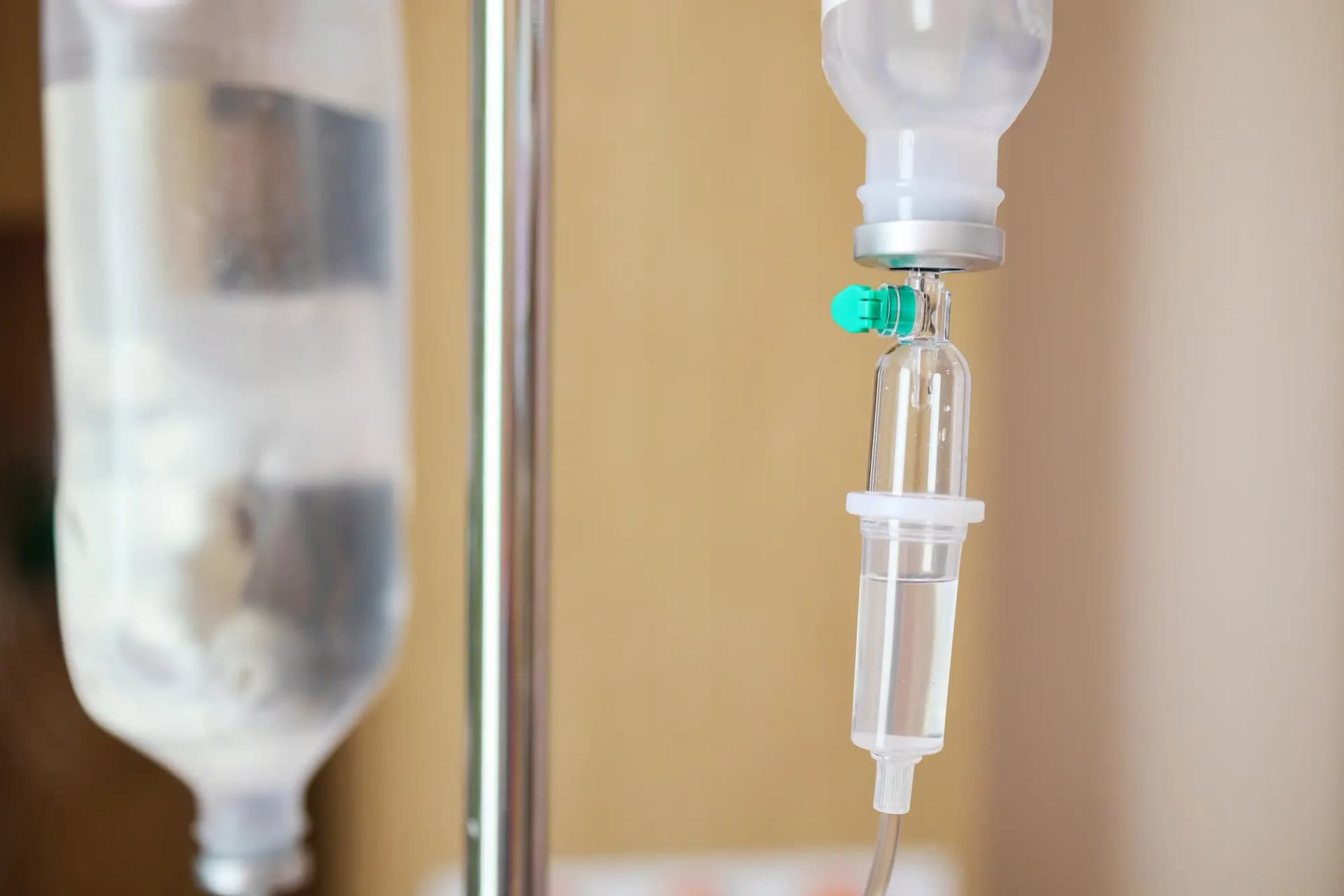
A disposition for recovery of health insurance benefits refers to an administrative disposition by which the National Health Insurance Service, having determined that some or all of the benefits paid to a care institution involved improper claims or mistaken payment, recovers that amount.
 What Are Medical Care Benefits
Medical care benefits refer to a system under which the National Health Insurance Service provides a fixed portion of the cost of medical treatment and care needed by the public due to illness, injury, childbirth, and similar circumstances.
They are provided as one form of insurance benefit under the National Health Insurance Act, and cover medical services in general, including examination and testing, the supply of medicines and treatment materials, and procedures and surgery.
After concluding a contract with the insurer, a medical care institution provides appropriate treatment to health insurance beneficiaries and, in return, claims benefit costs from the National Health Insurance Service.
2. Disposition to Recover Medical Care Benefits | Main Types
A disposition to recover medical care benefits may be issued broadly, covering not only simple billing errors but also cases involving intentional wrongful claims or violations of statutes.
Article 57 of the National Health Insurance Act clearly sets out the grounds for a recovery disposition, and the following types are representative under that provision.
Receipt of Insurance Benefits by Deception or Improper Means
Where a healthcare institution or a related party has received insurance benefits through deception or other improper means, the National Health Insurance Service may collect the full amount paid.
• Claiming benefits by disguising ineligible patients as eligible recipients
• Falsely claiming non-covered items as covered benefits
Such conduct falls under Article 57, Paragraph 1 of the National Health Insurance Act, and the collected amount may extend beyond a simple recovery to criminal punishment and administrative disposition.
Establishment Through Name Lending by an Unqualified Person
For unlicensed practitioner hospitals and unlicensed practitioner pharmacies, that is, medical institutions or pharmacies unlawfully established and operated by borrowing another person's name, the National Health Insurance Service may also recover the medical care benefits that were paid.
• A case where a person who is not a pharmacist establishes and operates a pharmacy and registers only a pharmacist's name (unlicensed practitioner pharmacy)
For such unlicensed practitioner hospitals or pharmacies, the matter does not stop at recovery; the operator is directly assigned responsibility for paying the recovered amount, and in many cases strong measures such as criminal accusation and collection of equivalent value of property follow.


Issuance of False Medical Certificates and Failure to Verify Qualifications
Where a medical care institution neglects to verify whether a person is eligible for insurance benefits, or issues a false medical certificate or confirmation document, such conduct is subject to a recovery disposition.
• Providing treatment without verifying whether the person is a subscriber
• Issuing a false medical certificate to claim benefits
In such cases, joint liability may be imposed not only on the medical care institution but also on the medical practitioner and patient involved.
3. Disposition to Recover Medical Care Benefits | Joint Liability and Recovery

A disposition to recover medical care benefits may extend its scope of liability not only to the party that wrongfully received the benefits but also to associated subscribers or medical care institutions.
In particular, in the case of joint liability, a party may become subject to recovery regardless of whether it directly participated, so careful review of the facts in each case and a prompt legal response can be very important.
Arising of Joint Liability
Where a person who received insurance benefits by deception or other improper means is a dependent, the National Health Insurance Service may also hold the subscriber jointly liable.
In other words, even if the insured person did not personally take part in the improper receipt, a joint obligation to pay the recovered amount may arise when a member of the same household received benefits improperly.
Cases Where a Medical Care Institution Becomes Subject to Recovery
Where a medical care institution has improperly received medical care benefit costs, the National Health Insurance Service may recover such amounts from that institution.
In this case, the Service must return the improperly claimed amount to the insured or the dependent without delay, and where there is an amount payable, it may offset that amount against the insured's premiums and other charges.
4. Disposition to Recover Medical Care Benefits | Procedures for Appeal
If a healthcare institution objects to a disposition reclaiming health insurance benefits, it may challenge the disposition of the National Health Insurance Service through the following procedures.
Filing of an Administrative Appeal
If a party contests a disposition for recovery of medical care benefits, the party may file an administrative appeal with the Health Insurance Dispute Mediation Committee within 90 days from the date the disposition was received or within 180 days from the date the disposition was issued.
An administrative appeal is a procedure for requesting reexamination of an administrative agency's disposition, and it offers a relatively prompt and simple way to contest the legality of a disposition.
However, even if an administrative appeal has been filed, a separate administrative litigation may still be filed afterward.
Filing of Administrative Litigation
Separately from administrative adjudication, a care institution may file an administrative litigation against a reclamation disposition.
In the course of the litigation, the burden of proving the impropriety of the reclamation disposition lies with the care institution, so the relevant evidence must be sufficiently prepared.
A revocation lawsuit must be filed within 90 days from the date the disposition became known, and it may no longer be filed once 1 year has passed from the date the disposition was made.
These two periods are not optional, so if either one passes, a revocation lawsuit can no longer be filed.
It is therefore very important to confirm the periods and file the lawsuit within the deadline.
Points of Proof
① Denial of the Claim of Unjust Enrichment
The Service maintains that the medical care institution received insurance benefits through improper means, but the institution must establish that it actually claimed the benefits lawfully and in accordance with the prescribed standards.
② Proof of Absence of Intent or Negligence
Even if unjust enrichment exists, it must be shown that it did not arise from intent or negligence.
In other words, it must be actively explained that there was no fault in the medical treatment and billing process, and that the situation was unavoidable.
③ Denial or Reduction of the Loss Asserted by the Service
Even where the Service asserts that a loss has occurred, it is important to establish that there was in fact no loss, or that it was very minor.
5. Disposition to Recover Medical Care Benefits | Legal Support

The legal interpretation of a healthcare benefit recovery disposition can be complex, and challenging such a disposition generally requires sufficient supporting evidence and a specialized response strategy.
In particular, because the burden of proof rests with the healthcare institution, responding alone may place the institution at a disadvantage, so the assistance of an experienced attorney can be important.
Our firm has medical attorneys and administrative attorneys work closely together to provide comprehensive legal support, from the healthcare benefit recovery disposition stage through any litigation that may arise thereafter.
Through a systematic response and a tailored strategy, we work to protect the client's rights and to minimize unnecessary harm.
If you are facing a healthcare benefit recovery disposition, you may wish to develop a response strategy together with a 🔗medical attorney.


Watch related video content
for this case study.

Complex and difficult medical litigation, what is the success strategy?