CONTENTS
- 1. The Client Who Requested Assistance in the Public-Private Partnership Dispute

- - Detailed Circumstances of the Case
- 2. Assistance Provided in Responding to the Public-Private Partnership Dispute
- - Review of the Contractual Structure and Responsible Parties
- - Interpretation of the Insurance Policy and Analysis of Cost Items
- - Comprehensive Review of Legal and Technical Materials and Formulation of Arguments
- 3. Outcome of the Public-Private Partnership Project Dispute: "Favorable Judgment"
- 4. How to Respond to a Public-Private Partnership Project Dispute
- - Response Points for Companies
- - If You Need Assistance

1. The Client Who Requested Assistance in the Public-Private Partnership Dispute
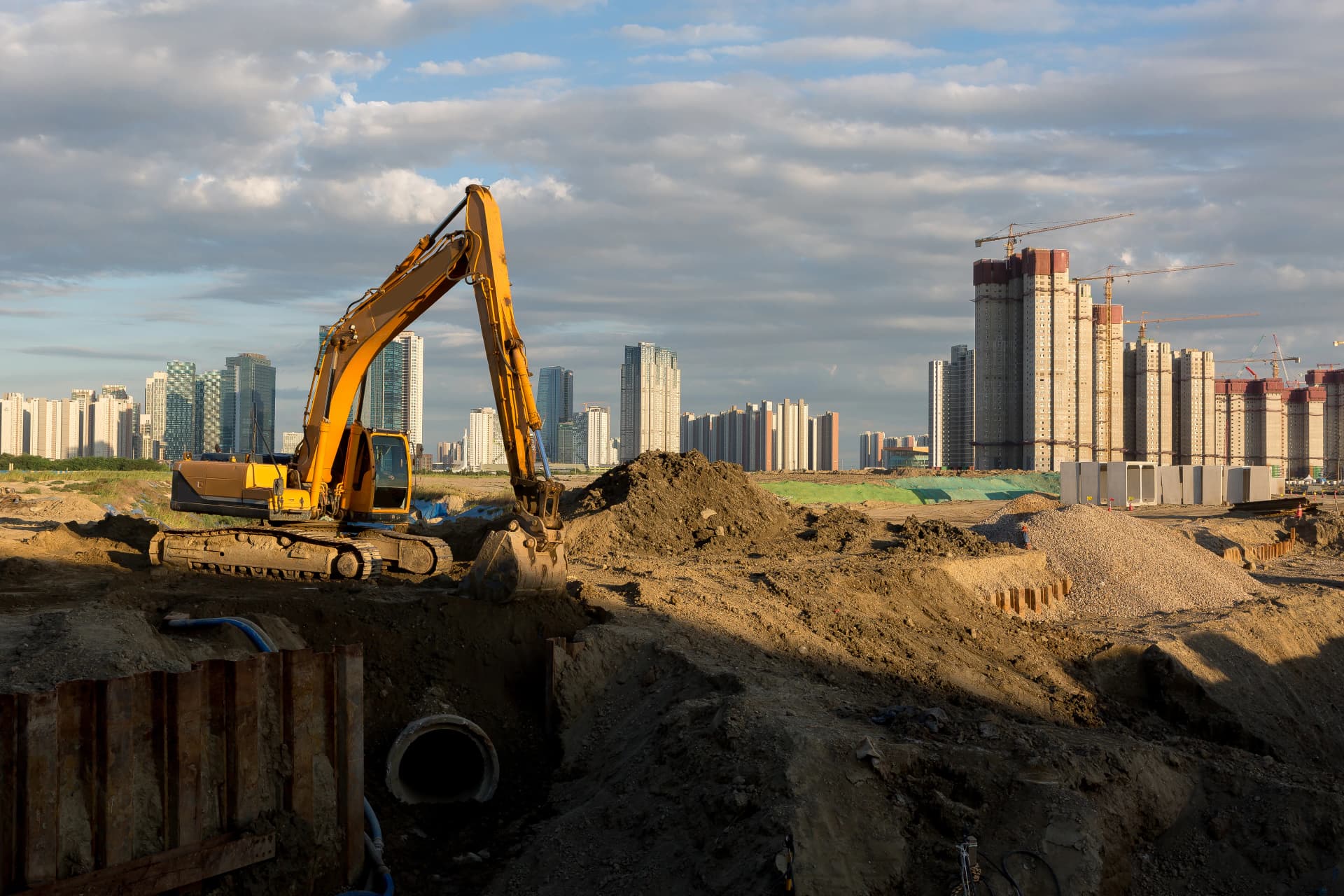
The client facing a public-private partnership dispute, having had insurance proceeds claimed against it by the project operator on the grounds of design changes and additional construction costs, requested assistance from a corporate specialist attorney in order to defend against the claim.
 Detailed Circumstances of the Case
The client was the insurer for a large-scale project carried out by way of a public-private partnership.
The project operator claimed payment of insurance proceeds on the grounds that it had changed the design standards and performed additional reinforcement work during the course of the project.
However, the client took the view that these costs were not damages caused by an accident or external factors, but an ordinary cost increase arising from the operator’s own design adjustments and construction judgments.
Because the roles and responsibilities of each participant were complexly intertwined under the contractual structure of the public-private partnership project, the client requested the assistance of a corporate specialist attorney capable of providing expert legal interpretation.


2. Assistance Provided in Responding to the Public-Private Partnership Dispute
The core issues in this case lay in ▲ whether the design change constituted an ‘unexpected accident’ that is a ground for payment of insurance proceeds, ▲ the reasonableness of the calculation of the additional construction costs and the causal relationship of the damage, and ▲ the scope of application of the exemption clause under the insurance policy.
Focusing on these three issues, the corporate specialist attorney concentrated on analyzing the contractual structure, interpreting the policy, and verifying technical materials, and built a defense argument combining legal principles and the facts.
Review of the Contractual Structure and Responsible Parties
The corporate specialist attorney analyzed the contractual framework among the project operator, the contractor, and the supervision team to clearly distinguish the parties responsible.
As a result of the review, the attorney confirmed that the design change had been made by an internal decision of the contractor without the approval of the ordering agency.
Accordingly, the attorney legally proved that the change did not constitute an ‘unexpected accident’ under the insurance policy.
Interpretation of the Insurance Policy and Analysis of Cost Items
The corporate specialist attorney established the criteria for interpretation based on the scope of coverage and the exemption clauses of the construction insurance policy.
By specifically reviewing items in the additional cost statement, such as the increase in deployed personnel and the adjustment of unit prices, the attorney demonstrated that they were merely ordinary cost adjustments.
On this basis, the attorney clearly excluded the portion of the claimed amount that could not be regarded as actual damage, thereby preventing unnecessary payment.
Comprehensive Review of Legal and Technical Materials and Formulation of Arguments
The corporate attorney structured the key issues by cross-checking the design change approval documents, the construction schedule, and the technical review reports.
We secured technical grounds showing that the construction changes amounted to no more than construction adjustments within a foreseeable range.
By presenting consistent reasoning to the court based on these materials, we obtained a decision consistent with the indemnification purpose of the insurance contract.
3. Outcome of the Public-Private Partnership Project Dispute: "Favorable Judgment"
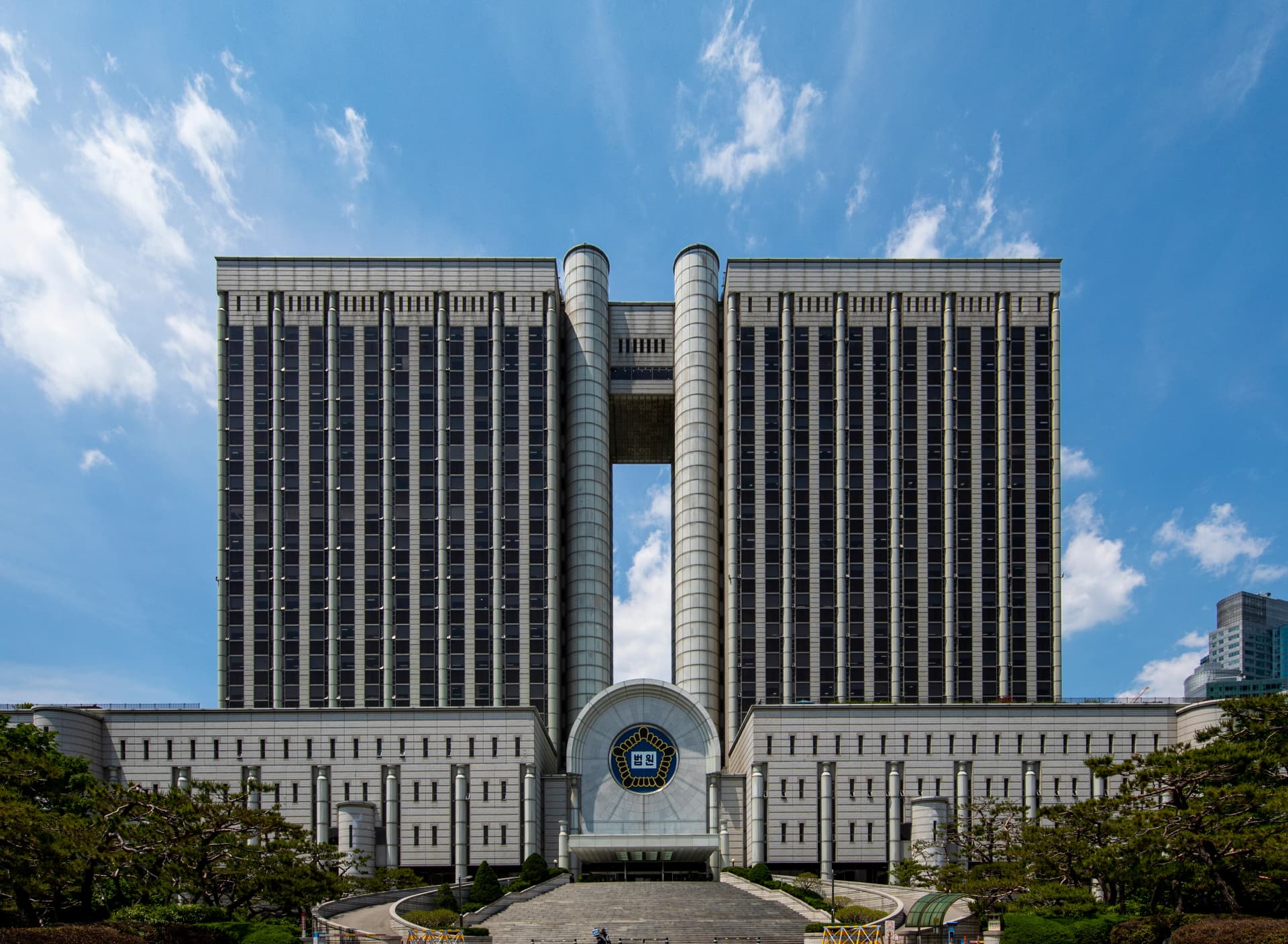
The court accepted the corporate attorney's arguments and dismissed most of the additional cost claim sought by the project operator.
The client was able to avoid an unnecessary insurance burden of several billion won, and was able to secure a clear standard regarding the interpretation of insurance policy terms and the scope of liability for similar disputes in the future.
4. How to Respond to a Public-Private Partnership Project Dispute
Because public-private partnership project disputes involve multiple parties such as the project operator, the contractor, and the supervisory team in a complex structure, the attribution of liability becomes the central issue when construction delays or additional costs arise.
In particular, the approval procedure for design changes, the foreseeability of construction conditions, and whether the matter qualifies as a 'fortuitous accident' under the insurance policy terms serve as major factors that determine the validity of an insurance claim.
Accordingly, it is important to clearly distinguish the party responsible at each contractual stage and to closely examine the legal causation through interpretation of the policy terms.
Given these legal characteristics, a company needs to manage dispute risk by focusing on the following response points.
Response Points for Companies
1. Clarifying the Cause of the Cost Increase
Therefore, it is important to secure supporting evidence that can prove the loss resulted from an 'external and fortuitous accident' that is subject to insurance coverage.
2. Close Review of the Interpretation of the Insurance Policy Terms
The meaning of a 'fortuitous accident' under the policy terms and the distinction of loss arising from a 'construction judgment' directly affect whether the insurance proceeds are recognized.
3. Analysis of the Project Structure and Division of Liability
Therefore, clearly distinguishing the contractual obligations and the responsible party at each stage is a key element in defending against disputes and preventing liability for damages.
If You Need Assistance

A public-private partnership project dispute is a complex matter that requires a comprehensive assessment going beyond mere contract interpretation to consider the scope of application of the insurance policy terms and the decisions made during the course of construction.
In particular, in a structure involving multiple stakeholders, a company may be exposed to considerable financial and legal risk without a legal review to accurately determine the cost burden and the attribution of liability.
Our firm systematically analyzes the contract provisions, the interpretation of policy terms, and the technical materials to design a logical response strategy grounded in legal bases, and supports clients at each stage of the dispute.
Through this, we focus on preventing unnecessary payment of insurance proceeds and on minimizing a company's legal and financial risk in disputes with stakeholders such as the courts or the ordering agency.
If you are facing a similar dispute, 🔗Legal Consultation Booking is available should you wish to request assistance.
This content is based on actual case studies of Daeryun Law LLC with some adaptations, and the copyright belongs to our firm.
Unauthorized reproduction, duplication, or distribution and other copyright infringements may result in legal action under applicable laws.