“Trump’s ‘tariff war’… Risk management is important through pre-screening procedures”
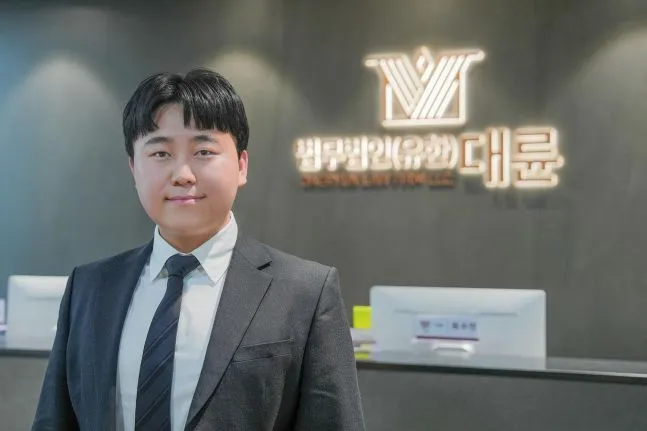
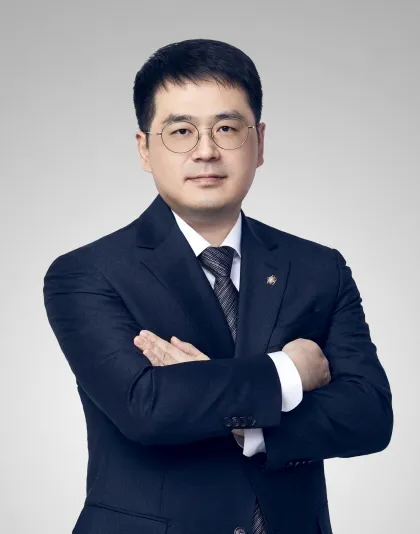
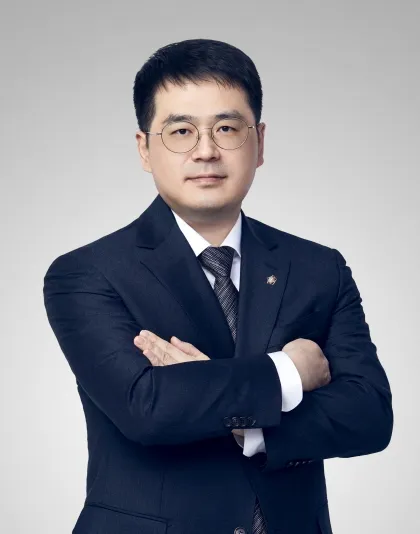
Interview with Kim Dae-ryun, customs expert at the Dae-ryun Customs, International Trade and Arbitration Group. U.S. President Donald Trump announced that he would impose additional tariffs on automobiles and semiconductors following the imposition of a 25% tariff on imported steel and aluminum products. The so-called 'tariff war' of the second Trump administration is expected to intensify. As the U.S. tariff policy expands to various industries and other target countries, it is expected to have a significant impact on Korea, which has signed a free trade agreement (FTA). It is a time when it becomes important to prepare Korean export companies for universal tariffs. Daeryun International Trade, Arbitration and Customs Law Firm's International Trade, Arbitration and Customs Group has a variety of experts, including customs experts and accountants, collaborating with customs attorneys. In particular, team members with expertise in specific fields such as FTA origin verification, anti-dumping tariff response, and customs investigation response are providing customized consulting to companies. Customs expert Kim Dae-ryun, who recently joined the group, is a customs broker, bonded broker, origin manager, etc. As an expert in the customs field with a logistics manager qualification, on the 4th, he analyzed issues in the customs field and expressed his opinions on risk management strategies that companies should adopt in the global customs environment. The following is a Q&A with expert Kim Dae-ryun. Q. As trade between countries becomes more active, the need for experts in the customs field is increasing. What kind of work is usually performed? We advise on a wide range of tasks, including FTA consulting, product classification preliminary screening, customs assessment, and import/export requirements consulting, so that companies can proactively manage customs law risks that arise in the process of importing and exporting goods. In addition, we are responding to investigations that occur at customs, including customs investigations, customs dispute resolution, and foreign exchange inspections and investigations.Q. The customs field is a field that requires a variety of expertise, so there are likely to be many difficulties in handling the work. What difficulties do you have in performing your duties? Due to the nature of trade transactions, various goods are imported and exported, and transaction methods also vary. Understanding the product is essential in order to classify the product, which is the basis of customs duties. However, in the case of a newly developed product, there is a difficulty in that a lot of study is needed about the product and industry group.Q. As a customs expert, what are your opinions on recent customs issues? It is important to review the adequacy of the basic items of import declaration in the United States, such as item classification, dutiable value, and country of origin declaration, in accordance with the reasonable care obligation stipulated by the U.S. Customs Service (CBP). I think a more detailed response is needed, such as checking for roundabout export transactions of Chinese goods through the country, obtaining final confirmation of the country of origin through CBP Ruling, the U.S.'s authoritative interpretation of the origin, and managing risks related to additional tariffs.Q. What are the legal and institutional methods that can be used to reduce tariff risks? The areas where tariff disputes occur most often are product classification (HS CODE) and tariff evaluation. The U.S. CBP conducts preliminary screening for product classification and customs assessment as well as origin. To manage tariff risks, companies need to utilize the relevant system. In Korea, it is important to manage taxation risks in advance through pre-examination procedures such as pre-examination of product classification, pre-examination of taxable price determination method, and pre-examination of taxable price for special relationships.Q. Regarding customs issues, the role of the Daeryun International Trade, Arbitration, and Customs Group appears to be important. In relation to this, what services does the group currently provide? The group provides a variety of legal services, from origin consulting at the product production planning stage to pre-application for origin determination to CBP. Through these services, it is possible to determine whether additional tariffs are subject to additional tariffs by confirming the country of origin of exported goods, which greatly helps companies in establishing tariff strategies.Q. One last thing I would like to say. As the current global trade environment is rapidly changing, the impact of tariffs and trade regulations on corporate management is increasing. The pre-screening process often takes a long time. In particular, since the documents required for application are diverse and the contents are complex, it is recommended to seek help from an expert. Reporter Eunhye Lee (zhses3@joseilbo.com)[View full article]
“Trump’s ‘tariff war’… Risk management is important through pre-screening procedures” (link)