
CONTENTS
- 1. Crime of Property Damage | Definition

- - Requirements for Establishment
- 2. Crime of Property Damage | Types
- - Destruction of a Public-Interest Structure
- - Aggravated Destruction
- - Special Destruction
- 3. Crime of Property Damage | Punishment Standards
- - Level of Punishment
- - Sentencing Guidelines
- - Examining the Level of Punishment Through Actual Precedents
- 4. Crime of Property Damage | Response Methods
- - Checking Information Related to the Property Damage Charge
- - Settlement With the Victim
- - Responding to Legal Procedures
- 5. Crime of Destruction of Property | Difficult to Handle Alone?

1. Crime of Property Damage | Definition
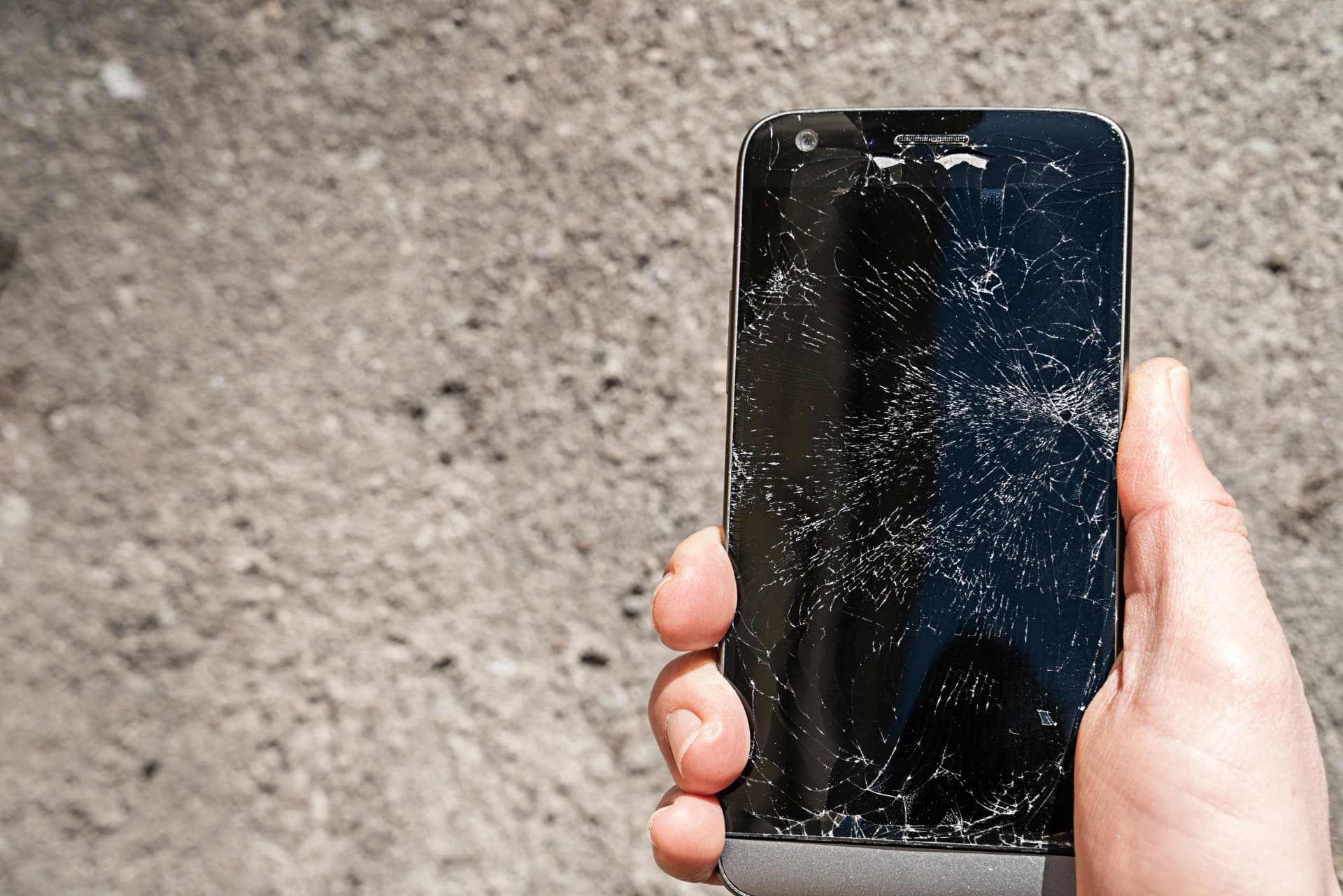
The crime of property damage involves intentionally damaging or destroying another person's property, and it is punished under the Criminal Act as 'Destruction of property'.
Several important requirements must be met for the Destruction of property to be established.
 Requirements for Establishment
① Another Person's Property
The crime of property damage legally constitutes Destruction of property, which damages another person's possessions.
The another person's property referred to here includes not only individuals but also all property owned by a third party, such as a company or institution.
It includes tangible objects such as automobiles, electronic appliances, buildings, and public facilities, as well as documents or electronic records that have a certain utility.
By contrast, when a person damages his or her own property, the crime is not established.
② Intent
When another person's property is broken or damaged simply by mistake, the crime is not established.
The presence of intent means that the person damaged another person's property while aware that he or she would intentionally cause the loss of the property's utility.
The Supreme Court has held that the crime of property damage does not necessarily require a planned intent to cause damage.
Even when the act was not planned, the crime may be established if the person recognized that the property's utility would be lost against the owner's will.
For example, even if a person did not break the object on purpose, the crime is established when the person acted while fully aware that the object would be damaged.
③ Actual Damage
For the Destruction of property to be established, physical damage must occur to the object.
The damage referred to here means not merely a change in outward appearance but a state in which the use value or function of the object has declined.


2. Crime of Property Damage | Types
The types of the crime of property damage include destruction of a public-interest structure, aggravated destruction, and the crime of special destruction.
Destruction of a Public-Interest Structure
The crime of destruction of a public-interest structure punishes the intentional destruction or damaging of a building or facility used for the public interest (a public-interest structure).
Here, a 'structure that serves the public interest' means a residence or a similar building used for a public-interest purpose, and it is included whether it is owned by the State or by a private individual.
However, under Article 141, Paragraph 2 of the Criminal Act, a structure used by a public office falls outside its scope of application.
Aggravated Destruction
Aggravated destruction is one of the result-aggravated crimes of destruction under the Criminal Act, and it applies when a person commits the Destruction of property or the crime of destruction of a public-interest structure and, in doing so, endangers the life or body of a person.
In simple terms, it covers a case where the act of damaging property injures a person or leads to a person's death.
Special Destruction
The crime of special destruction is a crime of destroying another person's property and the like while acting together as an organization or a group, or while carrying a dangerous object.
Unlike simple Destruction of property, it is punished more severely because it involves the use of collective force or is carried out by dangerous means.
3. Crime of Property Damage | Punishment Standards
The crime of property damage is charged as the Destruction of property under the Criminal Act.
For the Destruction of property, the crime of destruction of a public-interest structure, and the crime of special destruction, the Criminal Act provides that attempts are also punished.
▶ Criminal Act Article 370 (Attempts)
Level of Punishment
▶ Criminal Act Article 366
Destruction of property | Imprisonment for up to 3 years or a fine of up to KRW 7 million |
▶ Criminal Act Article 367
Destruction of a public-interest structure | Imprisonment for up to 10 years or a fine of up to KRW 20 million |
▶ Criminal Act Article 368 (Aggravated Destruction)
Where a danger to the life or body of a person is caused | Imprisonment for not less than 1 year and not more than 10 years |
Where a person is caused injury | Imprisonment for a definite term of not less than 1 year |
Where death is caused | Imprisonment for a definite term of not less than 3 years |
▶ Criminal Act Article 369
Crime of special destruction | Imprisonment for up to 5 years or a fine of up to KRW 10 million |
Sentencing Guidelines
General Criteria
▷ A motive for the offense worth considering
▷ Where the act of destruction was committed with willful negligence
▷ Where the actual harm is minor
▷ Mental and physical weakness
▷ Turning oneself in
▷ The victim's wish not to punish or recovery of the harm
▷ Passive participation
▷ Sincere reflection
▷ No record of criminal punishment
Examining the Level of Punishment Through Actual Precedents
Daejeon District Court, Judgment of July 8, 2021, 2021 Gojeong 445
The defendant then intentionally damaged the victim's floor lighting, resulting in repair costs.
He also repeatedly committed acts of damage, such as throwing down the victim's nameplate and scratching it several times with a brick, again resulting in repair costs.
As a result of these acts,
Incheon District Court, Judgment of April 9, 2025, 2024 Gojeong 1971
Angered by this, the defendant committed an act of destruction by punching and breaking the acrylic panel installed in the consultation room.
4. Crime of Property Damage | Response Methods
In a property damage case, because the victim's assertions and the client's position may conflict, you must accurately establish all the facts of the case and respond in a reasonable and logical legal manner.
Checking Information Related to the Property Damage Charge
If you have been reported, it is very important to promptly establish the circumstances in which your conduct occurred.
You should specifically recall and organize when, where, what object, and how it was damaged.
You should also secure objective evidence such as photographs and videos of the damaged object and witness statements.
If what the victim asserts differs from your memory or the evidence you have secured, you should specifically organize the differences between the two sides and prepare so that there are no contradictions in your statement.
▷ Engaging sincerely in the investigation process and avoiding emotional responses
▷ Clearly confirming case-related documents such as the criminal complaint and accusation, and the content of the charges
Settlement With the Victim
Reaching an amicable settlement with the victim can help reduce criminal punishment.
To do this, you should first accurately calculate the repair or replacement cost of the damaged object, and on that basis clearly convey your intention to compensate the victim.
Even if a settlement is not reached, you should prepare to engage sincerely in the legal procedures that follow.
▷ Always putting the settlement terms in writing to prepare for future legal disputes
▷ Carefully keeping related documents and evidence even after the settlement
Responding to Legal Procedures
In a series of legal procedures such as the police investigation, appearance before the prosecutors, and the court trial, you should prepare accurate and consistent statements based on the facts.
You should cooperate actively with the procedures, for example by submitting the documents and evidence required by the investigating agency or the court in a timely manner.
Reversing your statement or making false statements may work against you, so you should avoid this and respond calmly without letting emotions take the lead.
▷ Respond calmly without being swayed by emotion
5. Crime of Destruction of Property | Difficult to Handle Alone?

If you are involved in such a case, you may request assistance from a criminal attorney at Daeryun Law Firm at any time.
From the early stages of a case, our firm thoroughly reviews every element needed to establish a charge of destruction of property, including the defendant's intent, the condition of the damaged item, and the extent of the damage.
We also work with our in-house evidence investigation center to develop a defense strategy grounded in specific evidence gathering, such as on-site investigation of the scene and securing witness statements.


Watch related video content
for this case study.

Criminal Deposit Q&A 🔎 Ask anything! 👀