
CONTENTS
- 1. Athlete Visa / Entertainer Visa (P) | A Visa for Athletes and Entertainers

- - Types of P Visas and Eligible Persons
- - Main Features of the P Visa
- 2. Athlete Visa / Entertainer Visa (P) | Detailed Requirements by P Visa
- - Athletes (P-1A)
- - Entertainment Groups (P-1B)
- - Reciprocal Exchange Program Performers and Folk Performers (P-2, P-3)
- 3. Athlete Visa / Entertainer Visa (P) | P Visa Application Process
- - Mandatory Consultation With Associations and Federations
- - Required Documents for the P Visa
- - Points to Note When Preparing the P Visa
- 4. Athlete/Entertainer Visa (P) | Differences From the O Visa
- - Scope of Professional Assistance When Applying for the P Visa

1. Athlete Visa / Entertainer Visa (P) | A Visa for Athletes and Entertainers
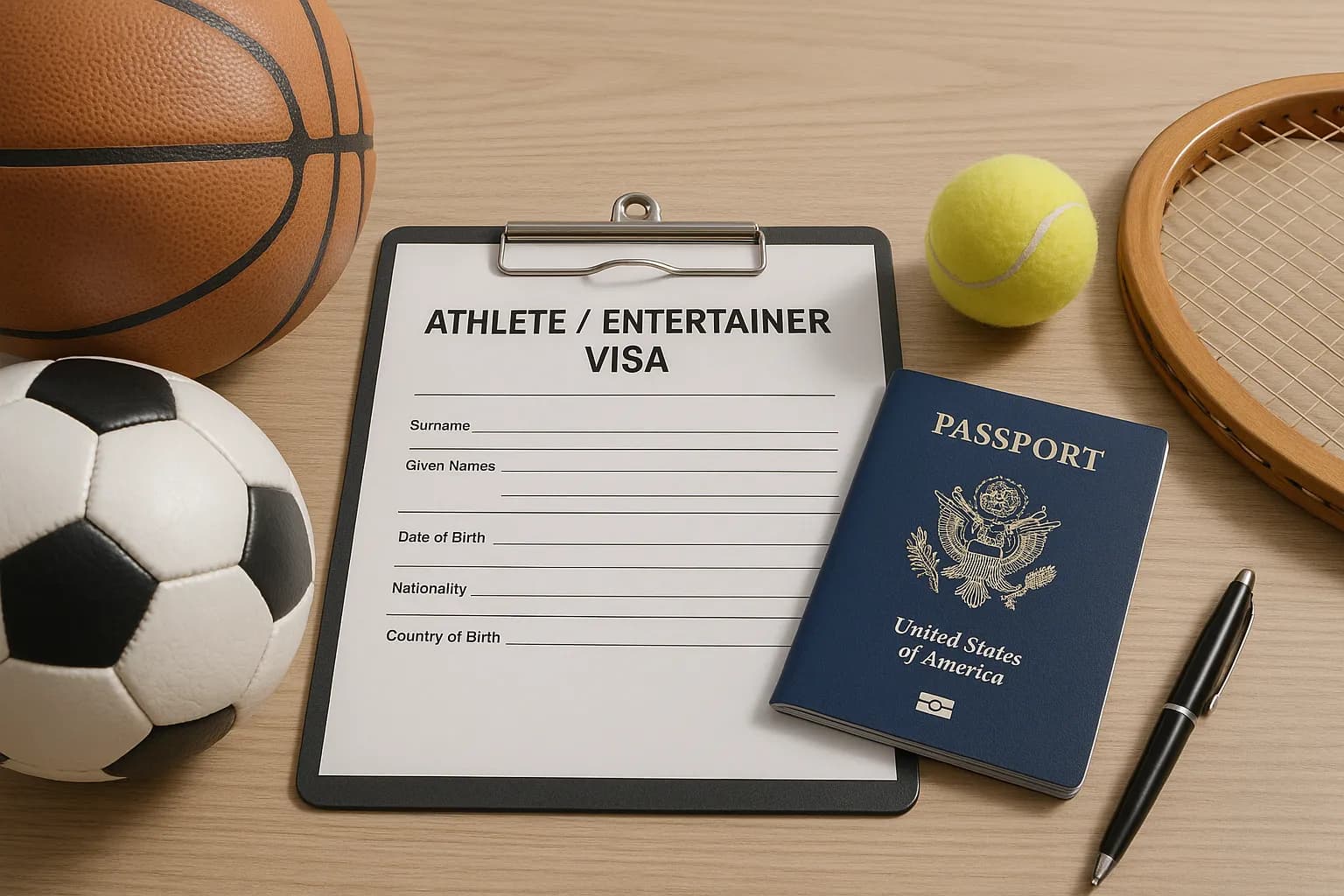
The Athlete Visa / Entertainer Visa (the P visa) is a nonimmigrant work visa that allows internationally recognized athletes or entertainers, and the essential support staff for their performances and the like, to lawfully carry out performances, competitions, cultural exchange, and similar activities in the United States for a certain period.
Because the sports and entertainment industries are highly developed in the United States, the P visa is, along with the H-1B (a professional visa) and the O visa (a visa for individuals with extraordinary ability), one of the visas widely used by professionals in the sports and entertainment fields.
 Types of P Visas and Eligible Persons
The P visa is divided into P-1A, P-1B, P-2, and P-3 according to the eligible person and the type of activity.
Visa Type | Eligible Persons | Features |
P-1A | Internationally recognized individual athletes or teams | National team athletes, professional athletes, league athletes, league-affiliated athletes and coaches |
P-1B | Internationally renowned entertainment groups | K-POP idol groups, bands, and the like |
P-2 | Performers active under a reciprocal exchange program | Exchange between organizations that have concluded a cultural exchange agreement |
P-3 | Performers of unique cultural or folk art | Folk dance troupes, traditional music ensembles, and the like |
Main Features of the P Visa
In the case of the Athlete Visa / Entertainer Visa (P), the petition must be filed through a U.S. employer or an authorized agent.
For this, an advisory opinion from a relevant labor union or professional organization in the United States is required.
To apply for the Athlete Visa / Entertainer Visa, an activity contract and a schedule of performances and competitions must be submitted, and in addition to the main applicant, trainers, managers, coaches, and others may apply through a separate visa.
In addition, when accompanied by family, a spouse and unmarried children under 21 obtain nonimmigrant status through P-4 eligibility.
The children may attend school or college in the United States, but they may not work.


2. Athlete Visa / Entertainer Visa (P) | Detailed Requirements by P Visa
The Athlete Visa / Entertainer Visa (P) provides for four visa categories.
The eligibility requirements differ, but they are similar in requiring proof of outstanding ability and success in the relevant field.
Therefore, if you are preparing for a P visa, you should compile supporting materials through major domestic and international awards, proof of works, competition achievements, and certification from industry experts and associations.
Athletes (P-1A)
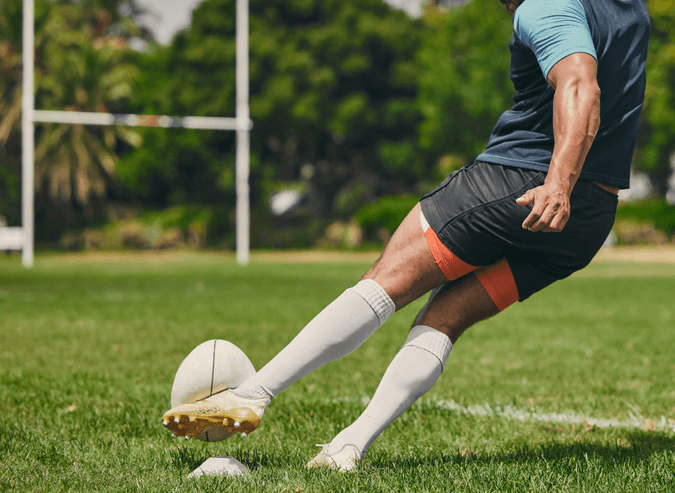
Among athlete visas, the visa for athletes (P-1A) may be issued to internationally recognized individual athletes or teams.
Eligible individuals include national team athletes in the Olympics or world championships, players in professional leagues such as Major League Baseball and the NBA, and athletes competing in collegiate leagues.
Individual athletes and essential support personnel may extend their stay for up to 5 years, so that the total period of stay is limited to 10 years.
For a team that has obtained an athlete or entertainer visa, the initial period is 1 year, with an extension of up to 1 additional year.
[Key Eligibility Requirements]
- A record of national team membership or participation in major international competitions
- A world or domestic ranking
- A record of participation in U.S. league or collegiate competitions
- A letter of recommendation from a U.S. sports organization
- Official recognition by the press and other mass media
Entertainment Groups (P-1B)
Internationally recognized entertainment groups and their members, camera operators and lighting technicians, and stage personnel may obtain the P-1B entertainer visa.
This visa is valid when a person enters the United States as part of an entertainment group, such as a member of a K-POP group, an orchestra or band, or a dance team.
An entertainer who does not perform as part of a group does not qualify for the P-1B visa.
A consultation letter from an association or organization, an employment contract proving regular activity for at least 1 year, and a schedule of performances and tours, among other documents, are required.
In this case, the initial period of stay is less than 1 year, with an extension of up to 1 year for events or performances.
[Key Eligibility Requirements]
- At least 75% of the group members have maintained a relationship with the group for 1 year or more
- Evidence proving the group's international recognition, such as awards and chart rankings
- Continuous press coverage
- A record of commercial success, such as album sales and box-office results
- A letter of recommendation from an authoritative figure
- Proof of substantial earnings, such as high performance fees
Reciprocal Exchange Program Performers and Folk Performers (P-2, P-3)
The P-2 is used when artists or entertainers from a country that has a reciprocal exchange agreement with the United States enter for the purpose of cultural exchange. (Korea has no association that has concluded a reciprocal agreement.)
The P-3 may be issued when artists or entertainers participating in a culturally unique program perform or teach traditional culture specific to a particular country or ethnic group, such as folk art, traditional dance, or music.
Korean traditional music ensembles, traditional dance troupes, and traditional craft demonstration teams may be issued the P-3 visa, and in this case the program must be culturally unique and its traditional character must be demonstrated.
The conditions require that the program be culturally unique and that its traditional character be demonstrated, and the purpose of the performance or event must be cultural and educational rather than commercial.
For the P-3 visa as well, the period of stay is 1 year, with an extension of up to 1 additional year.
3. Athlete Visa / Entertainer Visa (P) | P Visa Application Process
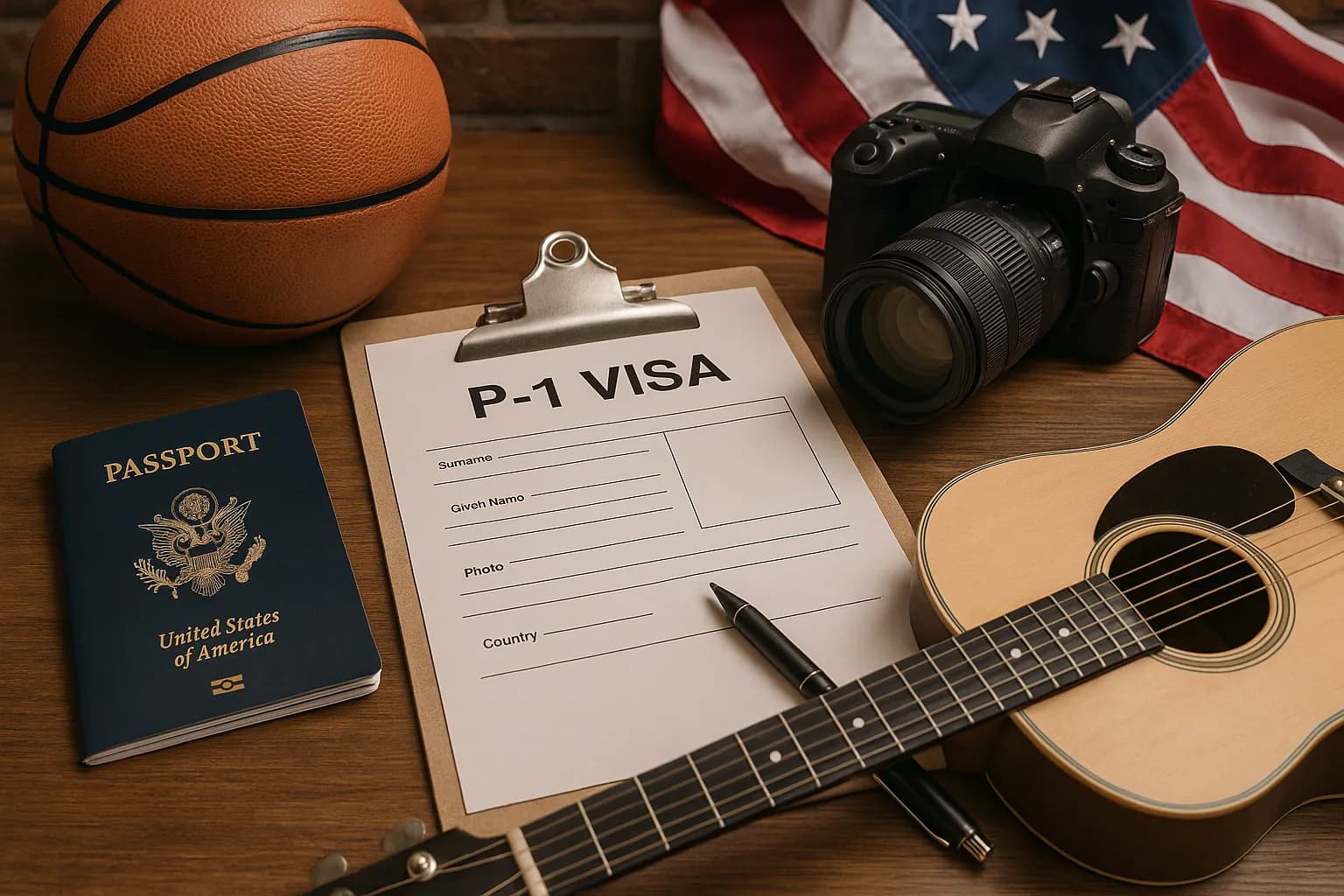
For the Athlete Visa / Entertainer Visa, a petition (Petition) must be filed through a U.S. employer or an authorized agent.
Mandatory Consultation With Associations and Federations
An athlete visa or entertainer visa cannot be petitioned for directly by the applicant; a U.S. employer or agent must file the I-129 petition.
The applicant must obtain a consultation and advisory opinion through an advisory letter from an association, federation, or similar body confirming that there is no objection, and must attach an employment contract along with a subsequent schedule of performances and competitions, among other documents.
U.S. Citizenship and Immigration Services then reviews the petition and approves the visa.
Once the approval notice is received, the applicant must prepare for the visa interview at the U.S. Embassy in Korea.
At this stage, the applicant prepares the documents by completing the ‘DS-160’ form online, which includes passport details, personal information, a resume, and information on educational background.
Required Documents for the P Visa
Document | Description |
I-129 Petition | Prepared by the employer or agent |
Association Consultation | A consultation letter from an organization such as an actors' association or the American Federation of Musicians |
Employment Contract | Including the nature of the activity and terms of compensation |
Performance/Competition Schedule | A detailed schedule and venues |
Supporting Eligibility Materials | Award records, press coverage, and similar materials |
Letter of Recommendation | From relevant parties, associations, and others |
Proof of Group Activity | For a group, a member list and a history of activities |
Points to Note When Preparing the P Visa
1. Do Not Omit the Labor Union Advisory Opinion
Because the United States has strong labor unions in each industry, the absence of a consultation letter from the relevant industry union makes denial very likely.
However, if no appropriate organization exists, the consultation letter requirement is waived.
[Representative Associations and Federations]
- Actors' Equity Association (AEA)
- American Federation of Musicians (AFM)
- League of American Orchestras
- American Folklore Society
- Association of Performing Arts Presenters
- Dramatists Guild of America
- Professional Skaters Association
- United States Equestrian Federation
- International Game Developers Association (IGDA)
2. Realism of the Contract Terms
A false or exaggerated performance schedule may later become grounds for denial.
3. Meeting the Eligibility Requirements
In particular, because the P-1B requires ‘international recognition’ to be maintained for at least 1 year, the O-1B (extraordinary ability visa) may be more suitable for groups in the early stages of their debut.
4. Athlete/Entertainer Visa (P) | Differences From the O Visa

Many people preparing for an athlete or entertainer visa compare the O visa and the P visa.
For the O visa, only individual athletes and entertainers are eligible.
The main differences are as follows.
Item | P Visa | O Visa |
Eligible Persons | International teams, groups, and exchange programs | Individual artists, entertainers, and athletes |
Group Application | Permitted | Not permitted (individuals only) |
Labor Union Advisory Opinion | Required | Advisable to obtain |
Period of Stay | Limited | May be extended for the duration of the activity |
Scope of Professional Assistance When Applying for the P Visa
An athlete or entertainer visa is best handled together with an experienced immigration attorney, entertainment attorney, or sports attorney.
Obtaining an athlete or entertainer visa can serve as a key path for expanding a career onto the global stage.
However, preparing the supporting materials needed to meet the requirements is demanding, and the applicant must demonstrate matters such as consultation with the relevant U.S. industry labor union and the transparency of the employment contract.
The firm's immigration attorneys, including a foreign attorney advising on U.S. law (United States) and attorneys with extensive immigration-related experience, form a task force to assist with the overall process of obtaining an athlete or entertainer visa.
If you are laying the groundwork for an active move abroad as a K-POP Hallyu star, sports star, or similar figure, you may schedule a legal consultation with an immigration attorney at any time.