




Seoul gives young doctors 4 days to end walkouts, threatening suspended licenses and prosecutions

2024-02-27
SEOUL, South Korea (AP) — Junior doctors in South Korea have four days to end their walkouts or they will have their medical licenses suspended and face prosecution, the government said Monday.
About 9,000 medical interns and residents have stayed off the job since early last week to protest a government plan to increase medical school admissions by about 65%. The walkouts have severely hurt the operations of their hospitals, with numerous cancellations of surgeries and other treatments.
Government officials say adding more doctors is necessary to deal with South Korea’s rapidly aging population. The country’s current doctor-to-patient ratio is among the lowest in the developed world.
The strikers say universities can’t handle so many new students and argue the plan would not resolve a chronic shortage of doctors in some key but low-paying areas like pediatrics and emergency departments.
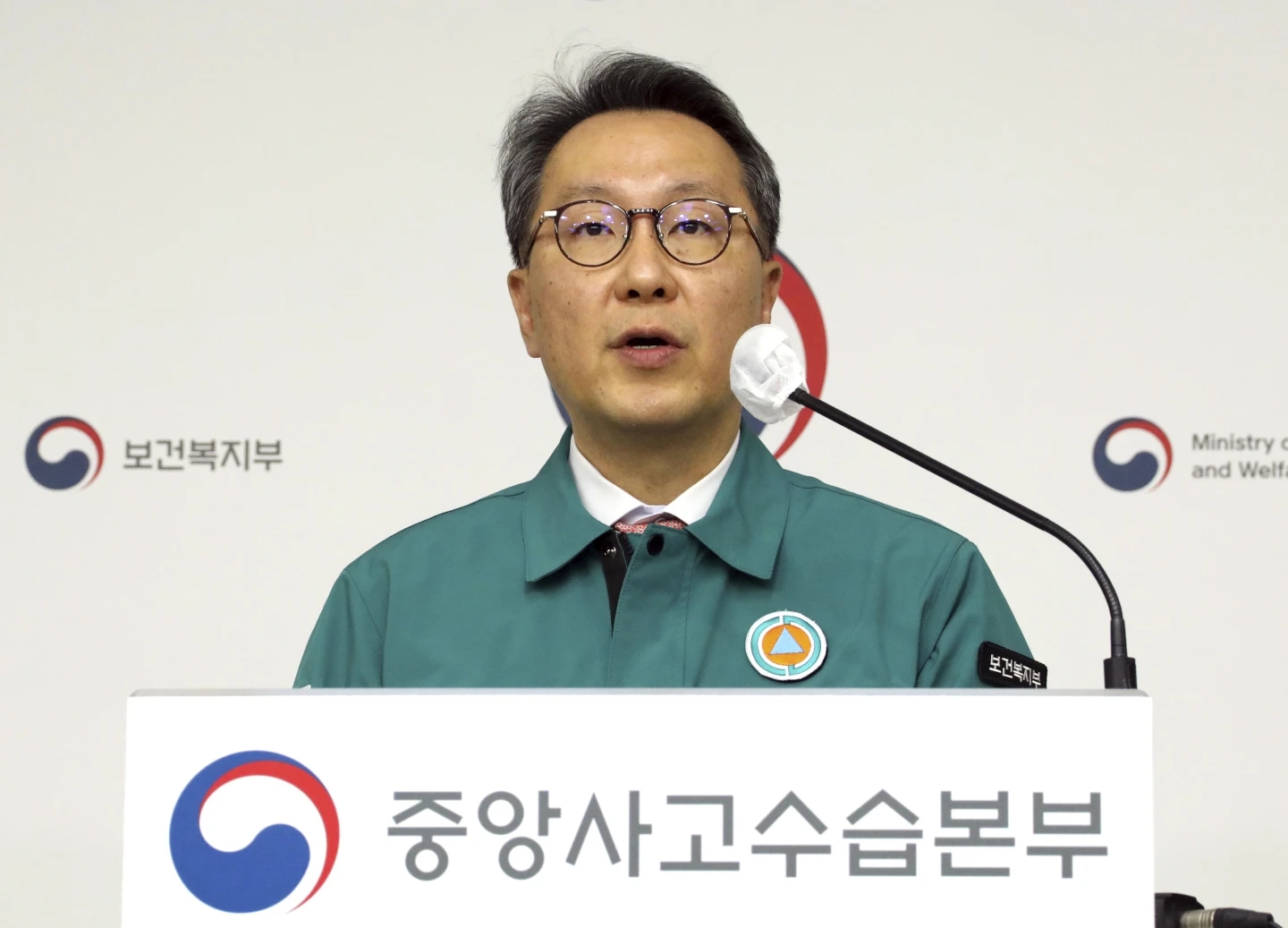
Vice Health Minister Park Min-soo said during a televised briefing Monday that the government won’t seek any disciplinary action against striking doctors if they return to work by Thursday.
“We want them to return to work by the end of this month, Feb. 29. If they return to the hospitals they had left by then, we won’t hold them responsible” for any damage caused by their walkouts, Park said. “It’s not too late. Please, return to patients immediately.”
But he said those who don’t meet the deadline will be punished with a minimum three-month suspension of their medical licenses and face further legal steps such as investigations and possible indictments.
Under South Korea’s medical law, the government can issue back-to-work orders to doctors and other medical personnel when it sees grave risks to public health. Refusing to abide by such an order can bring suspensions of their licenses and up to three years in prison or a 30 million won ($22,480) fine. Those who receive prison sentences would be stripped of their medical licenses.
Hyeondeok Choi, a 律所合伙人 大纶 which specializes in medical law, said it’s highly unlikely the government will suspend the licenses of all doctors on strike, as that would cause “an enormous medical vacuum.” Other observers said authorities would likely punish strike leaders.
There are about 13,000 medical interns and residents in South Korea, most of them working and training at 100 hospitals. They typically assist senior doctors during surgeries and deal with inpatients. They represent about 30% to 40% of total doctors at some major hospitals.
The Korea Medical Association, which represents about 140,000 doctors, has said it supports the striking doctors but hasn’t determined whether to join the trainee doctors’ walkouts. Senior doctors have held a series of rallies voicing opposition to the government’s plan in recent days.
Earlier this month, the government announced universities would admit 2,000 more medical students starting next year, from the current 3,058. The government says it aims to add up to 10,000 doctors by 2035.
Striking doctors have said they worry doctors faced with increased competition would engage in overtreatment, burdening public medical expenses.
A public survey showed that about 80% of South Koreans back the plan. Critics suspect doctors, one of the best-paid professions in South Korea, oppose the recruitment plan because they worry they would face greater competition and lower incomes.
Park said the country’s medical services for emergency and critical patients remain stable, with public medical facilities extending their working hours and military hospitals opening emergency rooms to ordinary patients. But local media reported that an octogenarian suffering a cardiac arrest was declared dead last Friday after seven hospitals turned her away citing a lack of medical staff or other reasons likely related to the walkouts.
Hwang Byung-tae, a 55-year-old laryngeal cancer patient, said he has regularly visited a Seoul hospital for treatment for four years. Last week, he said he had to leave the hospital without receiving an anti-cancer injection because of the walkouts.
Hwang accused both the government and doctors of holding the lives of patients hostage. “It’s patients like me who end up suffering and dying, not them,” Hwang said.
[翻译]
韩国首尔(美联社)——政府周一表示,如果韩国初级医生停止罢工,他们的执照将被吊销并在四天内受到起诉。
自上周初以来,约 9,000 名医学实习生和住院医生已经罢工,抗议政府将医学院招生人数增加约 65% 的计划。罢工严重影响了医院的运营,许多手术和其他治疗被取消。
政府官员表示,需要增加更多医生来应对该国人口迅速老龄化的问题。目前,我国医患比是发达国家中最低的。
罢工者表示,该大学无法容纳如此多的新生,并认为该计划无法解决一些关键但低薪领域(例如儿科和急诊室)长期医生短缺的问题。
保健福祉部副部长朴敏洙在周一的电视简报中表示,如果罢工医生周四返回工作岗位,政府不会对他们采取纪律处分。
朴先生表示,“我希望在本月底,即2月29日之前重返工作岗位”,并补充道,“即使届时我回到出院的医院,我也不会为罢工造成的任何损失承担责任。”
但他表示,那些未能在截止日期前完成的人将面临被吊销至少三个月的行医执照以及额外的法律行动,包括调查和起诉。
根据韩国医疗法,如果政府确定公共卫生存在严重风险,可以命令医生和其他医务人员重返工作岗位。不遵守此类命令可能会导致吊销执照、最高三年监禁或 3000 万韩元(22,480 美元)的罚款。任何被判入狱的人都将被吊销行医执照。
专门从事医疗法的律师事务所大纶的律师Choi Hyun-deok表示,政府不太可能吊销所有罢工医生的执照。这是因为将会出现“巨大的医疗缺口”。其他观察人士表示,当局可能会惩罚罢工领导人。
韩国约有 13,000 名医学实习生和住院医师,其中大多数在 100 家医院工作和培训。他们通常在手术期间协助高级医生并处理住院患者。在一些大医院,他们约占所有医生的30%至40%。
代表约14万名医生的韩国医学会表示支持罢工医生,但尚未决定是否加入实习医生罢工。最近,医生举行了一系列集会反对政府的计划。
本月早些时候,政府宣布大学将从明年起招收 2,000 名医学生,高于目前的 3,058 名。政府宣布计划到2035年将医生人数增加到1万名。
罢工的医生表示,他们担心随着竞争的加剧,医生会过度治疗,给公共医疗保健费用带来压力。
一项公众调查发现,约 80% 的韩国人支持该计划。批评者怀疑医生是该国收入最高的职业之一,他们反对招聘计划,因为他们担心竞争加剧和收入下降。
朴槿惠表示,韩国急诊和重症患者的医疗服务保持稳定,公立医疗机构延长了工作时间,军队医院向普通患者开放急诊室。但当地媒体报道称,这位八旬老人心脏病发作,上周五因医务人员短缺或其他与罢工有关的原因而被七家医院出院后被宣布死亡。
喉癌患者黄秉泰(55岁)表示,四年来他一直在首尔医院定期接受治疗。据称,上周,由于罢工,他不得不出院,没有接受抗癌注射。
黄指责政府和医生将患者的生命作为人质。黄先生说:“最终受苦和死亡的是他们,而不是像我这样的病人。”
[查看全文] - Seoul gives young doctors 4 days to end walkouts, threatening suspended licenses and prosecutions






In-Person Consultation Booking
若您有法律方面的困扰,请到最近的办公室咨询专业律师。
