“Short and concise”... Signs of change within the judiciary
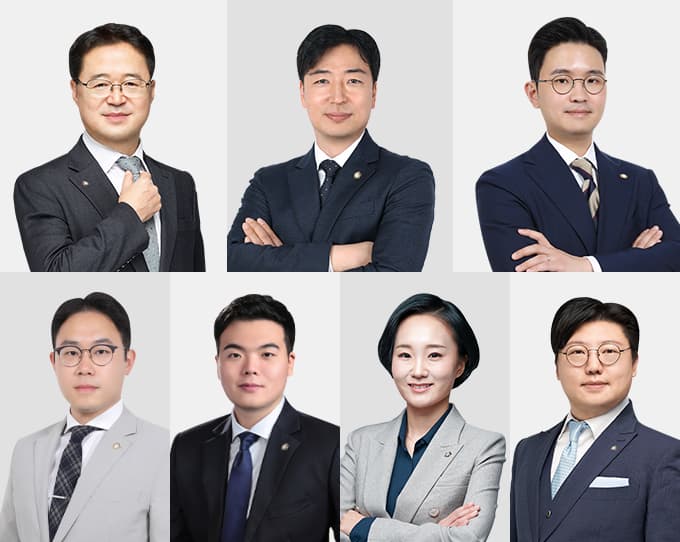
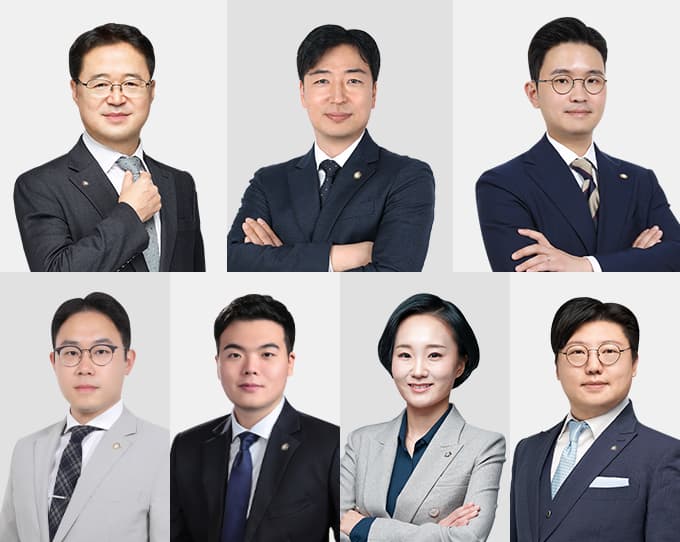
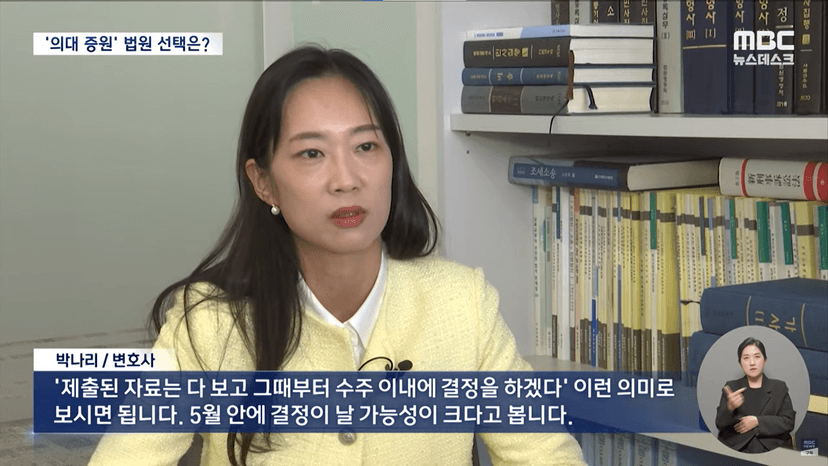
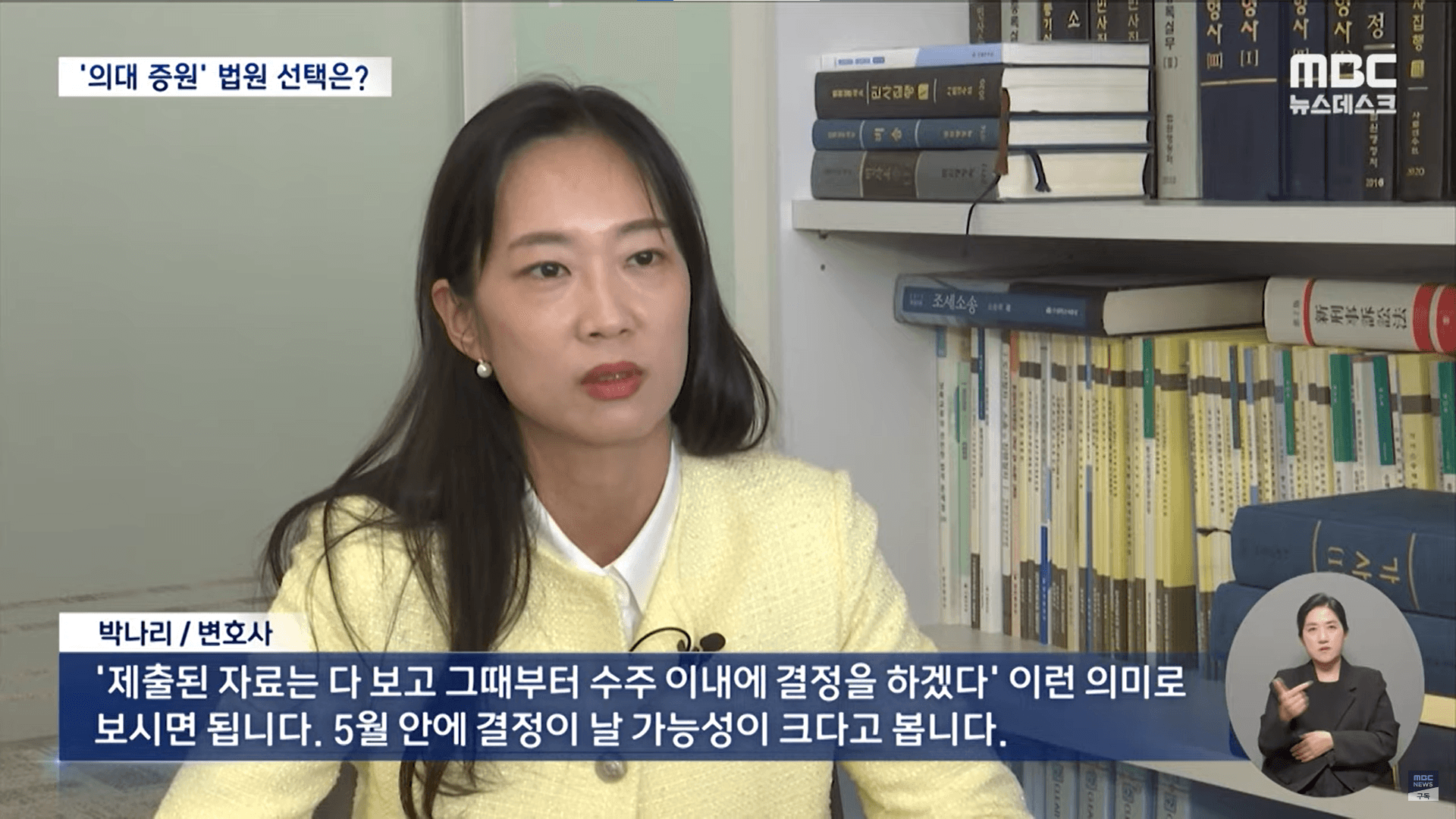
④"No more 'sour rice cake sentences'" Seoul Administrative Court's simple language ruling 'eye-catching' "It will also help improve judicial credibility" "Even if it did not violate the law, I have a request and request from the plaintiff student.", "It would be difficult to tell a very young adolescent student to control his emotions like an adult, right? The judges in this case also had such times, and the same goes for other adults." This January, the Seoul Administrative Court The 11th Administrative Division (Chief Judge Kang Woo-chan) ruled in favor of the plaintiff in a lawsuit to cancel dispositions such as service hours, and unlike general cases, 'the contents of the judgment and instructions summarized in simple language for the juvenile plaintiff' were specified in a boxed form in the judgment. At the time, Chief Judge Kang said, "The person involved in the case is the plaintiff student himself. In order to become a mature adult who can take responsibility for his own life, he must fully know and understand what is happening to him and what the results were, and learn something from it," and did not spare words of advice and encouragement for the plaintiff who will read the verdict beyond the simple sentence. The 11th Administrative Division, led by Chief Judge Kang, was also the first to attempt the 'Easy Read Judgment' for the hearing impaired. According to Asia Today's coverage on the 7th, the search for a court that will take the lead in writing judgments easily, like the '11th Administrative Division', has begun at the court level. The National Court Administration posted a notice on the court's internal Courtnet last month and is recruiting judges to participate in the implementation of appropriate judgments by the 24th. This is good news that has come out since the start of this magazine's 'Let's Write Judgment Easily' project series. In the future, the National Court Administration will △ single cases in civil and domestic affairs and their appellate cases (including civil small claims cases) △ cases with relatively low appeal rates and reversal rates (loans, third party objections/claim objections, sale proceeds, transfer proceeds, distribution objections) △ cases with a large number of cases and relatively stereotyped cases. We are working on optimizing the writing of concise and easy-to-understand judgments only for cases (delivery and demolition of buildings, cancellation of fraudulent acts, compensation for automobile accident damages, and rental deposits). An example of the previously discussed 'adjustment of civil and domestic affairs judgments' is also attached to this notice. △Writing in a modified or enumerated form instead of a complete sentence △Omitting the basic facts and listing only the issue and judgment about it △Replacing basic and acknowledged facts that are not in major dispute with a separate page △Replacing the claims of the parties with a title △If there are many items claimed, organizing them in a table and simply writing them down. Based on this, it seems that even more creative methods will be discussed. An official from the National Court Administration said, "If you write in sentences for completeness, “There are a lot of conjunctions such as ‘but’, ‘however’, and ‘and’, and we plan to optimize them by listing them in the form of a report,” he explained. “Since there are only subjects and predicates, it will be easier to write and readable for readers.” In the legal community, it is pointed out that the optimization of judgments that the court is attempting to do should not only aim to reduce the burden of judges’ work, but should also take into account the aspect of improving judicial access for the general public. Even though there are objective and neutral terms that are familiar to the general public, there is a need to avoid using difficult Chinese terms and establish a comprehensive standard and system for this. Attorney Yujin Moon (representative attorney of a trial law firm), who was a judge, said, "When I was a judge, I said in court that 'the trial has been renewed' while conducting a trial, but explained 'It means that the trial has been reviewed again because the judge has changed.'" Also, in the ruling, he said, “I think it is easier for the general public to use the simpler expression ‘rights were taken away’ rather than ‘rights were taken away’,” he said. “In the end, the court needs to create standards that can change the difficult terms currently being used into familiar and easy-to-understand terms.” Therefore, it is emphasized that outdated legal terms should be revised legislatively and that judges should make an effort to keep sentences as short as possible in their rulings. Na-ri Park, a former judge and chief general counsel at Daeryun Law Firm, said, "It is also called a 'Silutteok sentence', and it would be good to avoid the structure of paragraphs that overlap several sentences (in severe cases, exceeding one page) in the manner of 'If you put point, point, point, point together, it is judged that ~'." Park continued. The lawyer said, "I think the attempt to write a short and easy-to-understand judgment is very positive," and added, "If the court makes an effort to write a judgment that takes the people's position into consideration, I think it will help improve the people's judicial trust in the court." [View full article] - “Short and concise”… Signs of change within the judiciary




![[사반 제보] '3000억원↑ 사기 의혹' 케이삼흥 김현재 회장…임직원도 "행방 모른다"](/_next/image?url=https%3A%2F%2Fd1tgonli21s4df.cloudfront.net%2Fupload%2Fboard%2Fbroadcast%2F20240509121842936.png&w=828&q=75)
![[사반 제보] '3000억원↑ 사기 의혹' 케이삼흥 김현재 회장…임직원도 "행방 모른다"](/_next/image?url=https%3A%2F%2Fd1tgonli21s4df.cloudfront.net%2Fupload%2Fboard%2Fbroadcast%2F20240509121842936.png&w=3840&q=75)