Seoul gives young doctors 4 days to end walkouts, threatening suspended licenses and prosecutions
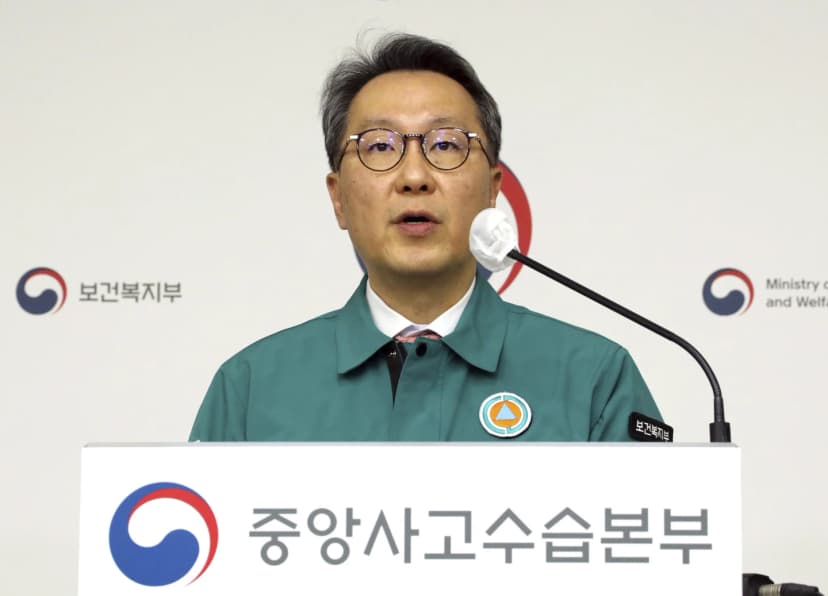
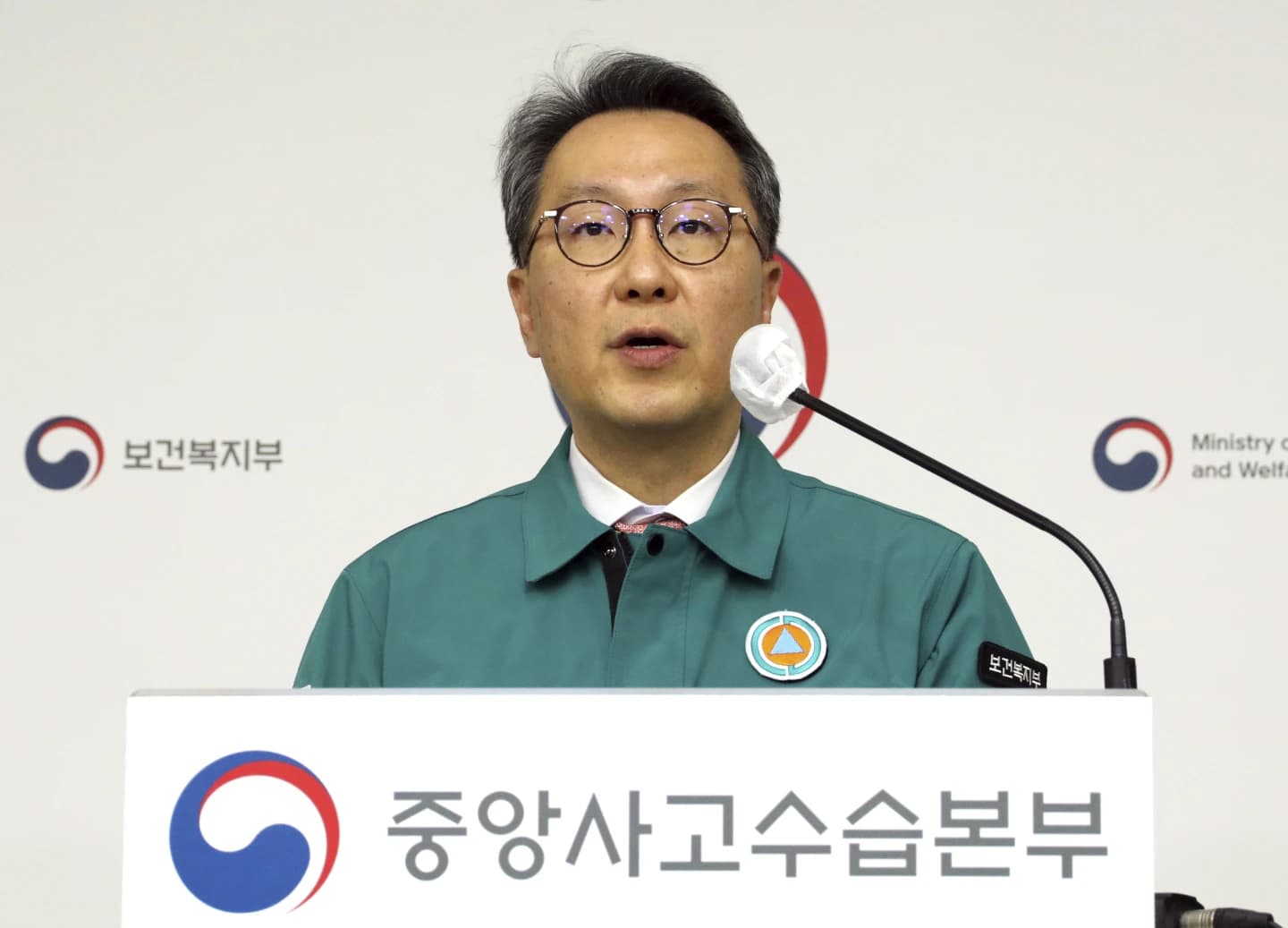
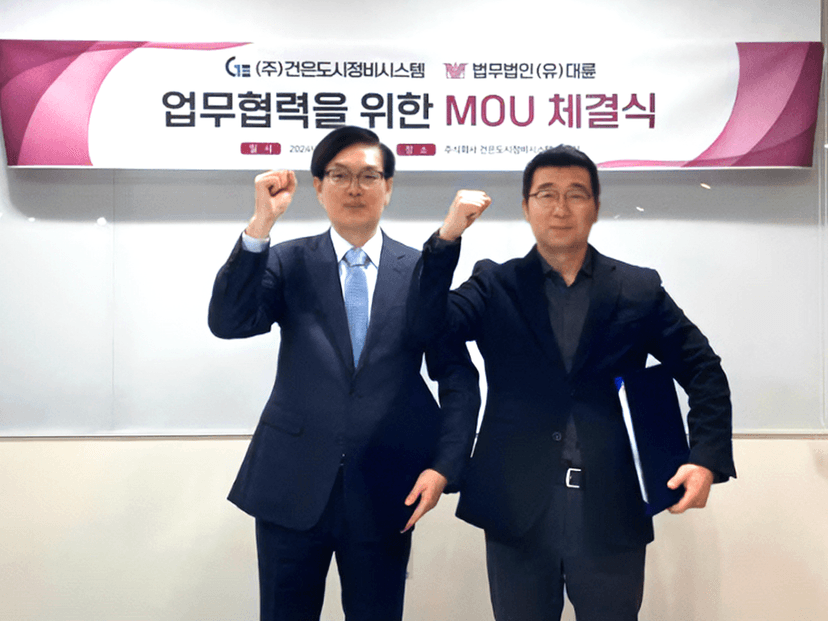
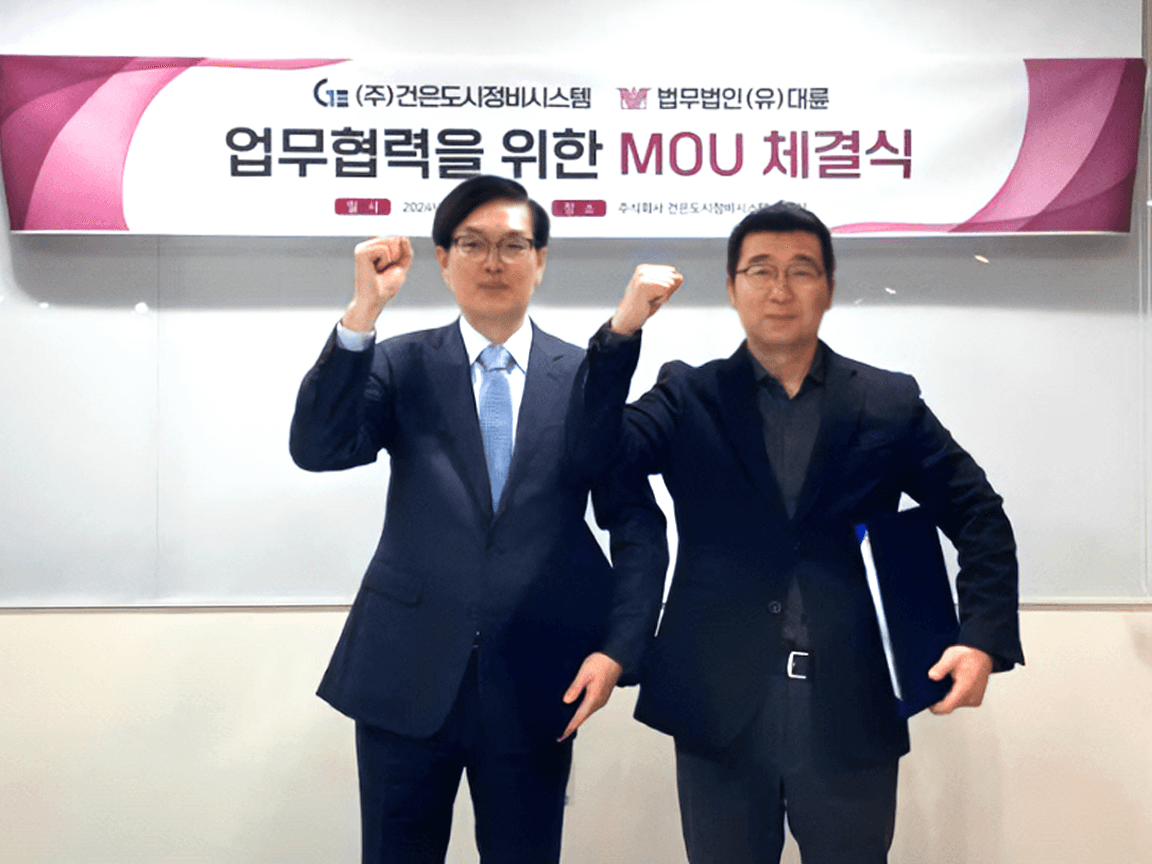
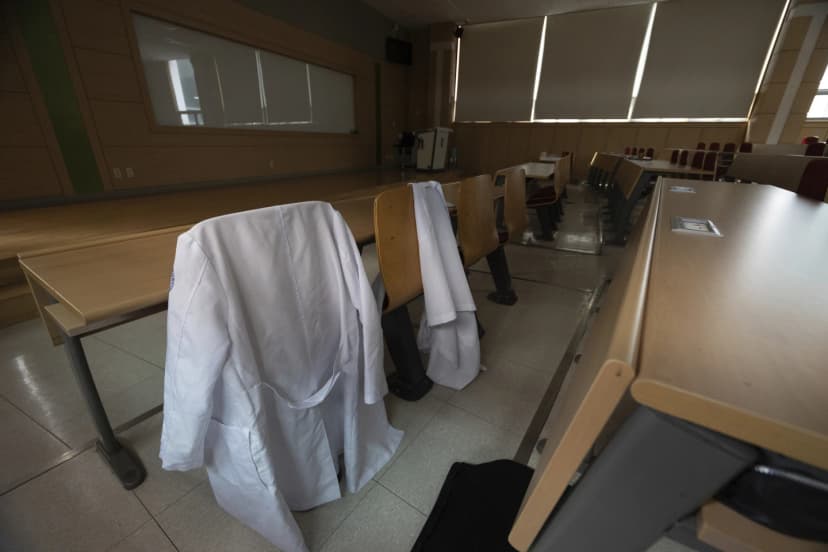
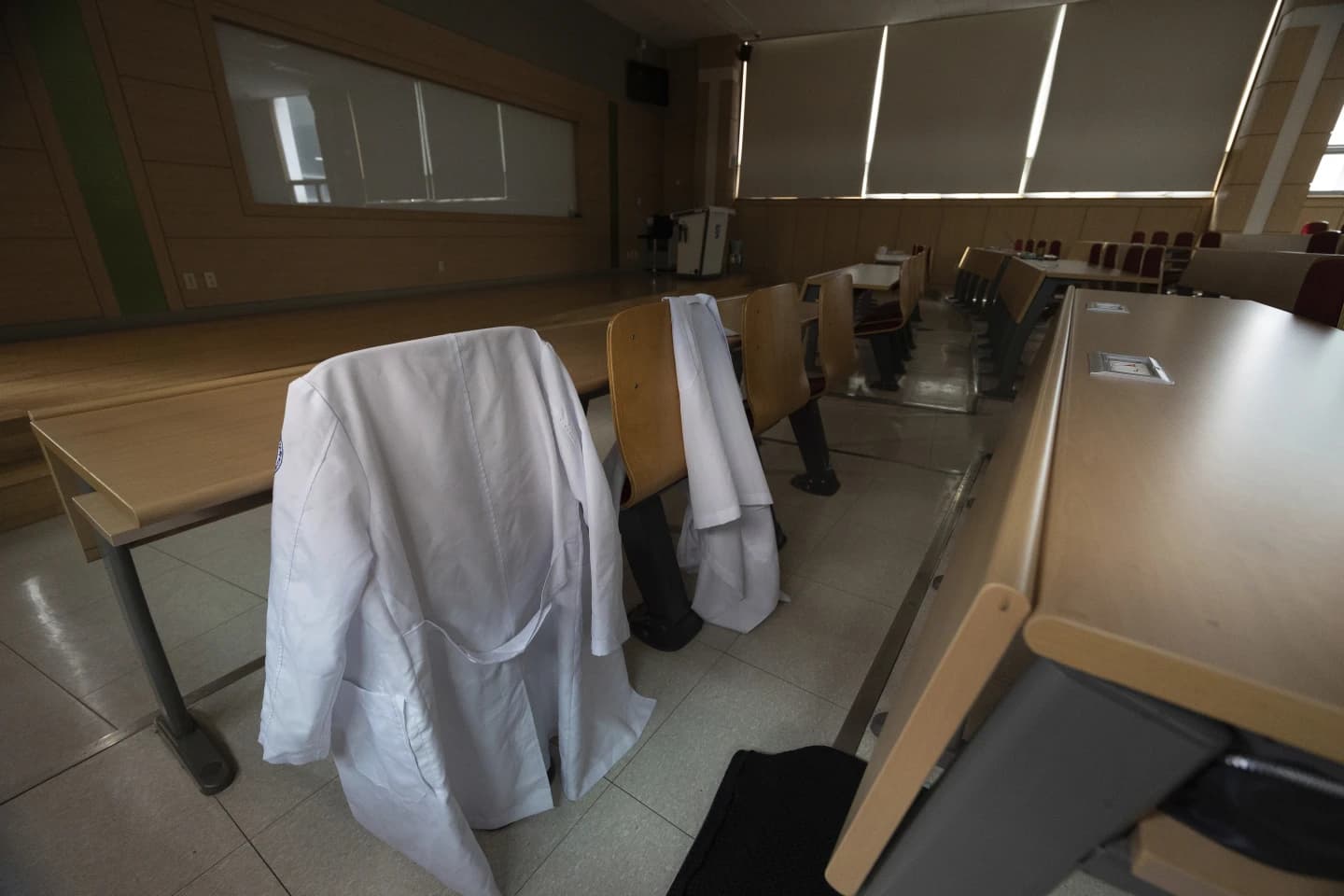
SEOUL, South Korea (AP) — Junior doctors in South Korea have four days to end their walkouts or they will have their medical licenses suspended and face prosecution, the government said Monday. About 9,000 medical interns and residents have stayed off the job since early last week to protest a government plan to increase medical school admissions by about 65%. The walkouts have severely hurt the operations of their hospitals, with numerous cancellations of surgeries and other treatments. Government officials say adding more doctors is necessary to deal with South Korea’s rapidly aging population. The country’s current doctor-to-patient ratio is among the lowest in the developed world. The strikers say universities can’t handle so many new students and argue the plan would not resolve a chronic shortage of doctors in some key but low-paying areas like pediatrics and emergency departments. Vice Health Minister Park Min-soo said during a televised briefing Monday that the government won’t seek any disciplinary action against striking doctors if they return to work by Thursday. “We want them to return to work by the end of this month, Feb. 29. If they return to the hospitals they had left by then, we won’t hold them responsible” for any damage caused by their walkouts, Park said. “It’s not too late. Please, return to patients immediately.” But he said those who don’t meet the deadline will be punished with a minimum three-month suspension of their medical licenses and face further legal steps such as investigations and possible indictments. Under South Korea’s medical law, the government can issue back-to-work orders to doctors and other medical personnel when it sees grave risks to public health. Refusing to abide by such an order can bring suspensions of their licenses and up to three years in prison or a 30 million won ($22,480) fine. Those who receive prison sentences would be stripped of their medical licenses. Hyeondeok Choi, a partner at the law firm Daeryun which specializes in medical law, said it’s highly unlikely the government will suspend the licenses of all doctors on strike, as that would cause “an enormous medical vacuum.” Other observers said authorities would likely punish strike leaders. There are about 13,000 medical interns and residents in South Korea, most of them working and training at 100 hospitals. They typically assist senior doctors during surgeries and deal with inpatients. They represent about 30% to 40% of total doctors at some major hospitals. The Korea Medical Association, which represents about 140,000 doctors, has said it supports the striking doctors but hasn’t determined whether to join the trainee doctors’ walkouts. Senior doctors have held a series of rallies voicing opposition to the government’s plan in recent days. Earlier this month, the government announced universities would admit 2,000 more medical students starting next year, from the current 3,058. The government says it aims to add up to 10,000 doctors by 2035. Striking doctors have said they worry doctors faced with increased competition would engage in overtreatment, burdening public medical expenses. A public survey showed that about 80% of South Koreans back the plan. Critics suspect doctors, one of the best-paid professions in South Korea, oppose the recruitment plan because they worry they would face greater competition and lower incomes. Park said the country’s medical services for emergency and critical patients remain stable, with public medical facilities extending their working hours and military hospitals opening emergency rooms to ordinary patients. But local media reported that an octogenarian suffering a cardiac arrest was declared dead last Friday after seven hospitals turned her away citing a lack of medical staff or other reasons likely related to the walkouts. Hwang Byung-tae, a 55-year-old laryngeal cancer patient, said he has regularly visited a Seoul hospital for treatment for four years. Last week, he said he had to leave the hospital without receiving an anti-cancer injection because of the walkouts. Hwang accused both the government and doctors of holding the lives of patients hostage. “It’s patients like me who end up suffering and dying, not them,” Hwang said. [翻訳] ソウル、韓国(AP) - 韓国のジュニア医師がストライキを終えるには4日以内に医師免許が停止され、起訴されると政府が月曜日に明らかにした。ストライキのため、手術やその他の治療が数多くキャンセルされ、病院の運営に深刻な打撃を与えました。現在、韓国の医師と患者の比率は先進国の中で最も低い水準です。業務に復帰すれば懲戒措置を取らないだろうと話しました。 しかし、彼は期限を守らない人々は少なくとも3ヶ月の医療免許停止処分を受けて調査や起訴などの追加の法的措置を受けることになると述べた。そのような命令に従わないと、免許の停止および最大3年間の懲役または3,000万ウォン($ 22,480)の罰金にさらされる可能性があります。懲役刑を宣告された人は、医師免許が剥奪される。 医療法専門法務法人大輪のチェ・ヒョンドク弁護士は、政府がストライキ中のすべての医師の免許を停止させる可能性はほとんどないと述べた。そうなると「膨大な医療空白」が発生するからだ。他の観測者は、当局がストライキの指導者を罰する可能性があると述べた。彼らは通常、手術中に上級医を助け、入院患者を扱います。彼らはいくつかの主要な病院全体の医師の約30〜40%を占めています。最近、政府の計画に反対する医師たちの集会が相次いで開かれた。今月初め、政府は大学が現在3,058人の医大生を来年から2,000人以上入学させると発表した。政府は、2035年までに医師の数を1万人まで増やす計画だと明らかにした。批評家たちは、韓国で最も報酬の高い職業の一つである医師が競争が激化し、所得が低くなることを懸念して採用計画に反対すると疑っています。しかし、現地メディアは心臓発作に苦しんでいる80代の高齢者が去る金曜日、医療スタッフの不足やストライキに関連する他の理由で7つの病院で彼女を退院させた後、死亡宣告を受けたと報道しました。先週はストライキのために抗がん注射も合わず退院しなければならなかったという。ファン氏は「結局苦しんで死ぬのは私のような患者ではなく彼ら」と話した。 [記事専門のビュー] - Seoul gives young doctors 4 days to end walkouts, threatening suspended licenses and prosecutions




![의대 교수들, 정부 상대로 증원 취소소송 제기… 쟁점은? [‘의료대란’ 비상]](/_next/image?url=https%3A%2F%2Fd1tgonli21s4df.cloudfront.net%2Fupload%2Fboard%2Fbroadcast%2F20240307090105103.jpg&w=828&q=75)
![의대 교수들, 정부 상대로 증원 취소소송 제기… 쟁점은? [‘의료대란’ 비상]](/_next/image?url=https%3A%2F%2Fd1tgonli21s4df.cloudfront.net%2Fupload%2Fboard%2Fbroadcast%2F20240307090105103.jpg&w=3840&q=75)
![[칼럼] 메이플스토리 과징금과 밸런스](/_next/image?url=https%3A%2F%2Fd1tgonli21s4df.cloudfront.net%2Fupload%2Fboard%2Fbroadcast%2F20240304075125375.jpg&w=828&q=75)
![[칼럼] 메이플스토리 과징금과 밸런스](/_next/image?url=https%3A%2F%2Fd1tgonli21s4df.cloudfront.net%2Fupload%2Fboard%2Fbroadcast%2F20240304075125375.jpg&w=3840&q=75)